



Statoil and Eidesvik report battery savings
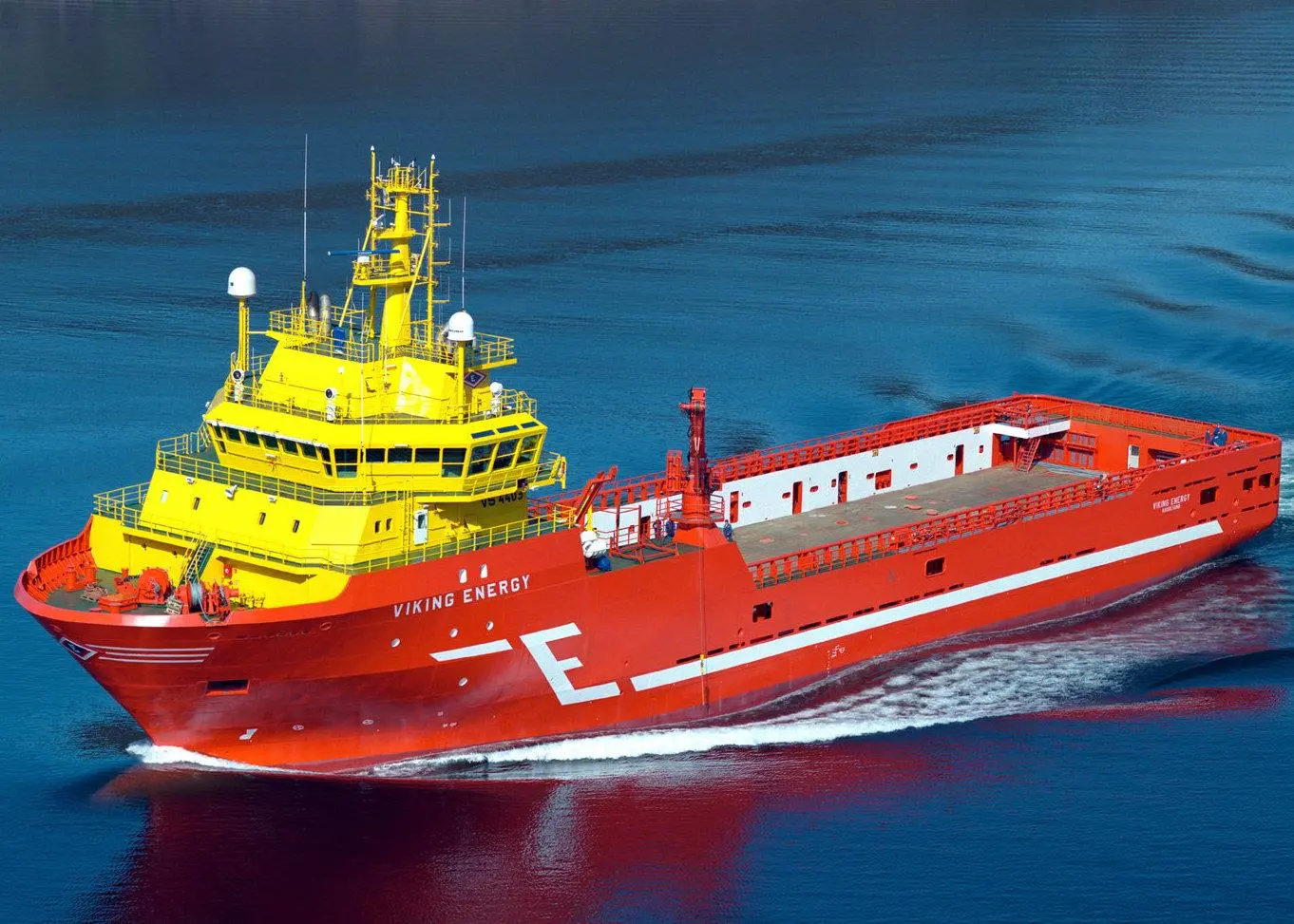
The ship was built as a dual-fuel LNG-powered vessel in 2003 and had one engine replaced with a 653 kWh/1600 kW battery in 2015. According to an article on Statoil’s website, Viking Energy’s fuel consumption has been reduced by 16-17%, with reductions as high as 28% in dynamic positioning mode. The owner reported that operations onboard have also been simplified because of consistent power supplied by the batteries and the reduced demand for generator maintenance.
Frida Eklöf Monstad, manager marine, logistics and emergency response at Statoil, notes in the report: “Battery operation and power from shore have been very effective in reducing emissions, and ships that exploit these opportunities are therefore prioritised when contracts are awarded. We’re also working on improving the efficiency of loading capacity at the ports and adapting the speed of the vessels to reduce fuel consumption and emissions.”
In June 2017, Statoil awarded contracts to seven vessels, all of which are due to install batteries and shore power connections. The company’s supply base in Florø will be the first to set up shore power for ships, while base operator NorSea Group has received grants from Norwegian innovation agency Enova to ensure power supplies at all other bases along the coast.
Statoil’s marine operations department for the Norwegian continental shelf has set a target of reducing CO2 emissions by 32% by 2020. This goal was nearly achieved in 2016, and the company is now developing a more ambitious target.
At a recent press event Rolls-Royce Marine, which is supplying battery systems for six newbuild PSVs ordered by Seacor, predicted that the majority of offshore support vessels will in future be built with battery systems.
Related Articles
 PROPULSION
 GENERAL NEWS
 HYDROGEN