



BW orders first retrofits for LPG fuel
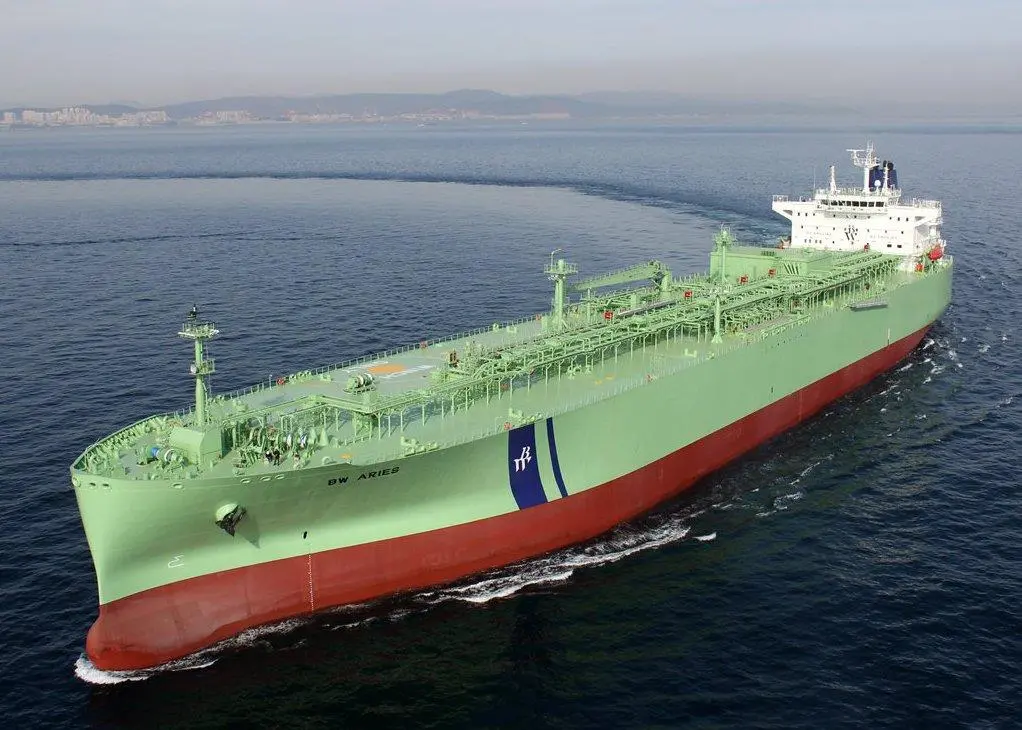
The conversion of the MAN engines is expected to begin at drydockings scheduled in 2020. The company expects the retrofits will reduce sulphur oxide emissions by up to 97%, enabling compliance with the IMO’s 0.5% fuel sulphur cap from 2020 as well as the stricter 0.1% limit already enforced in emission control areas.
“We will be the global pioneer in operating next-generation, high-tech green ships with dual-fuel propulsion,” said Martin Ackermann, CEO, BW LPG. “Responsible operations and profitability are not conflicting goals – rather, they are preconditions for each other.”
As well as reducing emissions of particulate matter (by around 90%), greenhouse gases (around 25%) and nitrogen oxides (around 20%), LPG will also drive output efficiencies of around 11% compared with compliant fuels, BW noted in a statement.
“This means that we capture significant improvements in total voyage fuel economics. Other efficiencies gained with LPG include easy storage, faster refuelling and wide availability of bunkering ships and facilities. All these ensure that LPG is a long-term sustainable marine fuel.”
The company noted that choosing LPG also means that BW will be buffered from price sensitivity to post-2020 fuel price scenarios with full dual fuel flexibility. Even at today’s pricing, LPG is advantageous compared to heavy fuel oil.
As reported, Belgian operator Exmar has ordered the first newly built LPG-burning engines from MAN Energy Solutions, while Dorian LPG (which is the subject of a takeover bid from BW) has signed a memorandum of understanding with Hyundai Global Services to study retrofitting LPG-fuelled engines on its vessels.
BW LPG owns a fleet of 35 very large gas carriers and three large gas carriers as well as operating several chartered and jointly owned vessels.
Related Articles
 ALTERNATIVE FUELS & LUBRICANTS
 FUELS & LUBRICANTS