



EU funding for French and Norwegian hydrogen vessel projects
The French project is intended to support a French push-boat fuelled by gaseous hydrogen operated by French ship operator Compagnie Fluvial de Transport (CFT) on the Rhône.
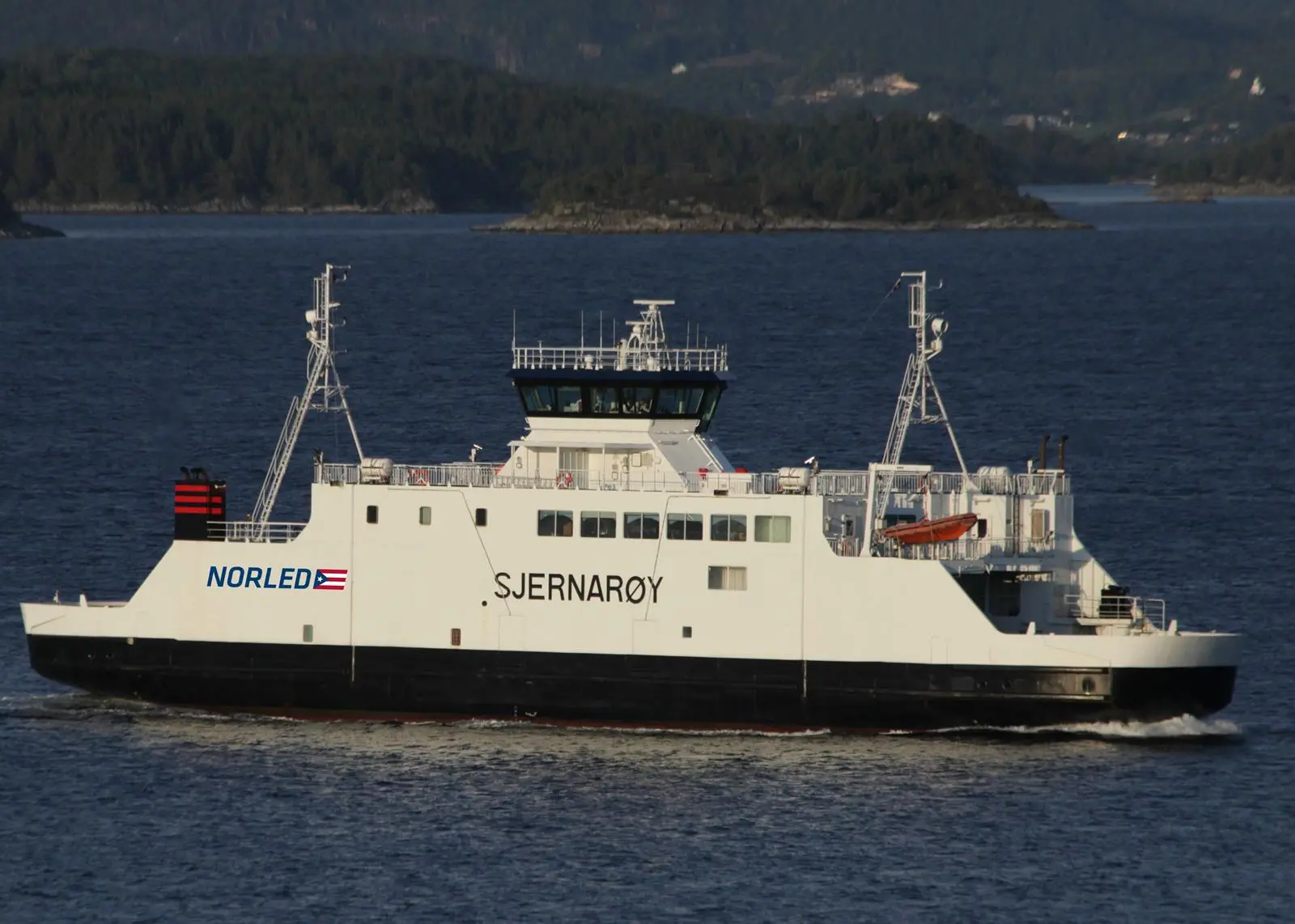
The Norwegian project will support the development of a passenger and car ferry operated by Norled as part of the local public transport network. The ferry will utilize liquid hydrogen.
The funds awarded to the FLAGSHIPS project have been granted from EU’s Research and Innovation programme Horizon 2020 under the Fuel Cells and Hydrogen Joint Undertaking.
“Both the EU and the shipping industry see hydrogen as a key contributor in the work to mitigate climate change. The FLAGSHIPS project sets out to raise the readiness of hydrogen-powered waterborne transport to a new level globally”, says Senior Scientist and Project Manager Antti Pohjoranta from VTT Technical Research Centre of Finland who will be coordinating the project.
A total of 1 MW of on-board fuel cell power will be installed and the aim is that both vessels will run on hydrogen produced on-site with electrolyzers powered by renewable electricity. This will not only enable truly zero-emission operation of the ships, but also create a solid basis for further local zero-emission transport deployment both at sea as well as on land.
This innovation project will look at the possibility to replace biodiesel with hydrogen on one of the ferries to be built for the Finnøy-route north east of Stavanger. The route serves several islands with short and several stops, which makes it difficult to realize the effective shore charging required for battery-powered vessels. Norled’s intention is to apply the hydrogen technology being developed by the company in several other ongoing hydrogen-related projects, such as building the world’s first ship powered by liquid hydrogen for the Hjelmeland connection in Western Norway.
In addition to the project funding, significant additional investment to build the ships is made by the ship owners CFT and Norled as well as the consortium partners.
An important part of the project will also be the building of European support networks covering hydrogen fuel supply chains, vessel design and manufacturing competence networks as well as significantly broad-based regulatory expertise.
“FLAGSHIPS is a key project to demonstrate the superior features of hydrogen fuel cells in the maritime sector: Lower CO2 and pollutant emissions and reduced noise amongst the most critical. The project will cooperate with relevant organisations such as CESNI, IMO and certification bodies to speed up the introduction of hydrogen for the maritime sector both for inland and coastal operations and for freight and passenger transportation”, says Bart Biebuyck, Executive Director of the FCH2 JU.
Leading industrial partners
The FLAGSHIPS project brings together a group of leading industrial partners, including ship owners, fuel cell technology suppliers, experience in electrical power system design, integration and manufacturing, ship design competence and energy management excellence.
“We are glad that the European Commission is supporting this development and we hope that French and local authorities will follow to support and assist the implementation of this Hydrogen powered pusher in their environment”, says Director of CFT inland transportation, Matthieu Blanc.
The consortium includes nine European partners, with two ship owners Norled and CFT, the maritime OEM ABB, and design company LMG Marin . The fuel cell technology is provided by Ballard Europe and vessel energy monitoring and management by PersEE.
Related Articles
 ALTERNATIVE FUELS & LUBRICANTS
 ALTERNATIVE FUELS & LUBRICANTS
 ALTERNATIVE FUELS & LUBRICANTS