



A second wind for air lubrication systems
MSC plans to make six of its new 23,700 TEU vessels air lubrication ready including the latest vessel delivered, the MSC Gülsün. Six of the 11 mega-container ships on order will be built at shipbuilder Samsung Heavy Industries (SHI).
The sixth of these deliveries will be fitted with SHI’s SAVER Air air lubrication system while the remaining five have been made ready to fit the system should the savings on the vessel prove successful.
In a statement to The Motorship, MSC confirmed that the company was considering fitting the SHI’s SAVER Air system to its new 23,700TEU vessels. “MSC continues to experiment with air lubrification systems and other systems to make container shipping even more energy efficient. Some of the Gülsün Class of 11 ships will be fitted with these.”
MSC Gülsün was delivered to the owner on 19 August and boasts a number environmentally friendly technologies that will improve the vessel’s performance compared to ships of a similar type. The vessel’s MAN B&W 11G95ME-C9.5 engine has been supplied on a dual-fuel ready basis, while the engine can already use low sulphur fuel and is fitted with an exhaust gas cleaning system.
The vessel’s engines have been optimised for a top speed of 21 knots, compared to 25 knots for previous container ships, which will reduce its fuel consumption. According to MSC the vessel emits 7.59g of carbon dioxide/tonne mile and is also capable of cold ironing in port to reduce harmful emissions in and around the port area.
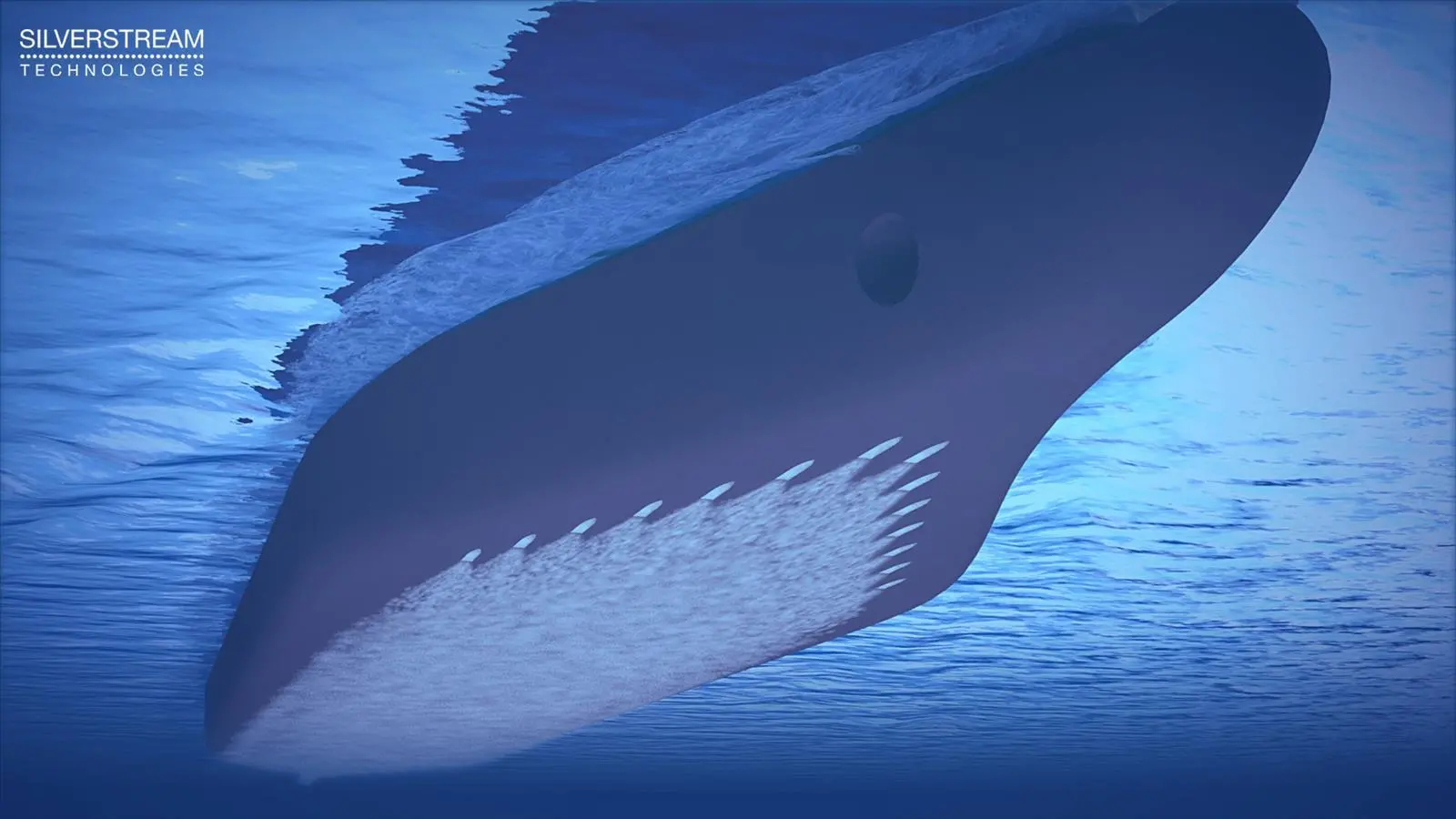
The SAVER Air lubrication system is a Bubble Drag Reduction (BDR) system, using pumps to blow air through the bottom of the vessel’s hull to create an air cushion on which the ship rides reducing drag substantially, by up to 10%, and ultimately reducing the fuel used to move the vessel over a given distance at a measured speed.
A renewed interest in efficiency
MSC, Italian-based ro-ro operator Grimaldi and Celsius Tankers are all reported to be fitting newbuildings with air lubrication systems. The systems were either designed by SHI or Silverstream, with a view to improving vessel efficiency further.
The Silverstream system is also a BDR system. It uses patented air release units in the hull to produce a rigid carpet of air to reduce the frictional resistance between the hull of a vessel and the water. The Silverstream system also reduce fuel consumption by 5-10%, depending on vessel characteristics.
Shipping is having to adjust to a new normal with the introduction of targets to reduce greenhouse gas (GHG) emissions and the increase in costs, particularly fuel prices, vessel efficiency has floated to the top of the priority list.
The Motorship notes that the approval of the proposed amendment to MARPOL Annex VI Regulation 21 at the 74th session in May 2019 of IMO MEPC has brought forward the implementation of EEDI Phase 3 to 2022 (from 2025) for several ship types including container ships and cruise ships.
Air lubrication manufacturers note renewed interest from customers in what has been a semi-mature technology for some years.
Up to the end of 2018 some 23 ships had been fitted with air lubrication systems eight of these were passenger ships, either ferries or cruise liners, the rest were evenly spread between vessels like bulk carriers, container ships and tankers.
Since then, five major cruise vessels had been fitted with air lubrication systems, two from Mitsubishi Heavy Industries, two designed by Silverstream and a fifth from Foreship.
Installation considerations
Air lubrication systems generally consist of piping, pneumatic and control systems, and air dispensers. Equipment, piping and ventilation may need to be rearranged for the installation of air lubrication system.
Structural modifications associated with air lubrication systems usually involve installing air dispensers on the hull. Local stress concentrations may require reassessment due to the additional openings on the vessel hull.
Retrofitting air lubrication systems is fraught with hull design problems, according to Japanese researchers and designers, not least because the original hull is not designed to regulate the airflow away from the vessel’s propellers and this could cause a loss of power and vibration and other noise problems as a result.
Related Articles
 ENERGY SAVING DEVICES
 ENERGY SAVING DEVICES
 AMMONIA