



DNA-based fuel tracing passes first test
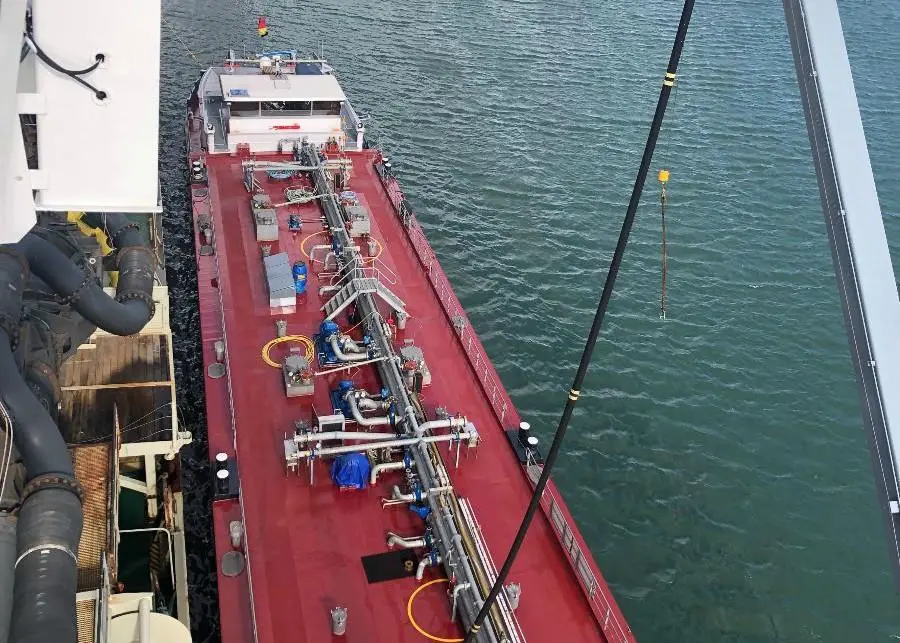
The Boskalis-owned dredger, Prins der Nederlanden was bunkered with 900 cubic metres of Minerva-supplied fuel with a unique tracer added. The crew successfully detected this mark at two parts per billion in less than a minute, with the result logged in a blockchain-based transaction record.
Marc Johnson, chief executive of BunkerTrace, said that operators and insurers were understandably worried about the quality of fuel as blending becomes more common to meet regulations. “This successful trial of BunkerTrace has demonstrated that it’s an easy, reliable means of introducing a level of transparency and traceability into the marine fuel supply chain that we’ve never had before,” he said.
When fuel reaches a vessel, the crew tests for the presence of the necessary BunkerTrace markers and, if they are absent, makes a decision about whether to proceed. This allows owners, suppliers, ports and insurers to track fuels and manage the risk of non-compliant, or even potentially dangerous fuels, from being used on international ships. It also allows crew to test fuel before it is bunkered, rather than relying solely on lab-based testing and helps determine which fuel supply chains are the most reliable.
The trial used a tracer added to the fuel via a dosing pump on the fuel line as it was loaded on to a Minerva bunker barge. Bureau Veritas verified that the fuel line and receiving cargo tanks were empty before the test began.
Related Articles
 ENERGY SAVING DEVICES
 LNG
LNG
 ALTERNATIVE FUELS & LUBRICANTS