



Hurtigruten tests biodiesel on cruise ship
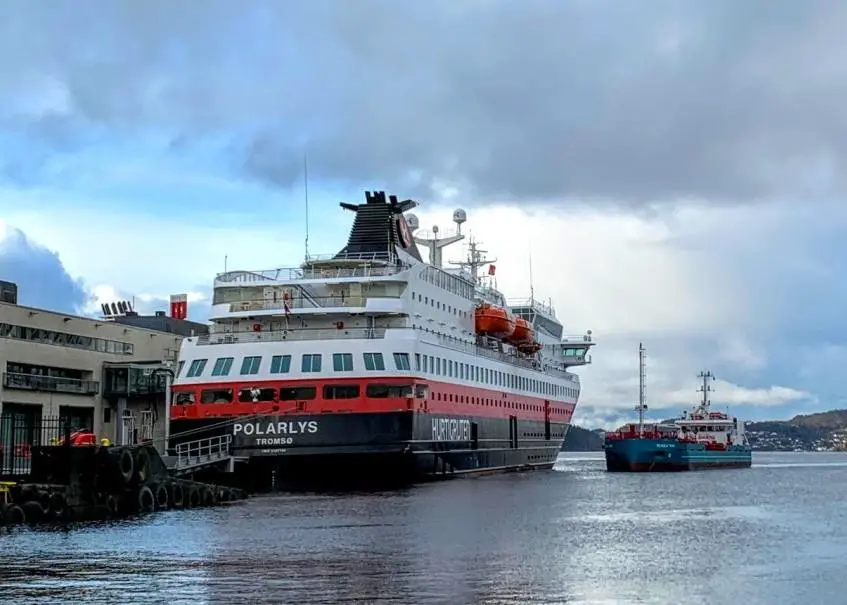
The shipping industry uses more than 330 Mt of fuel each year and is responsible for 2 – 3% of all global CO2 emissions. Biodiesel can be made from different sources, for example waste cooking oil, corn, soya, wheat, tallow or palm.
“Biodiesel can in the long run potentially give a CO2 reduction of as much as 95 per cent compared to traditional marine fuels,” explained Hurtigruten’s chief executive, Daniel Skjeldam. “Hurtigruten is testing certified biodiesel that is free of palm oil. The industry needs to start making more sustainable choices and Hurtigruten wants to lead the way,” he added.
He continued, “We are just at the beginning when it comes to using biodiesel in the shipping industry. We want to move the boundaries and learn more about how this can be used in a bigger scale. This can potentially transform the industry.”
Shipping is increasing in the Arctic and bringing increased emissions with it. Despite still being permitted, Hurtigruten stopped used polluting fuels such as heavy fuel oil a decade ago and is working for a global ban.
“Hurtigruten wants an international ban of use of cheap, polluting heavy fuel oil the whole Arctic area and along the Norwegian Coast,” said Mr Skjeldam. “It makes no sense to create more pollution and increase the risk of spills and destruction in areas that need to be protected.”
Related Articles
 ALTERNATIVE FUELS & LUBRICANTS
 ALTERNATIVE FUELS & LUBRICANTS
 ALTERNATIVE FUELS & LUBRICANTS