



DNV GL to boost LPG as fuel with notation
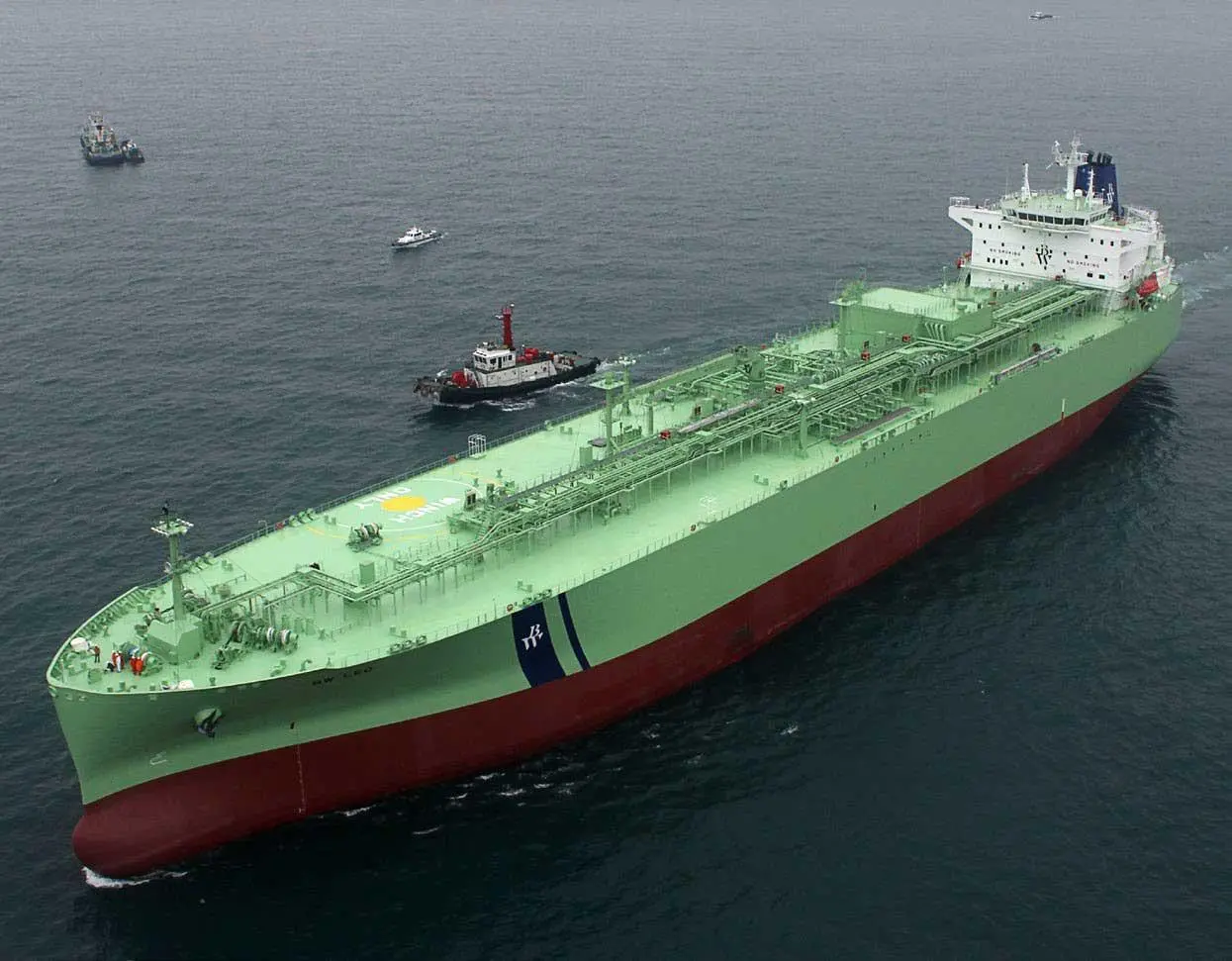
An alternative approach might be to introduce a ‘gas-ready’ notation, Mr Orbeck-Nilssen mused.
This was being driven by the increasingly diverse fuel environment, and uncertainty about the optimal next fuel, whether that was ammonia, methanol, hydrogen or another alternative.
“The clearer the rules are, the easier it will be for the industry to introduce [such fuels] in a safe manner,” Mr Orbeck-Nilssen noted.
LPG notation and rules
All low-flashpoint fuels and gases are currently subject to the ‘alternative design approach’, which means that that their safety, reliability and dependability can be shown to be equivalent to those achieved by new and comparable conventionally fuelled main and auxiliary machinery.
The notation offers a straightforward path towards compliance with the ‘alternative design approach’ mandated by the IGF Code.
The ‘Gas fuelled LPG’ notation covers internal combustion engines, boilers and gas turbines for both gas-only and dual-fuel operations. It also covers requirements for the ship’s fuel supply, considering all aspects of the installation from the bunkering connection up to and including the LPG consumers (main and auxiliary engines, boilers etc).
The notation and rules are based on DNV GL’s rules for ships using LNG as fuel but reflect the differences in properties and phases between the two fuels. LPG is denser than air, unlike LNG, which requires a different approach to leak detection and ventilation. LPG also has a lower flammability range, with a lower explosion limit of 2%. On the other hand, LPG has a higher boiling point and, unlike LNG, does not need to be stored at cryogenic temperatures.
LPG as a path to low carbon future
The class society had identified LPG as one of two possible fuels for the industry to adopt before the introduction of the next low carbon fuel or fuels, as it met minimum thresholds in terms of availability and economic viability.
LPG could also act as a ‘bridging fuel’ as many of the materials used in LPG tanks and systems would also be suitable for use with ammonia.
DNV GL had noted that the widespread availability of LPG as a feedstock for other industries and supportive economics meant it would be a suitable energy source for tramp operators for whom LNG availability may always represent a barrier to adoption. By contrast, ships with scheduled services, such as cruise vessels, container ships and very large crude carriers, were well suited to adopting LNG as a fuel.
The greenhouse gas reduction potential of the two fuels were broadly comparable, with LPG offering reduction of 15-17%, while LNG’s efficiencies ranged between 10-25%, depending on whether vessels used low-pressure or high-pressure engine designs.
Related Articles
 ALTERNATIVE FUELS & LUBRICANTS
 ALTERNATIVE FUELS & LUBRICANTS
 ALTERNATIVE FUELS & LUBRICANTS