



NORWAY PLANS HYDROGEN NETWORK FOR SHIPS
The aim of the project is the creation of a full-scale and reliable national hydrogen infrastructure to support the strategy of decarbonising Norwegian maritime transport. The participants in the initiative are looking towards making liquid hydrogen available for commercial shipping within the first quarter of 2024.
The consortium is led by Bergen-based power generator BKK, state-owned energy corporation Equinor (the former Statoil), and industrial gas supplier Air Liquide. Other partners are Norwegian ferry operator Norled, Viking Ocean Cruises, the Wilhelmsen Group, offshore supply base specialist NorSea, Norwegian Research Centre NORCE, and industrial cluster NCE Maritime Cleantech.
The project encompasses the entire value chain, from production and storage to transportation to end-users.
Liquefied hydrogen is considered one of the optimal zero-emission fuels for vessels with high energy demand, and has already been selected for Norway’s first hydrogen-powered car ferry, due to enter service with Norled in the Stavanger area during 2021. The consortium’s goal is to kick-start the local market by delivering liquid hydrogen produced through electrolysis.
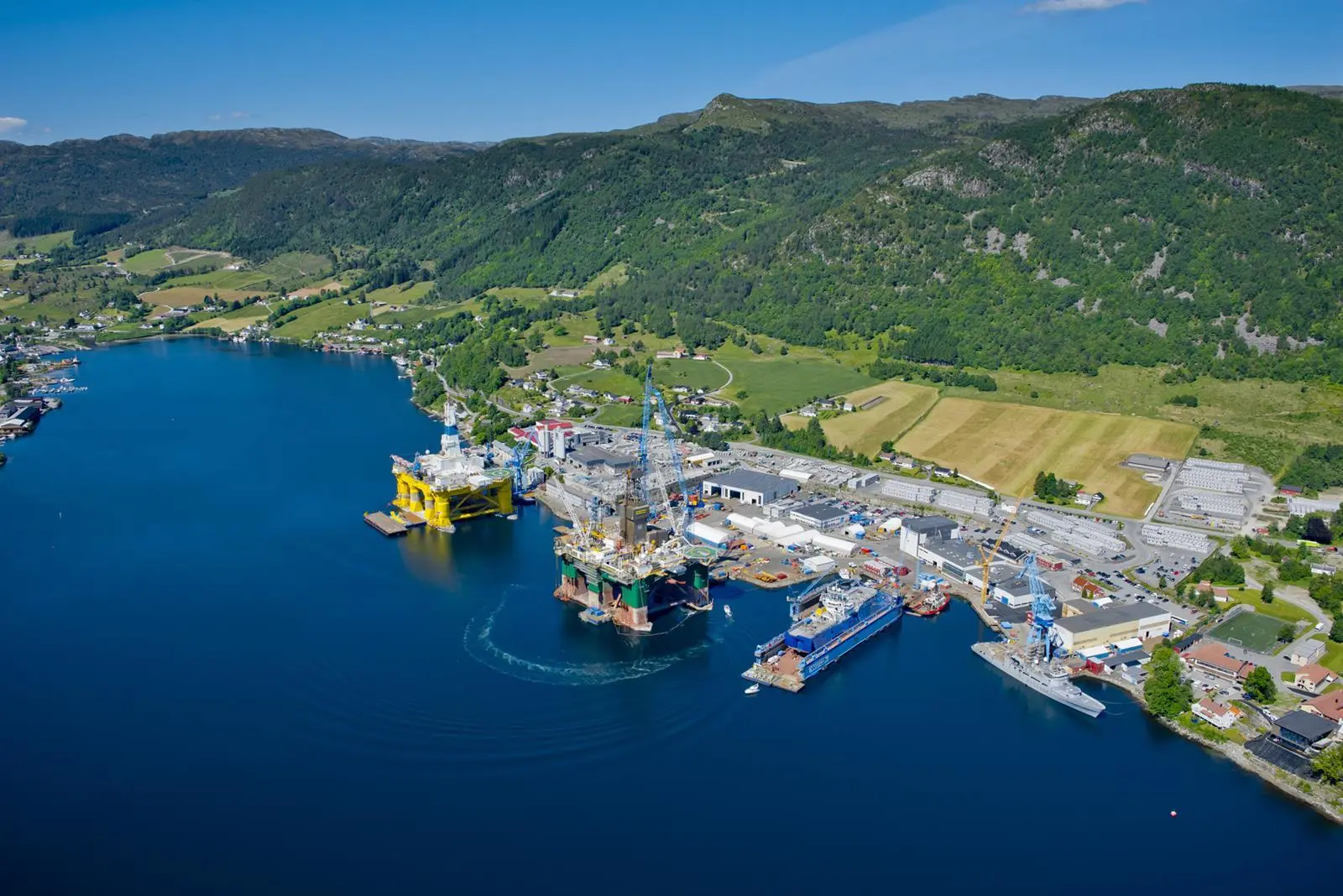
Wilhelmsen and NorSea have the remit of developing a new and flexible, liquid hydrogen distribution concept, including zero-emission ships for transporting the fuel plus terminals for storage and bunkering at NorSea supply bases. Wilhelmsen and Viking Ocean Cruises, like Norled, also intend to become hydrogen fuel users. It is envisaged that the planned hydrogen terminals will additionally serve other forms of transport, including buses.
BKK’s chief executive officer Jannicke Hilland said “This is a very important day for the industry and for the maritime sector. Currently, there are ongoing hydrogen projects within the fields of cruise ships, offshore vessels, ferries and fast ferries in Norway, but in order to accelerate shipping’s transition to zero-emission solutions we need to establish a supply chain for ‘green’ hydrogen. This project therefore gives great potential for both industrial development and significant emission reductions.”
Financial sponsorship is being provided under the PILOT-E scheme, which is overseen by the Norwegian Research Council, Innovation Norway and Enova SF, an agency of the Norwegian Ministry of Climate and Environment.
The objective of PILOT-E is to promote fast-track development and deployment of energy technology products and services to stimulate and assist the maritime sector’s shift towards zero emissions. It is designed to support participants throughout the developmental pathway, from concept to market introduction.
Norled’s pioneering ferry will be installed with an energy system based on two 200kW Ballard fuel cell modules, and will store three tonnes of liquid hydrogen. Arranged out for 80 cars and 299 passengers, the double-ender will be deployed between Hjelmeland, Nesvik and Skipavik, forming a connection on the country’s western Highway 13.
Construction has been awarded to Norwegian contractor Westcon, using an 82-metre design from LMG Marin. Due to make her debut in the opening quarter of next year, the ferry will bunker liquid hydrogen every three weeks from road tankers.
LMG Marin, Norled, Westcon and Ballard Europe are among nine European partners involved in the EU-funded FLAGSHIPS research and innovation project aimed at realising hydrogen-fuelled vessels.
Besides the newbuild at the Westcon yard in Norway, one of two double-enders ordered by Norled at Turkish shipbuilder Ada Shipyard, and initially designed for biodiesel operation, will also be adapted to run on hydrogen. Both vessels will have capacity for 199 passengers and 60 cars, and have been assigned to the Finnoysambandet route north of Stavanger on scheduled delivery from 2022 onwards.
Related Articles
 ALTERNATIVE FUELS & LUBRICANTS
 ALTERNATIVE FUELS & LUBRICANTS
 ALTERNATIVE FUELS & LUBRICANTS