



Danish research project targets main engine efficiency gains
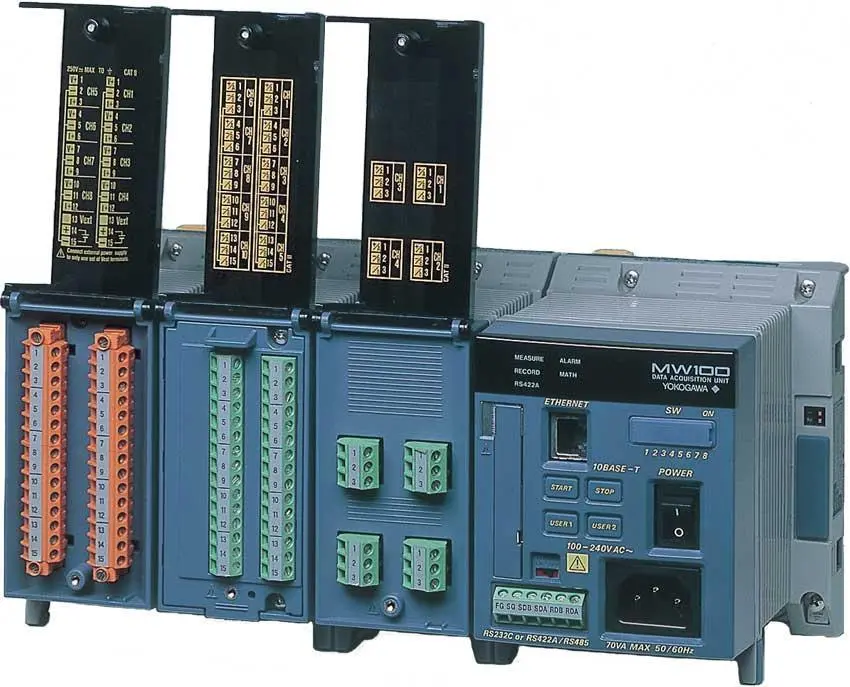
The project, which involves the development of a physical and data driven engine model, is part of a collaboration with Danish technology incubator Shipping Lab and includes the University of Southern Denmark, technology developer Logimatic and ship operators TORM, J. Lauritzen and Maersk Tankers among its members.
The project plans to develop and validate alternative models (reference vs. statistical vs. machine learning vs thermodynamic models etc.) of MAN ES’s main engines alongside auxiliary engines to permit a more accurate set of models of the engine’s operational performance.
It builds on a previous EU funded collaborative project (ECOPRODIGI.EU) between Aalborg University / University of Southern Denmark and J. Lauritzen, which resulted in the development of two set of models of the operation of MAN auxiliary engines. The first project was focused on optimising the operation of auxiliary engines aboard J. Lauritzen’s gas carrier fleet, examining among others, high frequency logged data on exhaust temperatures from cylinders to identify deviations from standard operating conditions.
The project delivered a number of physical, mathematical and statistical models called the ‘Vessel Performance Analysis engine’ (VPAe) which converted input data into a robust overview of the energy efficiency of the ships. The data was normalised for factors such as wind, weather and the operational profile (for example, cargo, draft and trim) of the vessels. The VPAe also provided recommendations on how to optimise fuel consumption, which resulted in fuel savings of 4-7% over the course of the project. The model entered service on selected gas carriers in Q3 2019.
The new project is seeking to extend the model from auxiliary engines to include the main engines, capturing sensor data from its newest engine control system. The scope of the project has also been widened to do modelling based on performance benchmarking, a larger set of sensor, maintenance and inspection data to detect high wear and predict failures. While the first data project relied on some lower frequency data supplied during the noon report, for instance, the new project is processing high-frequency, two-minute interval logging from 800 sensors on engine equipment as well as bridge system data. Data sources include power meters, flowmeters and torsion meters, as well as parameters such as position (GPS), speed, wind direction, and under keel clearance.
The collection of the base data for the engine models began in 2018 from the engines of four tankers and will include both newer and vessels of older age. By using high frequency sensor data, the project will examine the performance of a number of engine components, including piston rings, cylinder liners, exhaust valves, fuel valves and nozzles.
The data is being combined with other data sources, such as engine performance tests, fuel and lube oil data, as well as geographical data to derive a holistic perspective on the operational factors affecting the engine.
“We are collating operational, inspection and maintenance data from ship owner records, and we will then look to apply machine learning to the sensor data,” Niels Rytter of the University of Southern Denmark told The Motorship.
The project is applying the data to one or more categories of models with the aim of allowing diagnostics of increased risks of anomalies or other failures before they occur.
The project is intended to develop a fault detection and prediction function, that will help to prevent engine failures via predictive maintenance, improving availability and lowering maintenance costs for ship owners and operators.
The project also includes a work stream dedicated to the development of a commercial case, developing an improved “engine availability as a service” value proposition. This includes the evaluation of potential gain sharing contracts between equipment suppliers, vessel operators and owners.
Three potential areas of focus include the reduction of a vessel’s annual maintenance and repair costs by 10%, the reduction of downtime, and fuel consumption reductions of 1-3% through efficiency improvements.
The research project forms part of ShippingLab’s Digital Ship Operations work project, which also includes the development of vessel performance and ship manoeuvring digital models. The project is being partially funded by the Lauritzen Foundation and Orient’s Fund, as well as the Danish Maritime Fund and Innovation Fund Denmark.
Related Articles
 ENERGY SAVING DEVICES
 LNG
LNG
 ALTERNATIVE FUELS & LUBRICANTS