



ExxonMobil: rise of alternative fuels to alter lubrication landscape
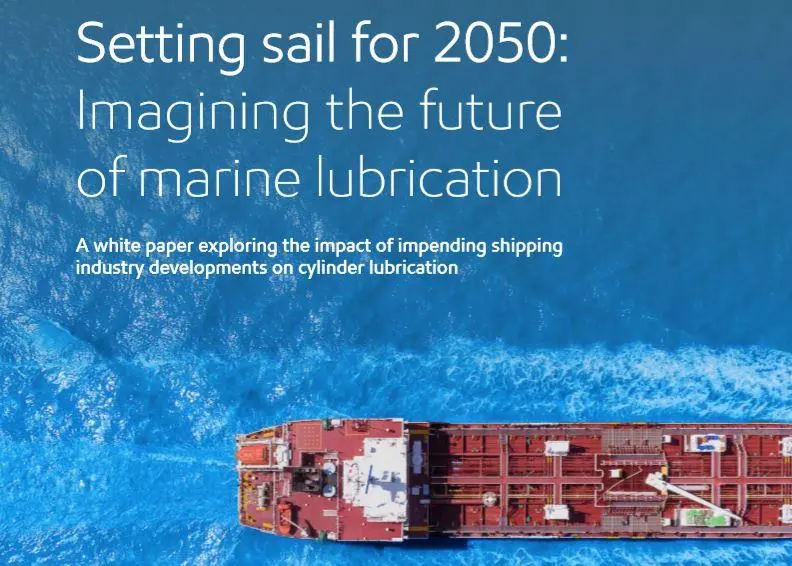
Efficient cylinder lubrication is a prerequisite for ensuring that the transition from HSFO to lower emission fuels goes smoothly. Lubricant manufacturers face the challenge of formulating solutions for fuels that are not yet commercially available.
Steve Walker, Global Marine Equipment Builder Manager, ExxonMobil, notes that future engine needs will mandate a higher level of performance for cylinder lubrication.
“Cylinder lubricants of the future can, therefore, be expected to offer improved high-temperature viscosity, greater thermal stability and better detergency. Product lifecycles are also likely to shorten significantly, favouring suppliers who can invest heavily in R&D to keep pace with engine builders’ performance requirements,” the company said in a white paper.
In addition, the decarbonisation of the shipping industry is likely to be driven by a multiple of fuel choices and not a single fuel of the future. This is likely to result in increased demands for fuel flexibility, as ship owners are likely to require lubricants that are compatible with multiple fuel types.
“We can expect shorter product lifespans and a growing need for formulations to be flexible – both to changing fuel specifications and quality. Critically, cylinder oils of the future will need to control deposit levels more than ever before,” the white paper reads.
This will compress lubricant product development cycles, and require lubricant manufacturers, engine designers and equipment manufacturers as well as ship owners to work together more closely to meet the industry’s requirements.
The white paper, Setting sail for 2050: Imagining the future of marine lubrication, can be downloaded here.
Related Articles
 ALTERNATIVE FUELS & LUBRICANTS
 FUELS & LUBRICANTS