



HySHIPS project eyes 20MW Capesize bulk carrier fuel cell study
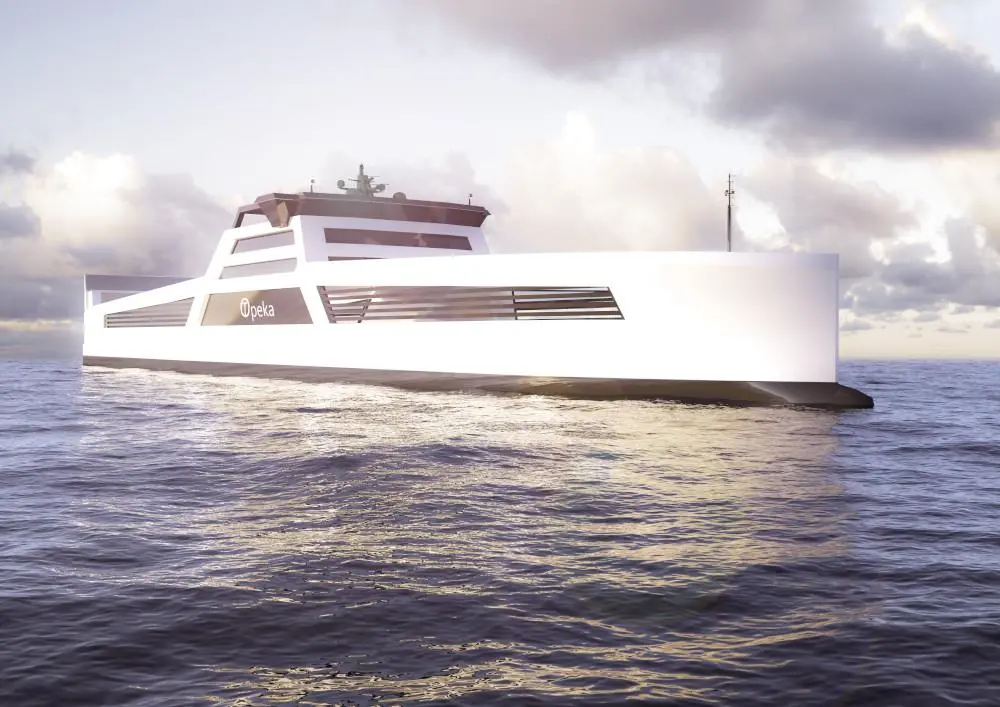
As previously reported by The Motorship, the project is intended to develop a hydrogen distribution network, establishing the viability of transporting LH2 fuel via zero-emission coastal vessels, and establishing terminals for storage and bunkering along the Norwegian coast.
Green hydrogen will be sourced from the new LH2 production plant planned at Mongstad outside Bergen by consortium participants Equinor and Air Liquide, along with a Bergen-based energy generator, BKK.
“Hydrogen as a fuel enables opportunities for low, or zero-emission shipping. Topeka will be our first step towards scalable LH2 fuelled maritime operations. We shall create a full LH2 infrastructure and commercial ecosystem, while at the same time removing yearly some 25,000 trucks from the roads”, says VP of special projects Per Brinchmann at Wilhelmsen, which is also coordinating the project.
Frida Eklöf Monstad, Vice President Logistics and emergency response in Equinor said: “A hydrogen driven coast-liner that has a regular frequency is very promising transportation alternative for Equinor’s bases on the west coast of Norway. This zero-emission vessel service will also be a valuable demonstrator of the technology development supporting Equinor’s ambitions to move cargo from road to sea and to halve emissions from our maritime activities in Norway by 2030.”
Capesize bulk carrier study
The zero-emission Ro-Ro demonstrator vessel will be powered by a 3MW PEM fuel cell, along with a 1MWh capacity battery pack.
The ship will be operated by Norwegian maritime industry group Wilhelmsen and is expected to enter service in 2024.
The consortium includes ferry operator Norled along with ship designer LMG Marin, both of whom have previous experience with liquid hydrogen-fuelled ferry designs, having collaborated in Norway’s first hydrogen-powered car ferry, which is currently being constructed at Westcon.
The HySHIP project will also conduct three replicator studies, including a 1MW tanker barge for use on inland waterways, a 3MW fast ferry and a scaling-up study.
Interestingly, the latter study will involve the installation of a larger, 20MW energy system for deepsea vessels using a capesize bulk carrier as the replicator.
This is understood to be one of the first such studies to consider fuel cells for bulk carriers. Previous hydrogen fuel cell projects have tended to focus on applications for cruise ships, offshore vessels, ferries and fast ferries, although there has been some interest in LNG carrier designs featuring fuel cells in recent months.
The HySHIP consortium also includes Kongsberg Maritime, PersEE, Diana Shipping, NCE Maritime CleanTech and classification society DNV GL. A number of academic institutions are also participating including ETH Zürich, Strathclyde University and Demokritos.
Related Articles
 ALTERNATIVE FUELS & LUBRICANTS
 ALTERNATIVE FUELS & LUBRICANTS
 ALTERNATIVE FUELS & LUBRICANTS