



UK OWNER INVESTS IN COASTAL TANKER FLEET
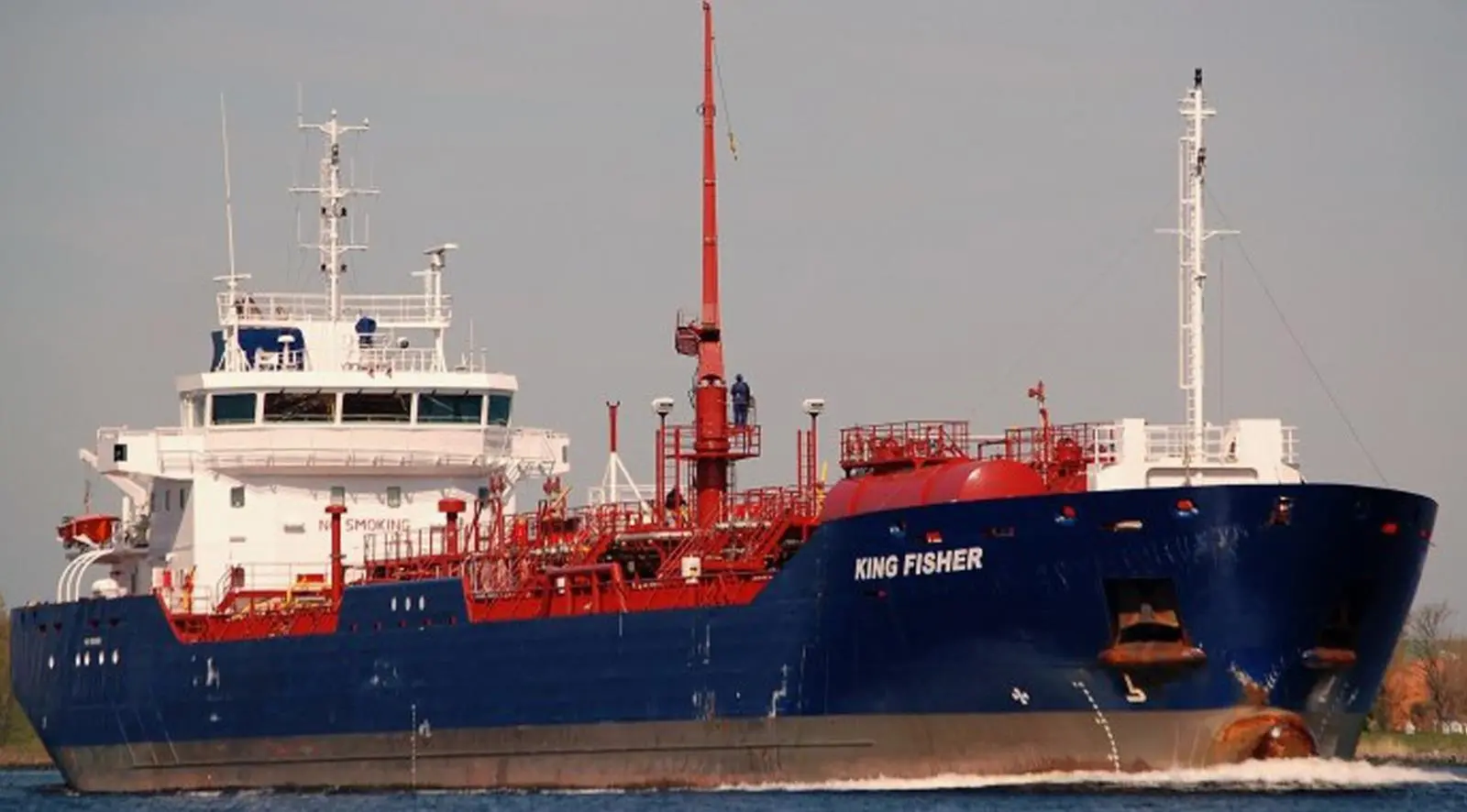
The 6,000dwt clean product carriers have been contracted from China Merchants Jinling Shipyard (Yangzhou) Dingheng, and will meet the IMO Tier III emission standard in both LNG and diesel mode.
The two newbuilds, arranged and equipped to IMO Type 2 categorisation and thereby offering increased scope and versatility as to cargo range, will be deployed by the group’s tankship specialist James Fisher Everard (JFE).
The prospective 2022 additions to the fleet have been designed to work into ports with restricted access around the coastlines of the British Isles and northern Europe. The tonnage will enable JFE to better serve existing long-term contracts with cargo generators and shippers, while the IMO Type 2 notation will provide greater flexibility in responding to market demand.
Claimed to be the first tankers of their particular size and type to incorporate dual-fuel powering technology, meeting Tier III criteria whether burning oil or LNG, the design has also been optimised for enhanced hydrodynamic performance. The effect will be to improve operational efficiency and achieve reductions in greenhouse gas emissions, supporting both the environmental strategies of customers and James Fisher’s own ‘sustainability’ goals, as well as meeting heightened legislative requirements.
Reference is made by the company to an industry report which quantified the influence of LNG powering: “A study on the impact of the use of LNG as a marine propulsion fuel, by the Society for Gas as a Marine Fuel (SGMF), predicted that a reduction in carbon emissions of up to 21% is possible over the entire vessel lifecycle compared with existing marine fuels and leads to significant improvement in local air quality through the reduction of other atmospheric pollutants.”
JFE currently employs 16 double-hulled product tankers, comprising 15 in the 3,500-13,000dwt band plus one of 35,000dwt, carrying petrol, diesel, kerosene and biofuels. Previous newbuild additions were two Dutch-owned, Damen-built vessels of 7,100dwt, commissioned in 2013 and placed under the management of James Fisher Shipping Services. Since then, two tankers of 4,650dwt and 6,100dwt were purchased from abroad in 2018, and two 1997/98-built, 4,800dwt units of the fleet underwent refurbishment and two-year life extensions last year.
Indications of the latest investment plan were given last September at the time of the company’s sale in Malta of the then 23 year-old, 5,000dwt Galway Fisher, hitherto used on the Irish coast.
The award of the 6,000-tonners to China Merchants Jinling is an endorsement of the yard’s growing profile on the international stage for sophisticated, intra-regional tanker tonnage. Scandinavian owners are prominent within the orderbook.
In the north European distributive traffic, an early commitment to LNG fuel as a means of meeting both regulatory controls and corporate agendas has also been amply demonstrated by Swedish owner Thun Tankers. The 7,999dwt Thun Eos class of four newbuilds, delivered from 2019 onwards from Ferus Smit, has Wartsila dual-fuel propulsion machinery and can transport oil products and IMO Type 2-designated chemical cargoes.
Related Articles
 PROPULSION
 GENERAL NEWS
 HYDROGEN