



Producing methanol from residual steel gases
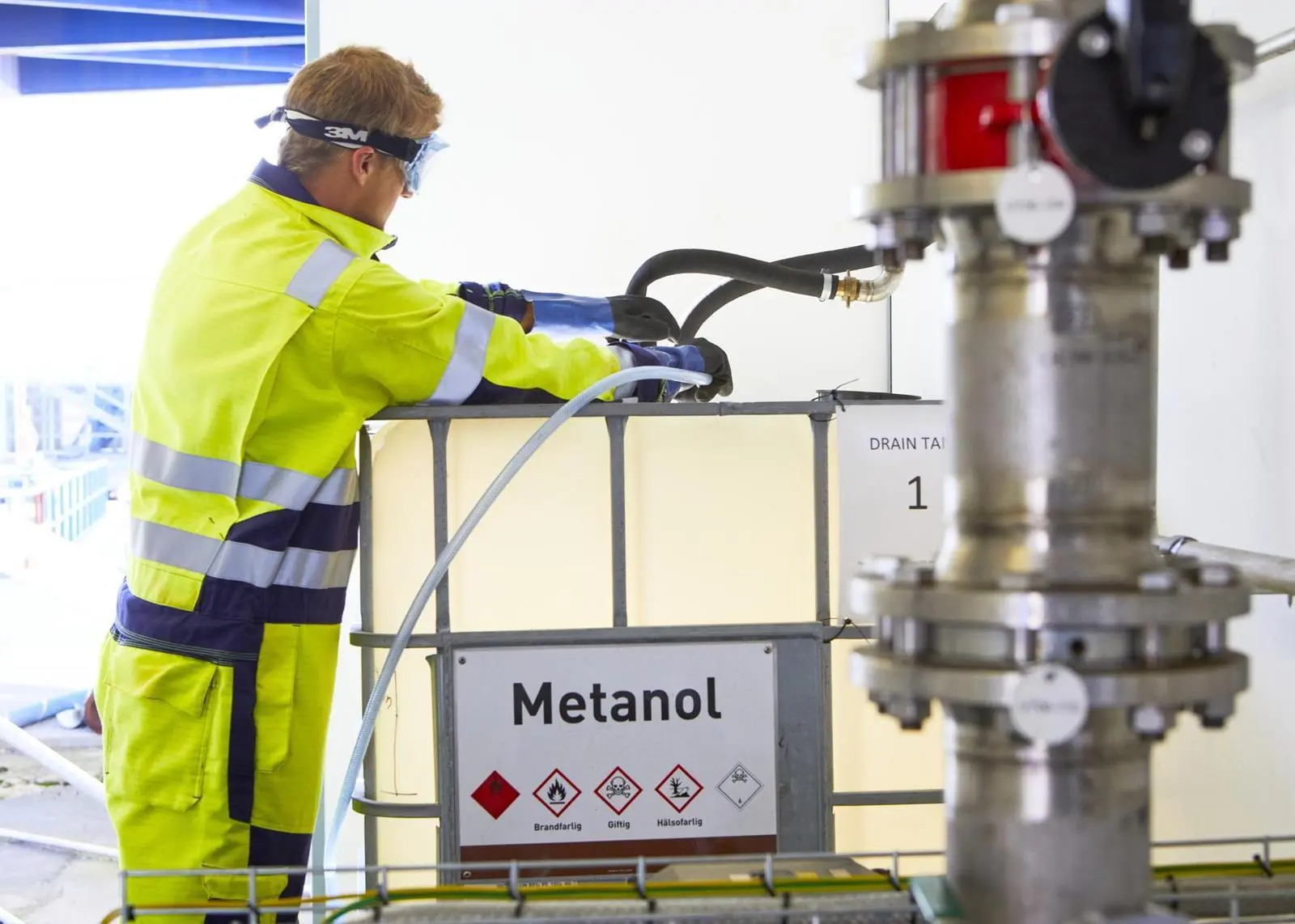
In 2015 Stena Line made history by converting one of the largest RoPax ferries in the world, the 240m Stena Germanica, to become the world’s first methanol powered ferry. This week the company took the next step on its journey towards achieving zero carbon when the Germanica travelled from Sweden to Germany powered by recycled methanol.
“It is exciting to be part of our sustainable journey and try out another new sustainable fuel,” said Peter Holm, chief engineer on board Germanica. “I can confirm that we sailed with the new fuel from Gothenburg to Kiel on June 22 and it worked very well,” he added.
The new fuel, dubbed ‘blue methanol’, is recycled from residual steel gases, a by-product of the steel production industry, helping reduce the ferry’s reliance on diesel and lowering carbon emissions. It has been developed in collaboration with several partners, including Methanex, Wärtsilä and the EU’s Motorways of the Seas project.
While methanol is a fossil fuel it is much cleaner than traditional marine fuel, reducing sulphur and particulates by 90% and nitrogen by 60%. The FReSMe project, funded by the H2020 EU programme, aims to demonstrate the end-to-end process that uses CO2 captured from the steel industry to produce methanol for use as a marine fuel.
Related Articles
 ALTERNATIVE FUELS & LUBRICANTS
 ALTERNATIVE FUELS & LUBRICANTS
 ALTERNATIVE FUELS & LUBRICANTS