



TEST STAGE FOR HYDROGEN ENGINE PROJECT
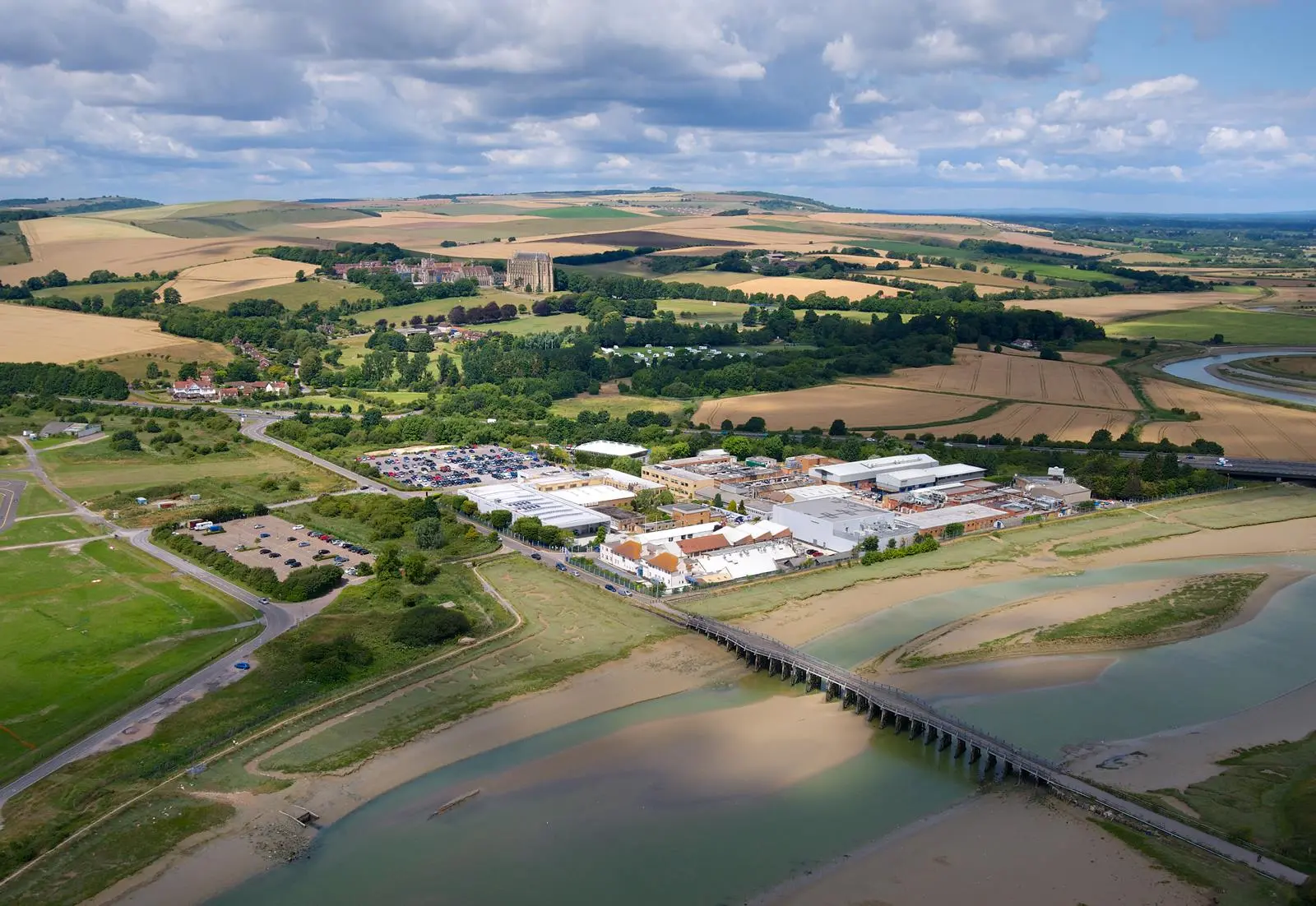
Developed by consultancy group Ricardo, the unit will be evaluated in the state-of-the-art Advanced Engineering Centre (AEC) at the University of Brighton, the company’s long-term combustion engine research partner.
The test programme will study the performance, efficiency and emissions of the prototype, so as to assess its feasibility as a multi-cylinder engine which could be taken into production for Ricardo’s global customers.
The overarching objective is an economic, durable and sustainable solution or option for accelerating the shift to zero-emission power in shipping as well as in heavy-duty road vehicles and off-highway machines.
So-called ‘green’ hydrogen—derived using renewable energy sources—is regarded by Ricardo as having a critical role to play in future transport and power systems, especially so in reducing greenhouse gas emissions from hard to decarbonise sectors such as long-haul trucks, off-highway vehicles and equipment, and the marine industry.
The Ricardo/University of Brighton joint programme will use the results from the hardware to validate methods applied in the engineering consultancy’s digital tools. Virtual hardware optimisation and controls calibration will feed through to efficient solutions for the market.
The hydrogen engine initiative complements Ricardo’s investment in fuel cell-orientated hydrogen systems. In February 2021, The Motorship reported on the company’s £2.5 million (US$3.4m) investment in its hydrogen development and testing facility at its Shoreham Technical Centre in southern England.
The collaboration with the nearby University of Brighton’s AEC is longstanding, and has featured the establishment of the Sir Harry Ricardo Laboratories. AEC has an international track record of research in complex engine combustion processes and laser-based measurement technologies, fundamental modelling and computational simulation.
The university also teamed up with Ricardo last year to bring the revolutionary Dolphin N2 engine to market. The split-cycle internal combustion engine is claimed to rival batteries and fuel cells in efficiency with near-zero emissions of NOx.
Related Articles
 ALTERNATIVE FUELS & LUBRICANTS
 ALTERNATIVE FUELS & LUBRICANTS
 ALTERNATIVE FUELS & LUBRICANTS