



Origin Energy Furthers Australia’s Hydrogen and Ammonia Export Plans
Origin and MOL will evaluate how Australian green ammonia projects could supply key downstream markets from 2026, with a joint feasibility study expected to be completed by December 2021.
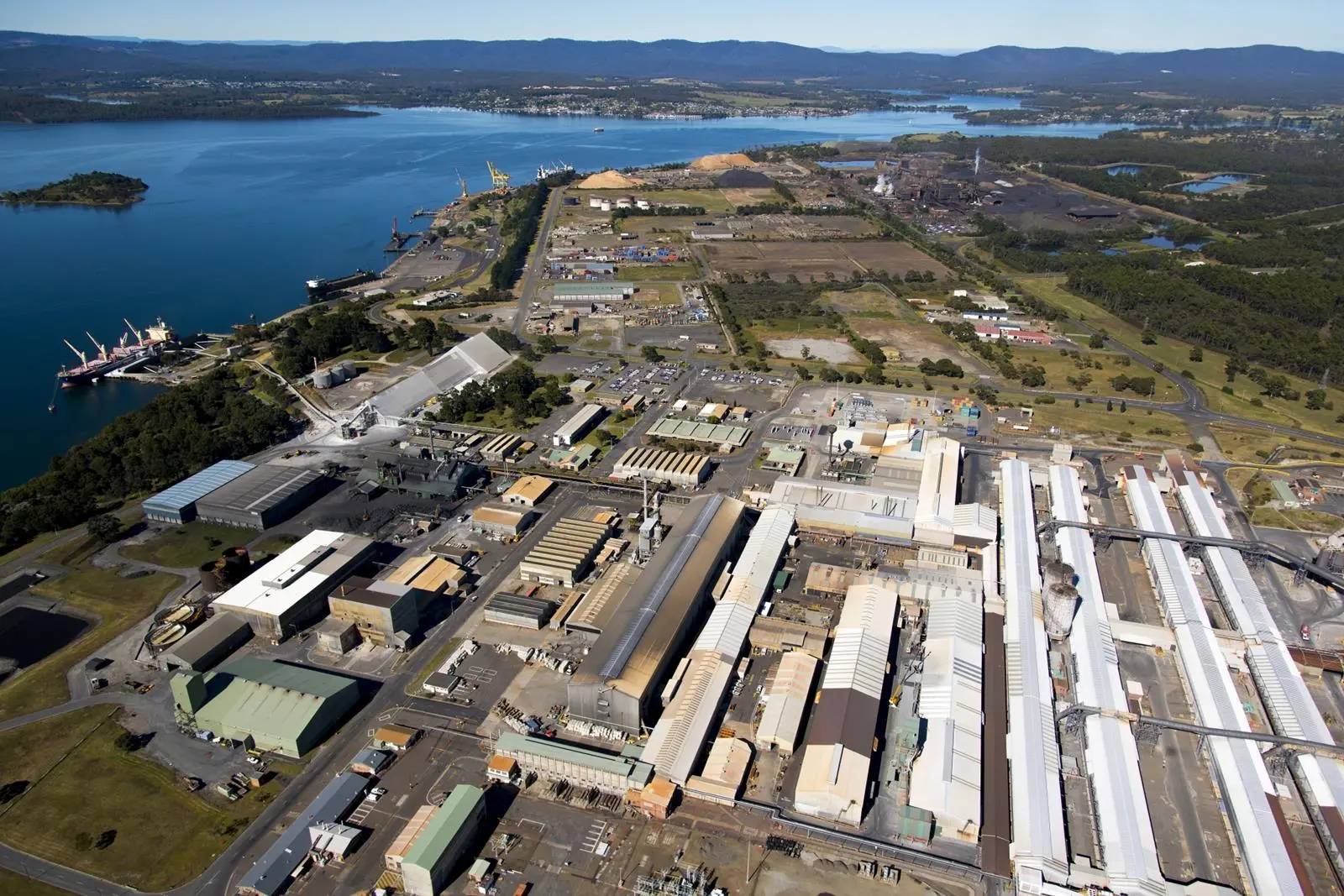
Origin is progressing a number of export scale green hydrogen opportunities across Australia to meet overseas and domestic demand for lower carbon fuels, including one in Bell Bay, Tasmania, where Origin’s separate A$3.2 million feasibility study into green ammonia production is underway.
Origin’s general manager of future fuels, Tracey Boyes said, “With our abundance of renewable resources and proximity to Asian markets, Australia is in the box seat to develop a world-leading hydrogen sector, exporting low emissions energy all over the world to meet demand for clean energy from our major trading partners. Many nations have committed to ambitious carbon targets, and partners such as Mitsui O.S.K Lines will be crucial to underpinning the development of a strong hydrogen sector here in Australia.”
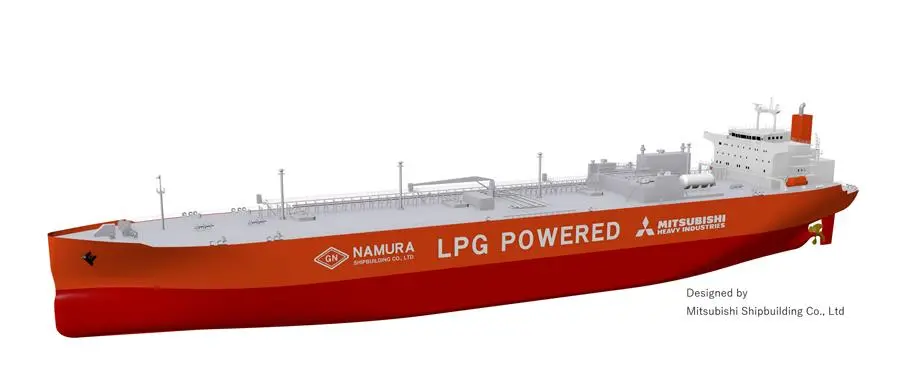
The announcement comes several days after MOL announced that its group company Phoenix Tankers had signed a deal with Namura Shipbuilding for construction of two very large gas carriers to transport liquefied petroleum gas (LPG) and ammonia. Namura Shipbuilding will build the two vessels at its Imari Shipyard, under a technical tie-up with Mitsubishi Shipbuilding. The vessels, which will be able to be fuelled by LPG or ammonia are slated for delivery after 2023. The newly ordered 230-meter vessels will have a cargo capacity of about 87,000m3 and will be powered by a Mitsui-MAN 6G60ME-C10.5-LGIP main engine.
Hydrogen carriers could operate out of Townsville
In April, Origin signed an MOU with Australia’s Port of Townsville in Queensland to collaborate on the potential expansion of the port, as well as the development of a liquefaction facility, new berth and associated infrastructure. For this project, Origin is collaborating with Japan’s Kawasaki Heavy Industries (KHI) on a 300MW early export project that would produce 36,500 tonnes per annum of green liquid hydrogen using renewable energy and sustainable water. The expansion would accommodate KHI’s semi-commercial scale liquid hydrogen carriers, currently under development, future project expansion opportunities and potential for sharing of common infrastructure with other Port of Townsville users. First export from the project is targeted for the mid-2020s.
Bell Bay could become national hub
In November 2020, Origin commenced a feasibility study into building an export scale green hydrogen and ammonia plant in Tasmania’s Bell Bay Industrial Precinct. Under the proposal, green hydrogen will be produced from sustainable water using renewable energy and then combined with nitrogen extracted from the air to create green ammonia. The greater than 500MW plant would produce more than 420,000 tonnes of zero emissions ammonia per year. The feasibility study is expected to be completed by December 2021, and if the project were to proceed, first production of green ammonia would be in the mid-2020s.
The feasibility study is part-funded by a A$1.6 million grant from the Tasmania Government and is one of three proposed projects being evaluated for Bell Bay. In June 2021, Fortescue Future Industries signed an agreement with TasPorts for land and operating access for its proposed 250MW green hydrogen plant at Bell Bay’s Industrial Precinct. The plant will have the capacity to produce 250,000 tonnes of green ammonia per year for domestic use and international export.
Woodside Energy’s H2TAS renewable hydrogen project is also targeting Bell Bay. Partnering with Countrywide Renewable Energy, it has plans for a 10 MW pilot project producing 4.5 tonnes of hydrogen per day. In July 2021, Woodside, Japan Oil, Gas and Metals National Corporation, Marubeni Corporation, Hokuriku Electric Power Company and The Kansai Electric Power Co. agreed to conduct a feasibility study into the development of an ammonia supply chain from Australia to Japan.
The Tasmanian Government’s Renewable Hydrogen Action Plan states that Tasmania is well-positioned for the development of a green hydrogen industry due to its low-cost, reliable renewable energy and excellent port and water infrastructure. The government states that renewable hydrogen production costs could be 10 to 15 percent lower in Tasmania than other Australian power grids and 20 to 30 percent lower than from dedicated off-grid renewables.
Related Articles
 ALTERNATIVE FUELS & LUBRICANTS
 ALTERNATIVE FUELS & LUBRICANTS
 ALTERNATIVE FUELS & LUBRICANTS