



NORWAY MOVES AHEAD WITH HYDROGEN PLANS
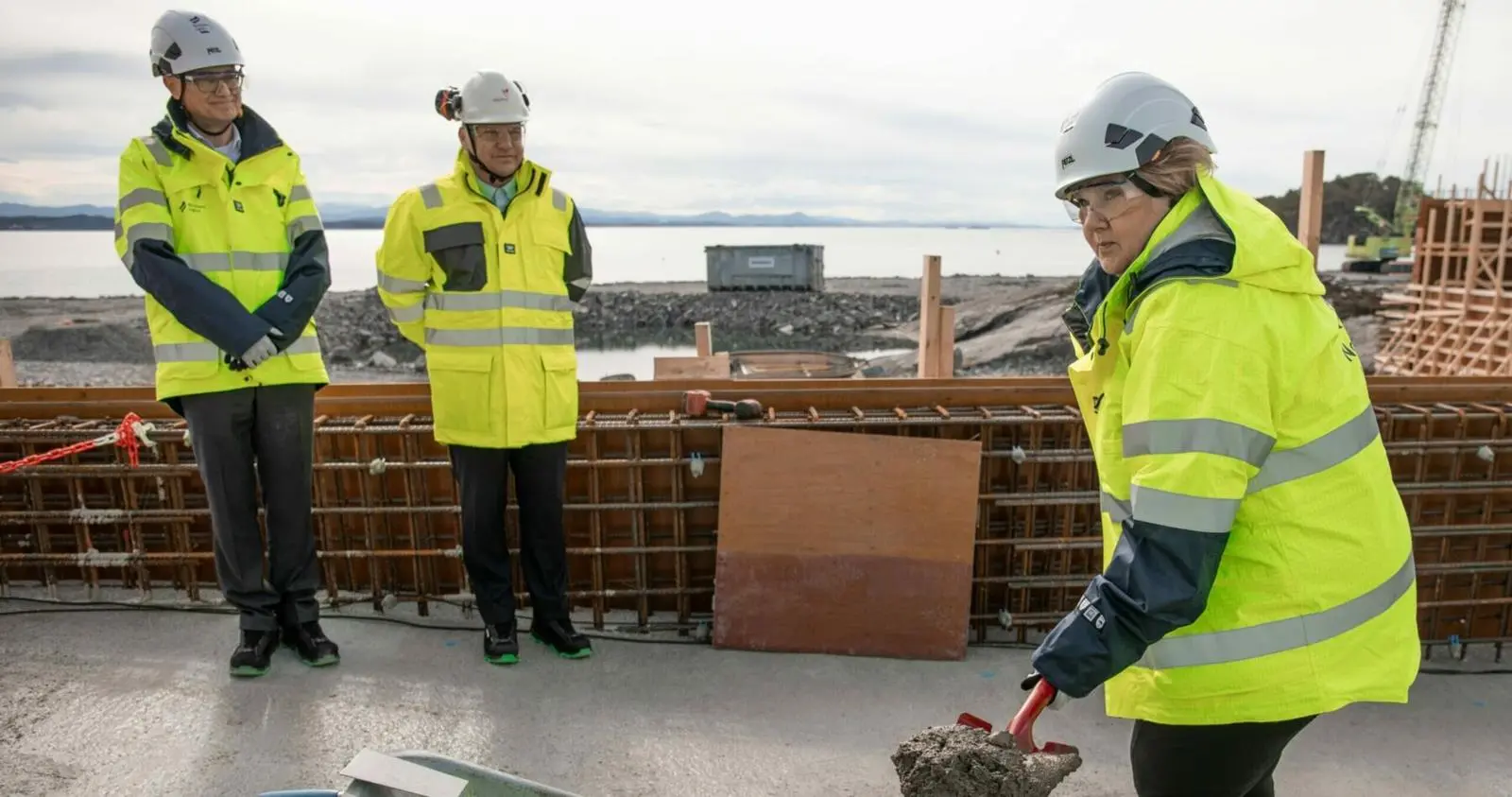
The nation is already committed to cutting domestic emissions by 50-55% by 2030. A series of strategy documents released since June 2020, including a white paper Putting Energy to Work, a hydrogen strategy and hydrogen roadmap, set out the government’s ambitions. In the medium term, up to 2030, these ambitions include establishing hydrogen in the maritime sector.
“We must prepare for the fact that the petroleum industry will not remain the same driving force in our economy as previously,” said Tina Bru, Minister of Petroleum and Energy, with the publishing of the white paper in June 2021. However, she recognised that the expertise and technology developed in the industry will be vital for the development of new industries such as carbon capture and storage.
DNV is involved in many of the emerging hydrogen projects. Magnus Killingland, Principal Consultant at DNV, says there will be parallel development of large-scale and smaller-scale projects as the nation looks to export scale hydrogen production and also distributed production and use throughout Norway.
The Norwegian government wants Norway’s renewable energy resources to be used nationally as much as possible. One of the goals of the white paper recognises the need for further power and grid development to support smart and effective electrification. The potential for the electricity grid to support the production of hydrogen using electrolysers can be limited in more remote fjords, says Killingland.
The potential for large-scale hydrogen storage in remote locations could also be an issue, as more regulations apply to larger storage facilities, potentially adding cost and logistics constraints. “In that case, we might have trucks delivering hydrogen at small scale, but there are also projects that are really large-scale delivering hydrogen to refineries or converting it to ammonia for export to Europe.”
Dr Paolo Pisciella, a researcher at NTNU, raises another consideration. He says that Norway has a large supply of renewable energy including the planned expansion of wind power, but both carbon capture and storage and hydrogen production using electrolysis could sharply increase the need for energy. This could increase its cost.
Advancing carbon capture
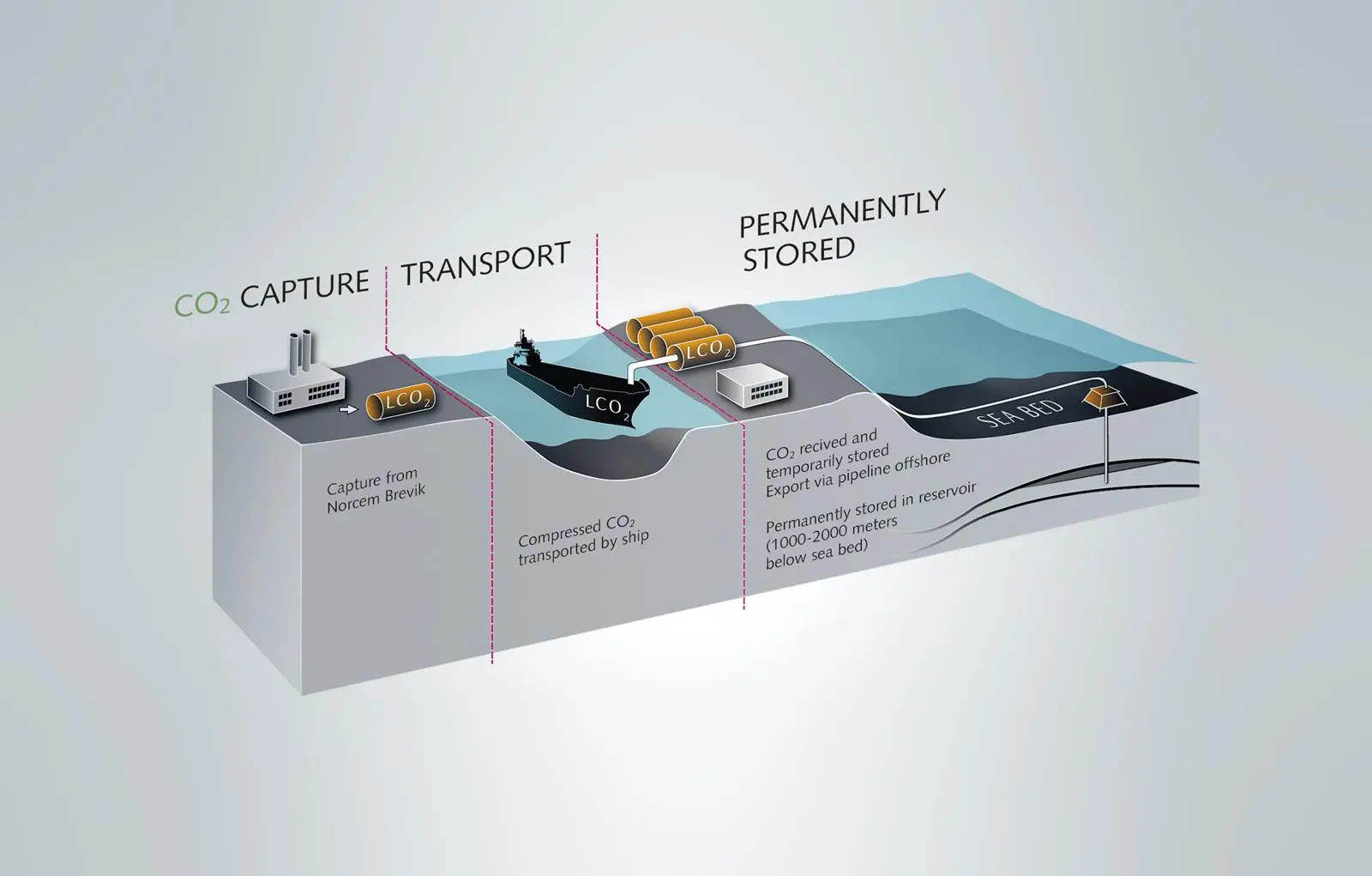
To be low-emissions, hydrogen produced through natural gas reforming must be combined with carbon capture and storage. Already experienced in the development and operation of CO2 storage projects on the Sleipner and Snøhvit fields on the Norwegian continental shelf, the government is now supporting the development of the Longship project that will implement carbon capture implemented at Norcem’s cement factory in Brevik as a first step.
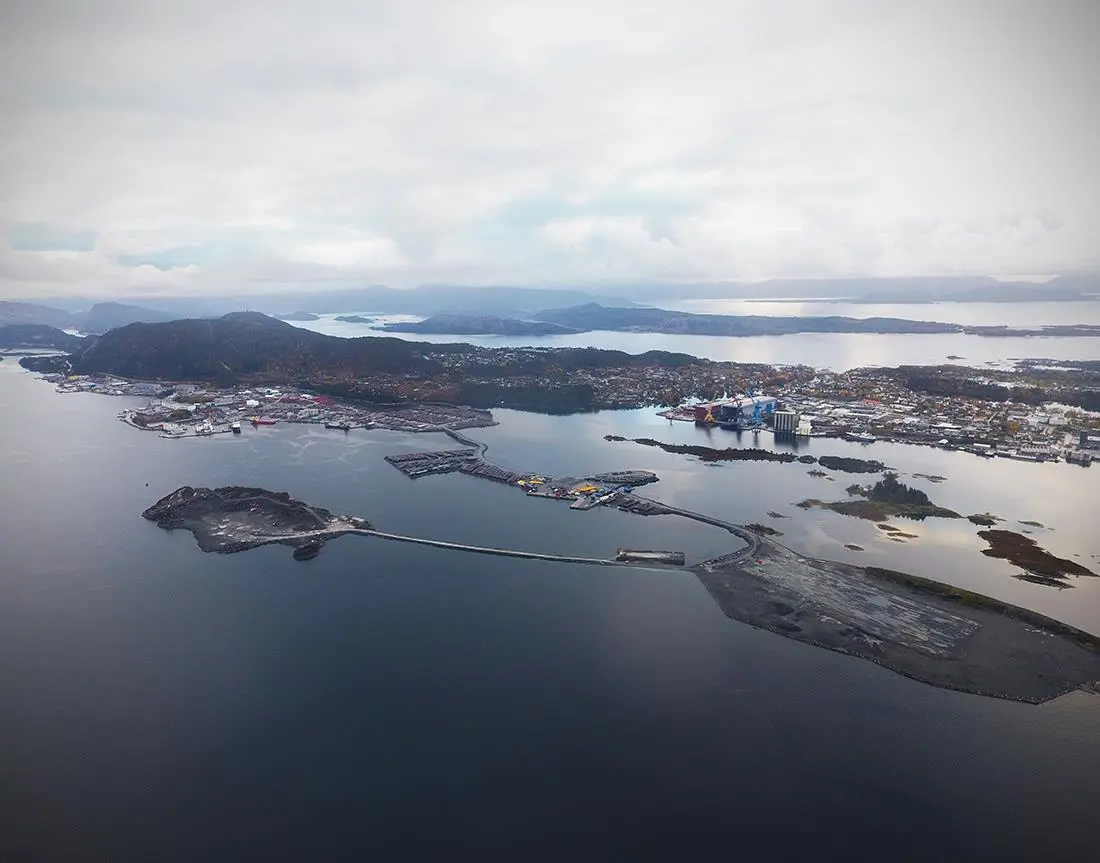
The Northern Lights project is the storage part of the Longship project and is a joint project between Equinor, Shell and TotalEnergies. It will receive captured CO2 transported by ship to Øygarden municipality on the western coast of Norway. Here, the gas will be temporarily stored before it is sent through a pipeline to the storage site on the continental shelf. The CO2 will be pumped down to a sealed reservoir for permanent storage 2,600 meters below the seabed. Northern Lights will sell additional capacity to other customers, and construction work is now proceeding on the Øygarden terminal. In September, Norway’s Ministry of Petroleum and Energy announced that it will be taking applications for CO2 storage in two other areas located in the North Sea and the Barents Sea.
Carbonor and Aker Carbon Capture have signed an MoU to jointly develop Carbonor’s low CO2 char production at Øygarden. The project will utilise Aker Carbon Capture’s Just Catch 100 technology integrated with Carbonor’s pyrolysis technology to produce low-emission, high-carbon reductants for the alloy industry. The project could become the first in which carbon capture and storage is sold as a service, where the emitter pays a fee based on the volume of carbon captured. The goal is to commission Carbonor’s new char operations in time for the opening of the Northern Lights terminal in May 2024.
With funding from the Research Council of Norway, Aker Solutions and partners (Cognite, Aize and AGR, as well as Wärtsilä, OpenGoSim, The Sustainable Energy Catapult Centre, SINTEF, Wintershall Dea, Vår Energi, Lundin, Equinor and TotalEnergies) have established a research project aimed at cutting costs for new carbon storage facilities by 70%. The LINCCS research project will look at optimising various technologies throughout the value chain, and the ambition is that the new solutions will enable new projects that can facilitate the storage of 100 million metric tons of CO2 emissions, twice Norway’s annual CO2 emissions. The project partners aim to have solutions ready for a first demonstration projects by end of 2024 and for full scale commercial projects by 2027.
Venturing into offshore renewables
Almost all of Norway’s electricity is supplied by hydropower, and it has Europe’s lowest carbon emissions grid. According to the European Hydrogen Strategy, the need for green hydrogen production in Europe could account for 24% of energy demand in 2050. To expand its renewables footprint, the Norwegian government has opened up two areas for offshore renewable energy production: Sørlige Nordsjø II and Utsira Nord.
The government is also providing financial support for the Ocean Grid project which will develop new technology for the profitable development of offshore wind on the Norwegian continental shelf. It will look particularly at the way offshore wind will be connected to the grid and will encompass both bottom-fixed and floating wind farms.
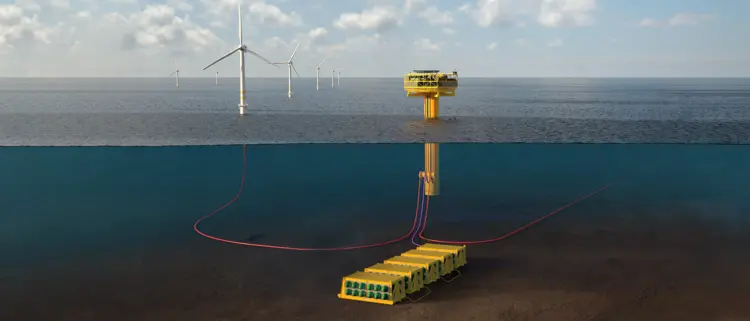
TechnipFMC and consortium partners Vattenfall, Repsol, ABB, NEL, DNV, UMOE and Slåttland are moving ahead with a pilot project for the Deep PurpleTM green hydrogen offshore energy system, after Innovation Norway recently announcing financial support. Deep Purple will use offshore wind energy to produce hydrogen from seawater via electrolysis for delivery direct to customers or for storage subsea in dedicated tanks. Fresh water for the electrolysis process will be produced from seawater using reverse osmosis.
TechnipFMC is also participating in the BEHYOND project for green hydrogen production from offshore wind power. The project will evaluate integration of equipment for the production and conditioning of green hydrogen and infrastructure for its transportation to the coast. The goal is to create a unique concept that can be standardized and implemented worldwide, allowing for large-scale hydrogen production.
There is 9,000 kilometres of subsea pipeline used for natural gas transport in the North Sea. Researchers at SINTEF are investigating the possibility of using them to transport hydrogen as part of the HyLINE project. “We are carrying out a very complex matrix of testing in environments with pressures up to 200 bar and 100% pure hydrogen gas to develop ready-to-use solutions,” said Mihaela Cristea, Tenaris Line Pipe Product Manager, who is leading the project which will study the nano, micro and macro effects of hydrogen on material performance and structural integrity. The project is a key step for the European Hydrogen Backbone Initiative that envisions a 6,800 kilometres of hydrogen network by 2030 and a 22,900 kilometre network by 2040.
Supporting clean fuel shipping
Environmentally friendly shipping is a priority for the Norwegian government. Currently, more than 70 ferries in Norway are run, fully or partially, with battery powered propulsion systems. In 2022, the first hydrogen powered ferry will be launched, and the first ammonia powered vessel will be operational in the offshore sector in 2024.
INC Invest and Sogn og Fjordane Energi (SFE) have established a joint venture, HyFuel, to produce sustainable green hydrogen at Fjord Base, Norway’s largest offshore oil and gas supply base. HyFuel will develop, own, and operate a plant for producing hydrogen and hydrogenation of Liquid Organic Hydrogen Carrier (LOHC) for maritime transport. The production is planned to include an industrial symbiosis with the land-based fish farm at Gaddholmen, which will use the oxygen and waste heat produced.
The Aukra Hydrogen Hub is also well-positioned to becoming a key hydrogen hub that will provide emission-free fuel for ships. Earlier this year Aker Clean Hydrogen and Aukra municipality entered into a cooperation agreement to explore and develop a project for production of hydrogen, ammonia, and related products. Aker Clean Hydrogen and CapeOmega have since signed an MoU with AS Norske Shell to explore opportunities for large-scale hydrogen production using natural gas from the local gas processing plant at Nyhamna.
Azane Fuel Solutions has received government funding for what could be the world’s first ammonia bunkering terminal network in Norway. The flexible terminal design will be capable of receiving ammonia from ships, trucks and barges and includes a shore-based and a floating solution.
Carbon Contracts for Difference
In August, the “Arendalsuka” Norwegian community democracy event discussed Carbon Contracts for Difference (CCfD) that cover the difference between fossil fuels and zero-emission alternatives. CCfD have been broadly discussed as a potential instrument to support energy-intensive industries in developing and deploying zero-emission fuels. They could be used to cover the difference between fossil fuels and zero-emission bunker fuels until it is more cost beneficial for the industry to transition to zero-emission fuels. The government would pay the difference between fossil fuels and zero-emission fuels.
Norway’s Green Shipping Program has plans for around 50 hydrogen projects in Norway, and Sveinung Rotevatn, the Norwegian minister on climate and environment, says CCfD is an important support scheme.
Related Articles
 ALTERNATIVE FUELS & LUBRICANTS
 ALTERNATIVE FUELS & LUBRICANTS
 ALTERNATIVE FUELS & LUBRICANTS