



MEPC 77 decision set to boost interest in wind-assist solutions, conference hears
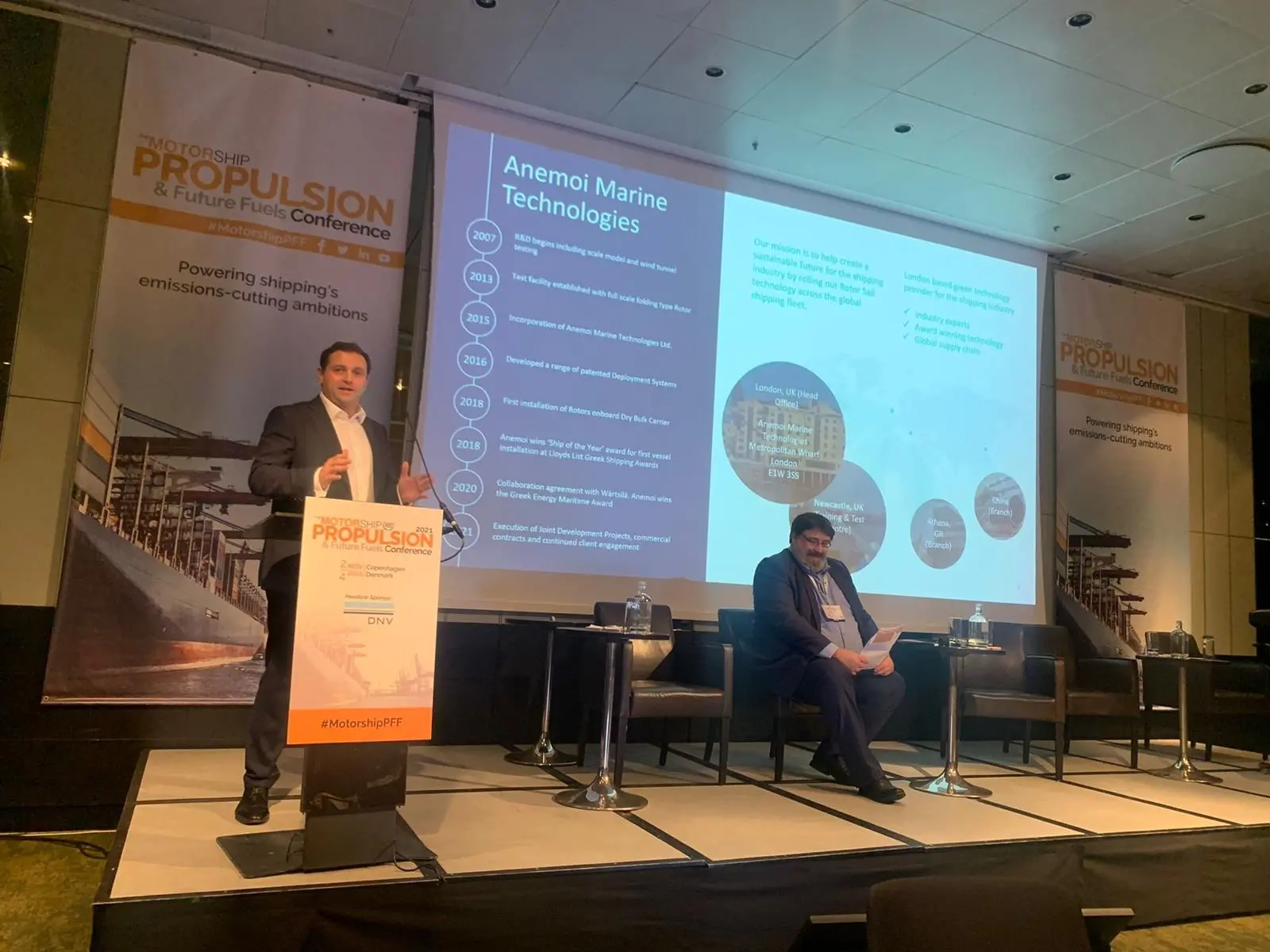
The key takeaway from the panel was that a proposal to amend the criteria for the evaluation of wind-assisted propulsion systems at the upcoming meeting of the IMO’s Marine Environment Protection Committee (MEPC 77) in November could have far reaching implications for the sector.
The agreement would allow the expected EEDI benefits of wind-assisted propulsion systems to be formally identified. Until now the provisional nature of the current formula has prevented definitive EEXI reduction calculations, ClassNK’s Motoki Sagakami told the conference.
“This will provide a clear incentive to adopt wind assisted propulsion systems.”
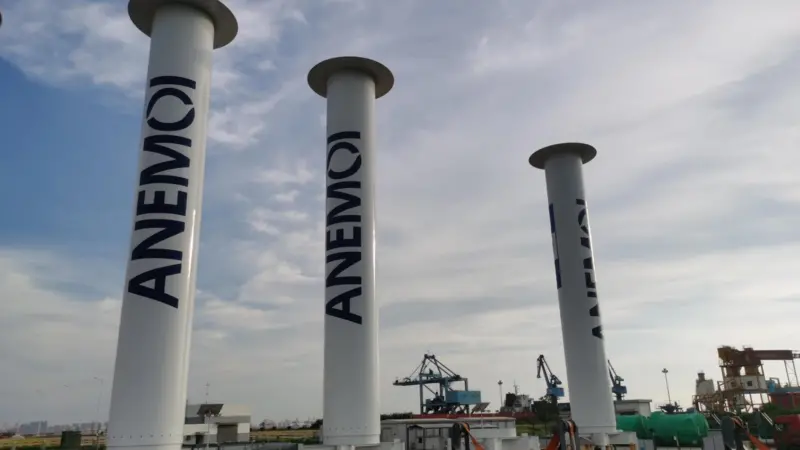
Wind-assisted propulsion systems offered significant advantages to ship owners looking to minimise the effect of engine power limitation on their vessel’s operating behaviour. Nick Contopoulos of Anemoi noted that that installing four Flettner rotors aboard a 2016 vintage 82,000dwt Kamsarmax bulk carrier could reduce engine power limitation requirements to just 300kW, “which is basically nothing for a six cylinder two-stroke rated at 7,351kW”, to bring it under EEXI standards.
The Motorship understands that the MEPC is also considering potential revisions to the IMO’s wind probability matrix, given advances in wind modelling and measurement since the matrix was introduced in 2013.
Nick Contopoulos of Anemoi explained that the wind probability matrix was a multiplier in the current external power matrix formula. Amendments could potentially increase the impact of wind power on EEXI and eventually CII scores, the panel’s presenters concurred.
“It is great that we are looking at an operational index,” Mikael Razola, Project Manager at Wallenius Marine told the conference.
Related Articles
 ENERGY SAVING DEVICES
 ENERGY SAVING DEVICES
 AMMONIA