



Modelling suggests afterburner required for CO2 capture on carrier ship
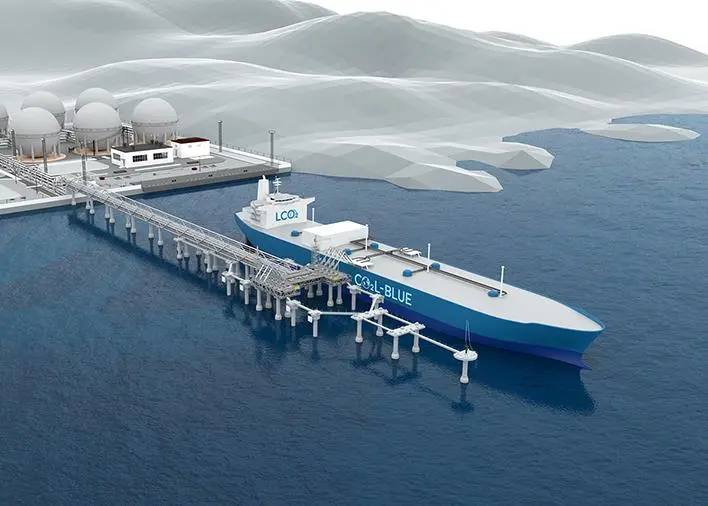
The project was part of the CO2LOS II (CO2 logistics by Ship Phase II) project which aimed to reduce the cost of CO2 shipping, focusing on conceptual engineering of different parts of the logistics chain and including other partners Air Liquide, BP, Equinor, Gassco, Sogestran and TotalEnergies.
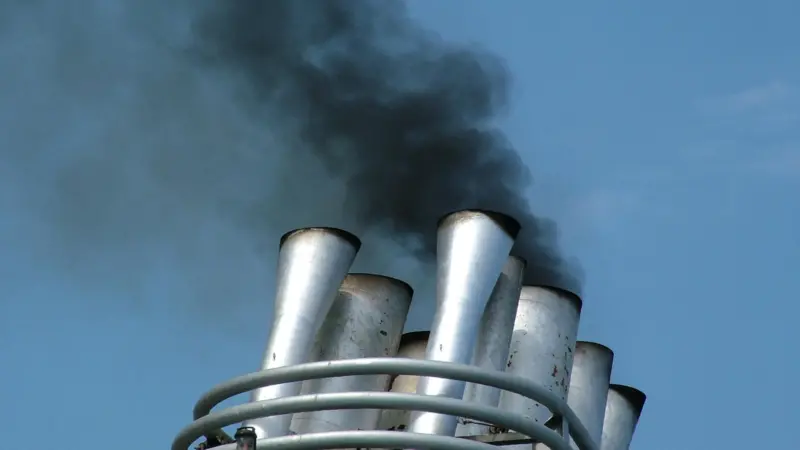
If CO2 was captured from the exhaust gas, it could be compressed and added to the vessel’s cargo tanks. Adsorption was chosen as the most viable capture technology to model due to the low partial pressure of CO2 in flue gas. The researchers’ modelling indicated that use of an afterburner would increase fuel consumption by 6-9% if LNG was used as bunker fuel and 8-12% if diesel was used. Use of superior solvents with low specific energy consumption would reduce the need for the afterburner, but varying the height of the absorber in the exhaust system had limited effect.
An earlier assessment of GHG emissions from the CO2 transport chain proposed for the Norwegian Longship project found that the electricity consumption of a CO2 liquefaction plant would be the largest contributor of GHG emissions from the transport chain. This was followed by onboard fuel consumption.
SINTEF sees carbon capture and storage as the only way to decarbonise some industrial sectors, including cement, metal production and waste incineration. Although the technologies and the industry are still emerging, a possible challenge is connecting capture sources to facilities for use or storage sites, especially where pipelines are not an option. CO2 carriers are anticipated to play a vital role, and demand for such transport vessels is projected to expand in the future.
A third project, CO2LOS III, now also includes Mitsubishi Corporation. The company has experience building LNG and LPG carriers as well as carbon capture technologies.
Related Articles
 CARBON CAPTURE
 CARBON CAPTURE
 ALTERNATIVE FUELS & LUBRICANTS