



Bp acquires stake in biofuels producer
GBF’s products are made from renewable feedstocks such as vegetable oils, animal oils and fat. Founded in 2013, GBF has delivered over 55 million litres of HVO products to the UK market over the past two years. HVO Gd+, which includes GBF’s additives, can be used in diesel engines without the need for modifications or capital expenditure. Independent tests at the Millbrook specialist vehicle testing facility have shown that compared to standard diesel emissions, HVO Gd+ has up to an 85% reduction in particulates, and up to a 30% reduction in NOx.
The investment is another example of bp’s work to help decarbonise hard-to-abate sectors. In December 2021, bp announced it had taken a stake in Gasrec – the UK’s largest dual provider of bio-liquified natural gas (LNG) and bio-compressed natural gas (CNG) to the heavy goods vehicles industry.
Earlier in February 2022, BP Products North America entered into a long-term strategic offtake and market development agreement with Nuseed, which will see bp, or its affiliates, purchase Nuseed Carinata oil to process or sell into growing markets for the production of sustainable biofuels.
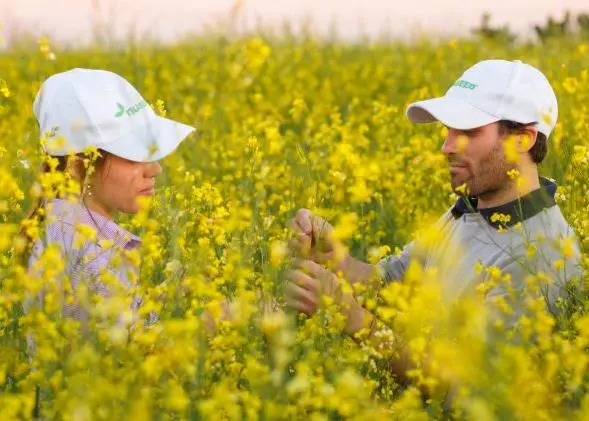
Nuseed Carinata is a non-food cover crop that can be used to produce low-carbon biofuel feedstock that is independently certified, sustainable and scalable.
Nuseed Group Executive Brent Zacharias said, “Nuseed Carinata is a proven, drop-in solution for biofuel processors that’s ready to scale globally on existing farmland between main food crops.”
Nuseed is currently increasing commercial production in Argentina and planning expansion programs in South America and the United States. Initial research and market development programs are also underway in Europe and Australia. bp expects to initially target low-carbon biofuel markets in Europe and North America.
bp is already an active participant in the biofuels supply chain. bp produces renewable diesel from biomass-based feedstocks, including in the United States where it recently announced a project to expand renewable diesel production capability to an estimated 2.6 million barrels a year in 2022. Globally, the bp group aims to more than double its bioenergy portfolio by 2025 – and to quadruple it by 2030 – compared to 2019.
bp aims to be a net zero company by 2050.
Related Articles
 ALTERNATIVE FUELS & LUBRICANTS
 ALTERNATIVE FUELS & LUBRICANTS
 ALTERNATIVE FUELS & LUBRICANTS