



GTT and Shell in LH2 development tie-up
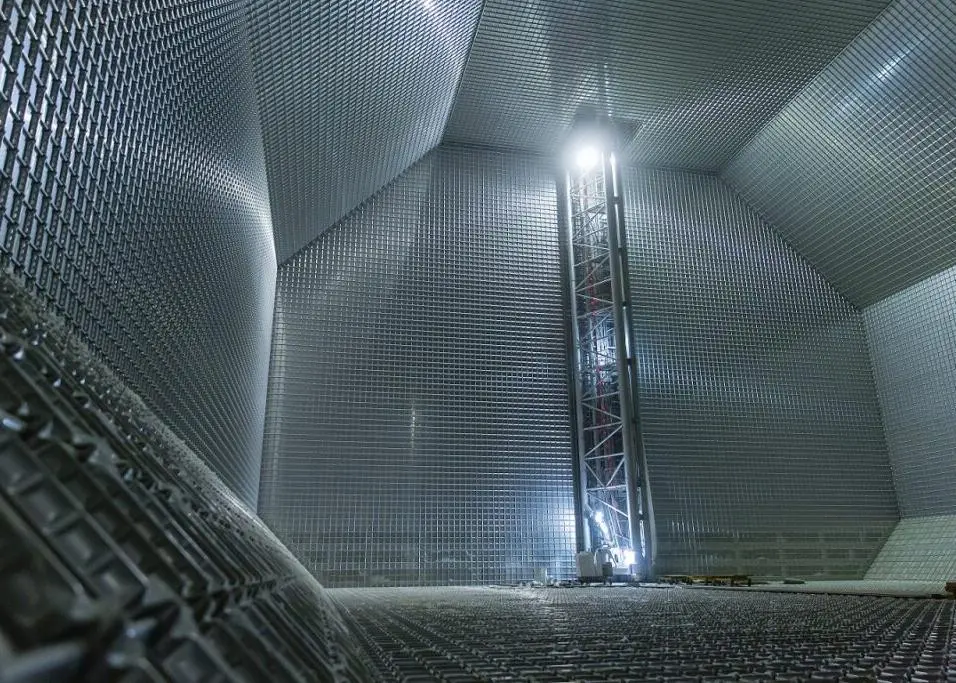
The cooperation agreement forms part of Shell’s strategy to develop a hydrogen energy supply chain by creating scalable and safe liquefied hydrogen shipping technologies.
GTT has a 50-year track record of designing cryogenic containment systems for the storage and transportation of liquefied gases, and has deep expertise in membrane containment systems and cryogenic technologies developed for the shipping and storage of LNG.
GTT’s technological know-how and capacity for innovation are major assets for developing an optimal containment solution that can be used on an industrial scale for the maritime transport of liquefied hydrogen. GTT has already developed a preliminary LH2 carrier design as well as an LH2 cargo containment system for a mid-size LH2 carrier.
Philippe Berterottière, Chairman and CEO of GTT, welcomed the agreement, noting: “We are particularly proud to combine our expertise and innovation capabilities with those of Shell on this very promising project. Our cooperation will allow a new technological breakthrough in the shipping world with the safe and scalable deployment of liquid hydrogen transport. GTT R&D teams are particularly determined to push back technological frontiers and make decarbonisation a reality.”
Carl Henrickson General Manager of Technology, Innovation and Digitalisation for Shell Shipping and Maritime, stated: “Shell’s strategy is to become a net zero carbon energy supplier by 2050 or sooner, in line with society, and we see that innovation with hydrogen and hydrogen technologies will play a major role in this ambition. Therefore, safe and efficient bulk transport of liquid hydrogen will be a critical enabler and we believe GTT bring key expertise to this project that will ultimately help to accelerate and unlock this future energy source.”
The two companies expect demand for hydrogen across multiple sectors to increase to meet the need for net zero carbon energy sources in the energy transition. The agreement is intended to address a key technological challenge, namely, the ability to transport very large volumes of hydrogen in liquefied form at -250°C, to the establishment of a reliable, efficient, and competitive hydrogen supply chain.
Related Articles
 ALTERNATIVE FUELS & LUBRICANTS
 ALTERNATIVE FUELS & LUBRICANTS
 ALTERNATIVE FUELS & LUBRICANTS