



FuelTrust launches Carbon Baseline
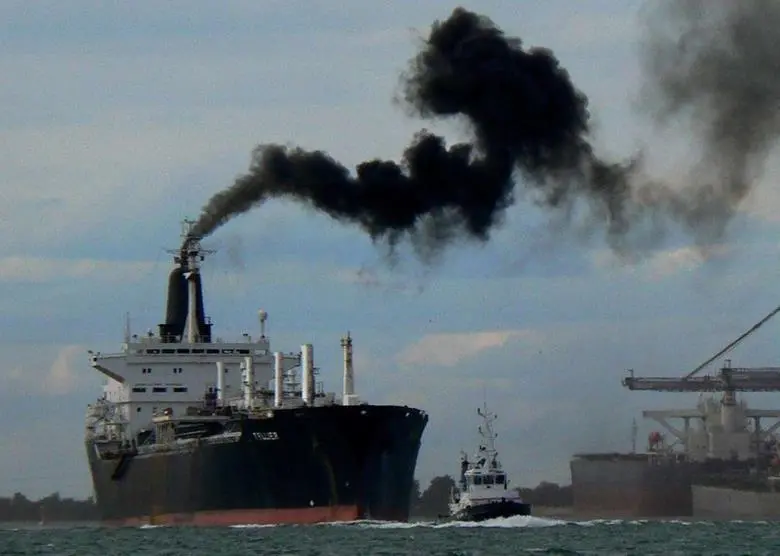
FuelTrust’s Carbon Baseline service uses cloud-based AI and blockchain technology, and its patent-pending AI Digital Chemist™ uses historical operational data to calculate prior-year GHG emissions profiles for a vessel or fleet. The Digital Chemist™ provides calculations based on a simulation of combustion at a molecular level, which considers differences between batches of fuels that current emission models cannot, says FuelTrust.
Carbon Baseline outputs a blockchain certificate for its findings, creating a fixed-in-time record that makes it easier for fleets to apply for carbon credits. The blockchain platform provides data security with encrypted and permissioned access, so only owners can authorize who views their data. In this way, FuelTrust makes it simple for ship owners and charterers to monitor and manage emissions, continue to adopt more sustainable practices, and benefit from all historic actions they have taken.
With a validated historic carbon baseline, owners can increase charter pricing for validated green ships, certify applications for carbon credits, and with FuelTrust’s independent emissions scoring, seek lower carbon taxes and fees globally.
Current emissions models offer only rough estimates, based on generic models that don’t account for chemical interactions, source fuel data, or supply and delivery chain impacts. Many also require massive amounts of manual input, or the installation of costly, high-maintenance devices aboard vessels.
As shipping progresses towards its 50% carbon reduction target in 2050, progress of individual vessels towards this goal will be assessed based on historical baselines going back to 2008. Finance decisions, tax levies and ESG reporting will all be driven by this assessment of vessel performance and could result in major financial implications. Owners with a detailed and verified baseline assessment of historical fleet emissions, based on scientific analysis, will have a commercial and ESG compliance advantage over those using current emissions models that can only estimate performance, says FuelTrust.
“With Carbon Baseline, class or flag authorities can be provided a more accurate, third-party verified report on the emissions reductions actually achieved, meaning the fleet owner, their customers and their investors can benefit,” said Darren Shelton, Chief Product Officer at FuelTrust.
“Exact calculation is essential for the industry as not all fuels are created equal. Recent studies have shown that, for example, there can be an energy density difference of up to 3% between batches of the same fuel. There is also a significant carbon difference between batches,” Shelton continues. “By offering this higher level of granularity in our data, we can give owners and charterers a far better picture of what their GHG performance has been in the past and what will be in the future.”
Related Articles
 ENERGY SAVING DEVICES
 LNG
LNG
 ALTERNATIVE FUELS & LUBRICANTS