



IMO pushes ahead with electronic certificates
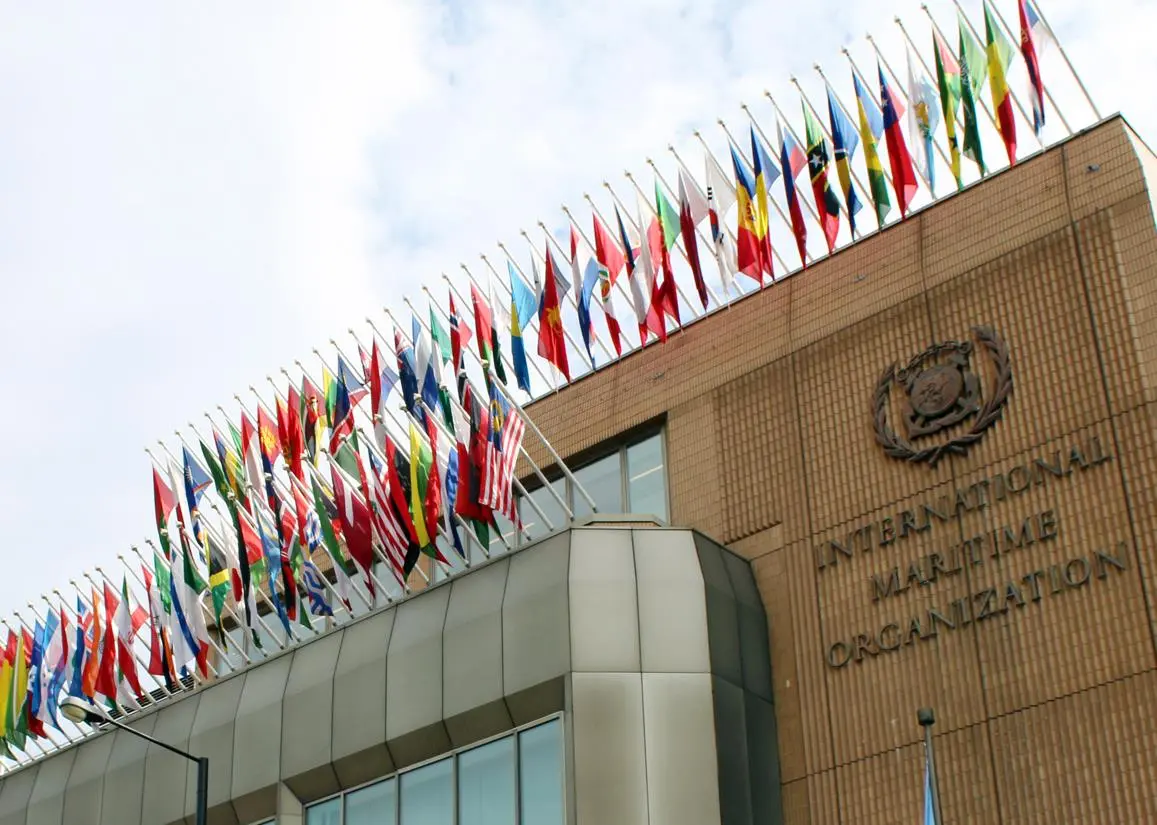
The Sub-Committee agreed draft amendments to the International Convention on Standards of Training, Certification and Watchkeeping for Seafarers (STCW), 1978, and related STCW Code. The draft amendments to the 1978 STCW Convention, regulations I/1 and I/2, concern the inclusion of a new definition for “original form of any certificate required by the Convention”. The draft amendments to section A-I/2 of the STCW Code clarify the application in the Code of existing terms and terminologies to the certificates and endorsements that might prevent electronic forms.
Draft guidelines on the use of electronic certificates of seafarers were agreed for approval by the Maritime Safety Committee, in conjunction with the adoption of these amendments to the STCW Convention and Code.
The draft amendments and guidelines on electronic certificates are in line with IMO’s effort to integrate new and advancing technologies in its regulatory framework.
Guidance and procedures for STCW Convention
The Sub-Committee also considered issues related to the effective implementation of the STCW Convention. The assessment of the challenges relating to implementation has led to the consideration of one of the main obligations for Parties emanating from the Convention: the communication of information.
The development of new streamlined guidance and procedures for the communication of subsequent reports and initial information is currently ongoing. The 32nd session of the IMO Assembly included a new specific strategic direction on the human element in the current Strategic Plan for the Organization.
The Sub-Committee agreed on the need for a holistic approach and requested the Maritime Safety Committee at its next session (MSC 105 in April this year) to invite all relevant IMO bodies to assess their respective involvement.
The Sub-Committee also agreed on the draft revised checklist for considering and addressing human element issues and associated draft amendments to the Organization and method of work of the Maritime Safety Committee and the Marine Environment Protection Committee and their subsidiary bodies (MSCMEPC.1/Circ.5/Rev.2) to ensure human element considerations are taken into account in all aspects and stages of the work of the Committees.
Revising the fishers’ training convention
The Sub-Committee made substantial progress in the comprehensive revision of the International Convention on Standards of Training, Certification and Watchkeeping for Fishing Vessel Personnel (STCW-F), 1995, which entered into force in 2012. The revised instrument will include a new Code, mirroring the current structure of the 1978 STCW Convention.
An agreed work plan envisages finalisation of the revised Convention and new Code at HTW 9 in 2023; development of Guidelines on the Medical Examination of Fishing Vessel Personnel by a Joint ILO/IMO Working Group to be held during the 2022-2023 biennium; and adoption of the revised Convention and new Code by MSC 108 (Spring 2024).
Learning from casualties – implications for seafarer training
The application of casualty cases and related lessons learned to the training of seafarers has been identified as a relevant tool to help reduce the human element-related risk and prevent casualties.
The Sub-Committee has been developing guidance on the issue which was agreed at this session and referred to the Sub-Committee on Implementation of IMO Instruments (III) to complete the links to relevant websites for casualty investigation, including IMO’s GISIS module on marine casualties and incidents.
Seafarers’ psychological safety, mental health and wellbeing
The Sub-Committee considered a proposal to prioritize the revision of model course 1.21 on Personal Safety and Social Responsibilities, with a view to including specific content to establish appropriate maritime workplace behavioural norms and essential human elements of psychological safety.
In this connection, the Sub-Committee recognized that psychological safety, mental health and wellbeing (including sexual assault and sexual harassment) are issues of serious concern in the maritime sector that required coordinated action by relevant organizations such as the International Labour Organization (ILO) and IMO.
Therefore, the Sub Committee agreed that, in the first instance, relevant requirements for inclusion in the 1978 STCW Convention should be developed, which could be followed by other actions supported by these mandatory requirements, such as the revision of model courses; and invited interested Member States and international organizations to submit relevant proposals to the Maritime Safety Committee for consideration and action, as appropriate.
Measures to ensure the quality of onboard training and facilitate mandatory seagoing service
The Sub-Committee considered several proposals aimed at addressing the quality of onboard training, as well as facilitating mandatory seagoing service for the certification of officers in both the deck and engine departments.
In this context, follow-up action will continue intersessionally by correspondence to prepare a workplan to develop measures regarding the assurance of quality of onboard training required by the STCW Convention, including identification of expected goals, effectiveness and consequences of any measures to be adopted; which should be followed by the development of relevant non-mandatory provisions.
Related Articles
 ENERGY SAVING DEVICES
 LNG
LNG
 ALTERNATIVE FUELS & LUBRICANTS