



RWE pioneers amphibious crew transfer vessel
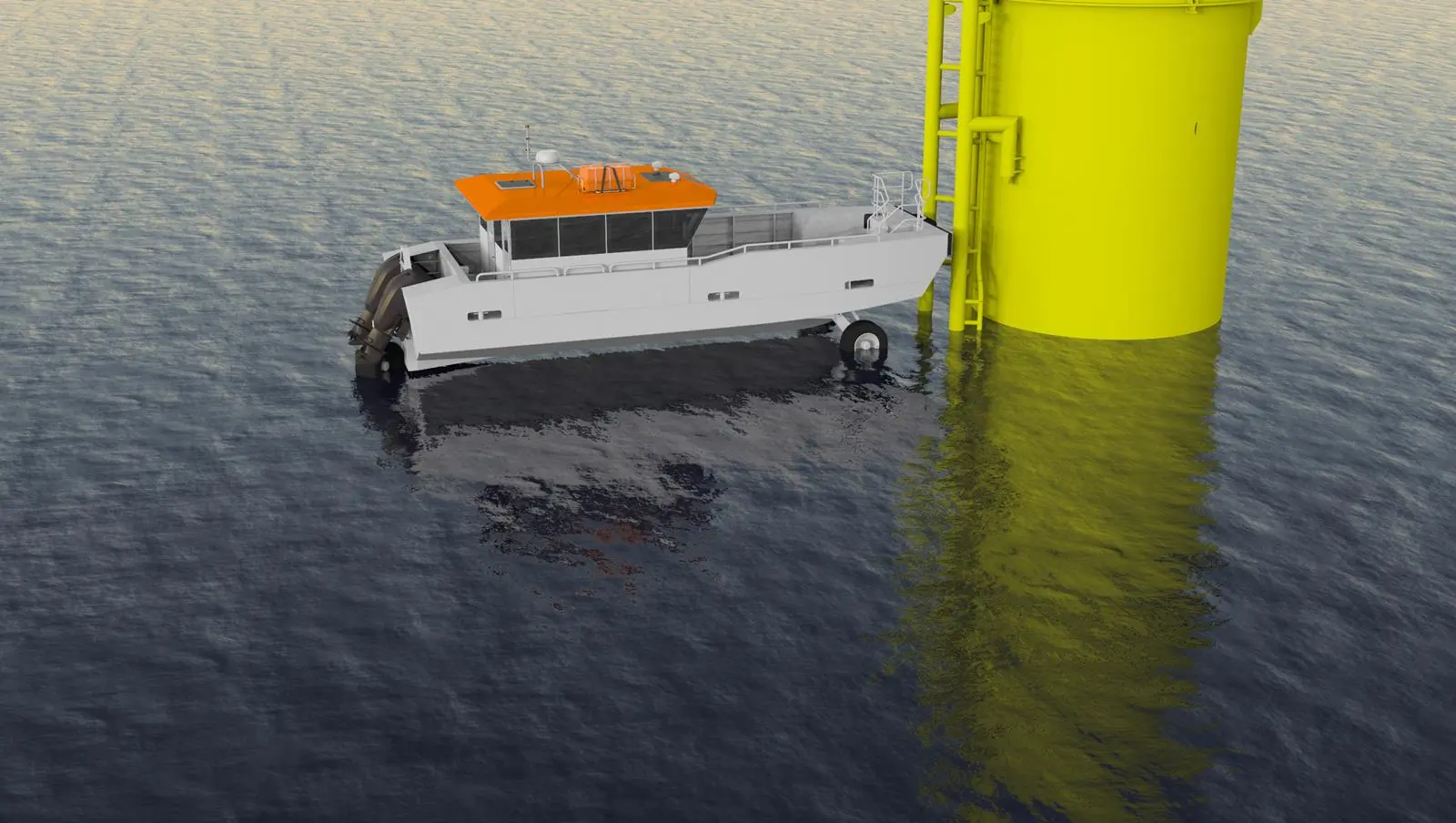
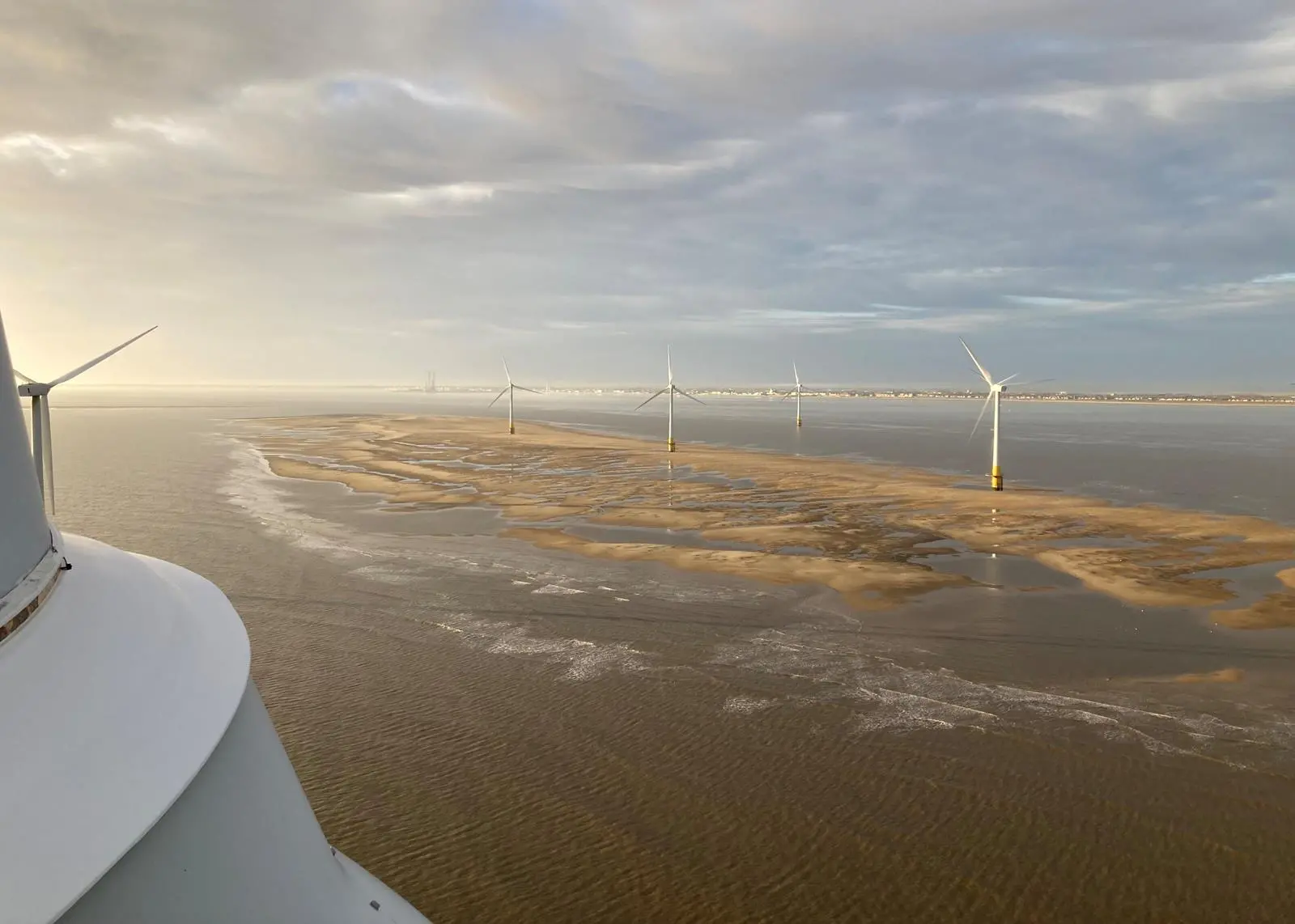
The vessel has initially been designed to reach turbines at Scroby Sands in the UK which have become stranded by the natural rising tide of the sandbank on which the farm is built. The fully seaworthy vessel can also drive on land.
The vessel is to be named CRC Walrus in honour of R.J. Mitchells’ classic 1930’s Supermarine amphibious biplane. It has two wheels at the front and one at the back, and is capable of transferring 10 technicians and two crew to any of the turbines within the array, including on the raised sandbank. CRC Walrus is a 12-meter type approved crew transfer vessel, with a 1000kg deck cargo capacity.
The new vessel was jointly developed by RWE’s Operations team, its Technical Innovation team and its vessel provider CRC, which contracted naval architects Chartwell Marine to carry out the design to the specifications requested. The vessel is now in construction and is being built by Isle of Wight based boat builders Diverse Marine; it will be operated for RWE by CRC, via a six-year contract. CRC signed the build contract with Diverse Marine in December and plan to have the vessel operational at Scroby in September this year.
RWE’s 60 MW Scroby Sands Offshore Wind Farm was one of the first of a group of projects to be built in the UK, and all in coastal locations with relatively shallow waters close to shore. Scroby Sands was built on a prehistoric sandbank and, because of natural changes in the marine environment and coastal erosion, this has risen over time effectively isolating four turbines from being accessed by service vessels.
Related Articles
 PROPULSION
 GENERAL NEWS
 HYDROGEN