



Norden launches carbon-neutral biofuel freight transport
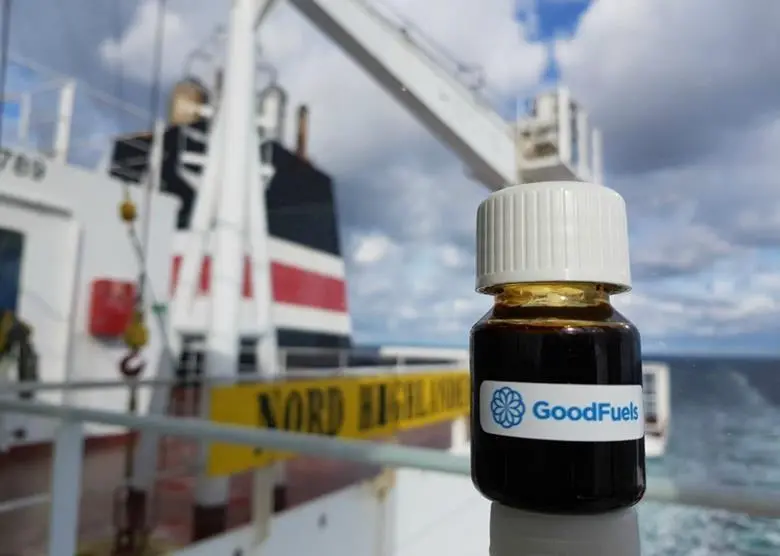
The biofuel sailing is the first in a range of green freight products to be rolled this year as part of Norden’s transition to zero-carbon shipping by 2050.
Norden has secured supply of biofuel made from waste cooking oil and is in discussion with several customers over the first carbon-neutral freight contract.
The advantage of biofuel, over other eco fuels, is that it can be used onboard existing vessels without any modifications to current engine design. Norden aims to scale up the biofuel offering as global production becomes more advanced, and biofuels can be developed from new alternative sources.
“Our ambition is to help our customers reduce carbon emissions in the supply chain. To this end we are very proud to offer an eco-friendly freight transport using pure, carbon-neutral biofuel,” said Adam Nielsen, Head of Logistics and Climate Solutions.
“We believe there is a growing demand for carbon-neutral transportation from our customers – particularly those with ambitious sustainability goals,” added Nielsen. “We are ready to support those customers that wish to take the leap to an environmentally-friendly form of freight transport.”
Norden hasn’t announced the source of the biofuel being used, but back in 2019, the company entered into a partnership with Danish based Kvasir Technologies, a spinout from the Technical University of Denmark with a patented technology to produce fuel from plant material.
Kvasir Technologies focuses on transforming lignin and using it in fuel production. Lignin is often seen as a waste product, discarded without being used, yet easily accessible and found in large quantities, allowing for a high degree of scalability compared to other feedstocks. Unlike most other technologies, the Kvasir method is able to convert both cellulose and lignin into a liquid biofuel product.
Norden provides dry cargo and product tankers services globally and has committed to net-zero emission shipping by 2050 as part of its climate strategy.
Related Articles
 ALTERNATIVE FUELS & LUBRICANTS
 ALTERNATIVE FUELS & LUBRICANTS
 ALTERNATIVE FUELS & LUBRICANTS