



Trials of LR digital twin tool underway
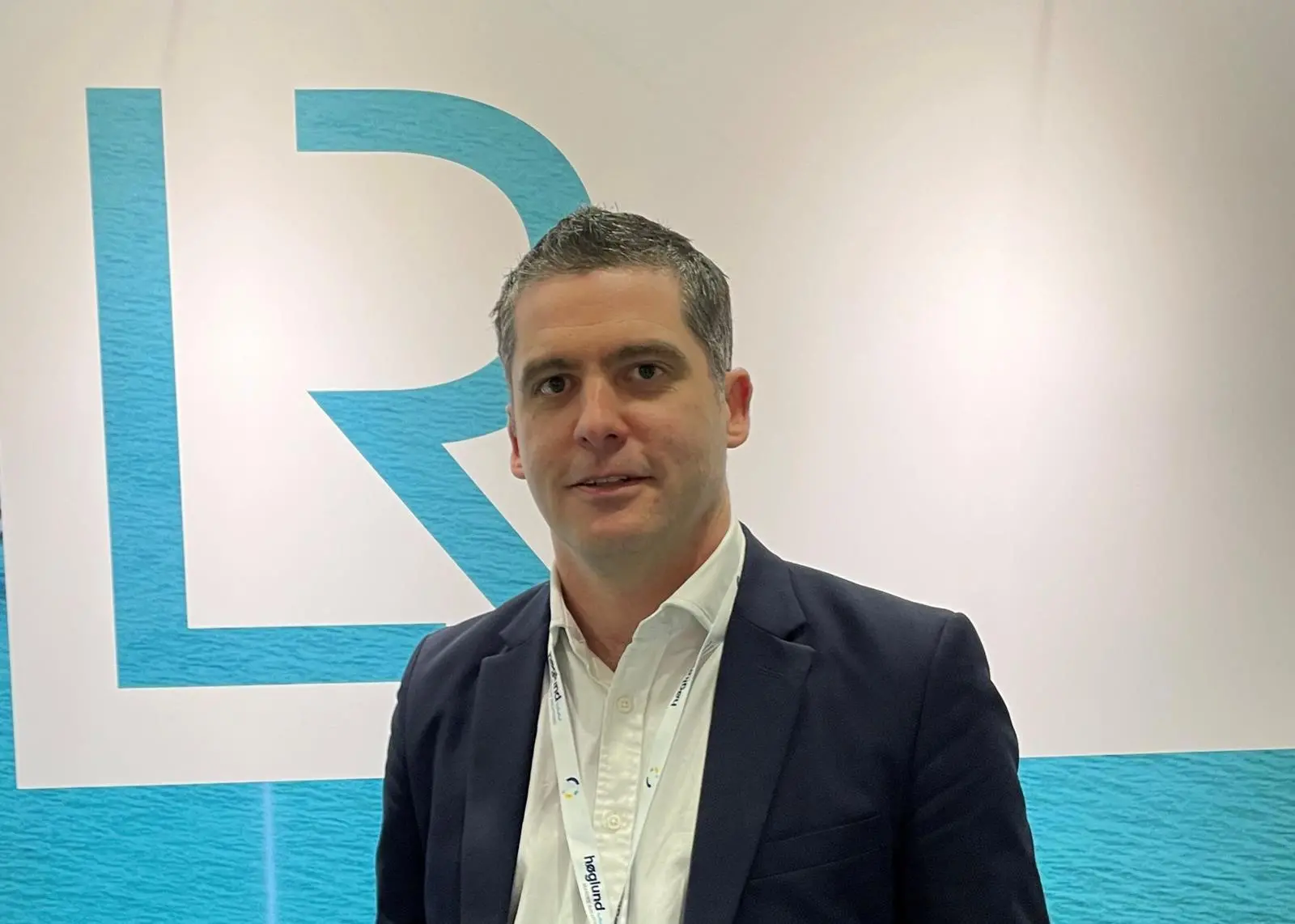
“Trials of the technology are currently underway,” Darley confirmed in an exclusive interview at Nor-Shipping, adding that the solution was likely to be launched before the end of the year.
The digital twin-based solution has been developed by LR drawing on its experience with digital twin solutions in the aviation and offshore and gas sectors, Darley confirmed. LR has been carrying out research into digital twin solutions for a number of years, and sees particular areas where the class society can add value for shipowners.
Unlike current digital twin solutions, which typically are not updated with conversion or repair work after the launch of a vessel, the new LR solution is intended to act as a central repository of component and system level data.
Darley compared the situation with the current highly distributed process of maintaining records on equipment. “The records of inspections of pieces of equipment, carried out by superintendents, managers, surveyors… are maintained across so many spreadsheets, so many pieces of paper at the moment. Just by maintaining this digital representation of your ship would have a value when you come to S&P activity.”
The platform will then be able to incorporate data supplied from assets around the ship. “By building out that digital repository picture with in-service notes and surveys, layered on top of the ship component information that LR gathered from our involvement with the shipyard during construction, will allow us to offer insights”.
One of the immediate focuses will be on the application of machine learning analytics to the data, Darley added. “This will let us start to break down failure periodicity”, opening up the door to advances in predictive maintenance.
Darley cited experience in other industries where predictive maintenance was more widely used. There were also specific advantages to a change in approach for some systems. “We know that there are certain systems that perform better when they aren’t physically opened up repeatedly over time.”
Longer term, the introduction of digital-twin based solutions is expected to contribute to a wider debate around reforms to the current periodic survey and maintenance cycles, which are based on traditional five-year cycles. “From a class perspective, it’s about working with data providers and the IMO to build the case, so that we can start to move away from five-year survey cycles,” Darley concluded.
Related Articles
 ENERGY SAVING DEVICES
 LNG
LNG
 ALTERNATIVE FUELS & LUBRICANTS