



TECO 2030 launches hydrogen tanker concept
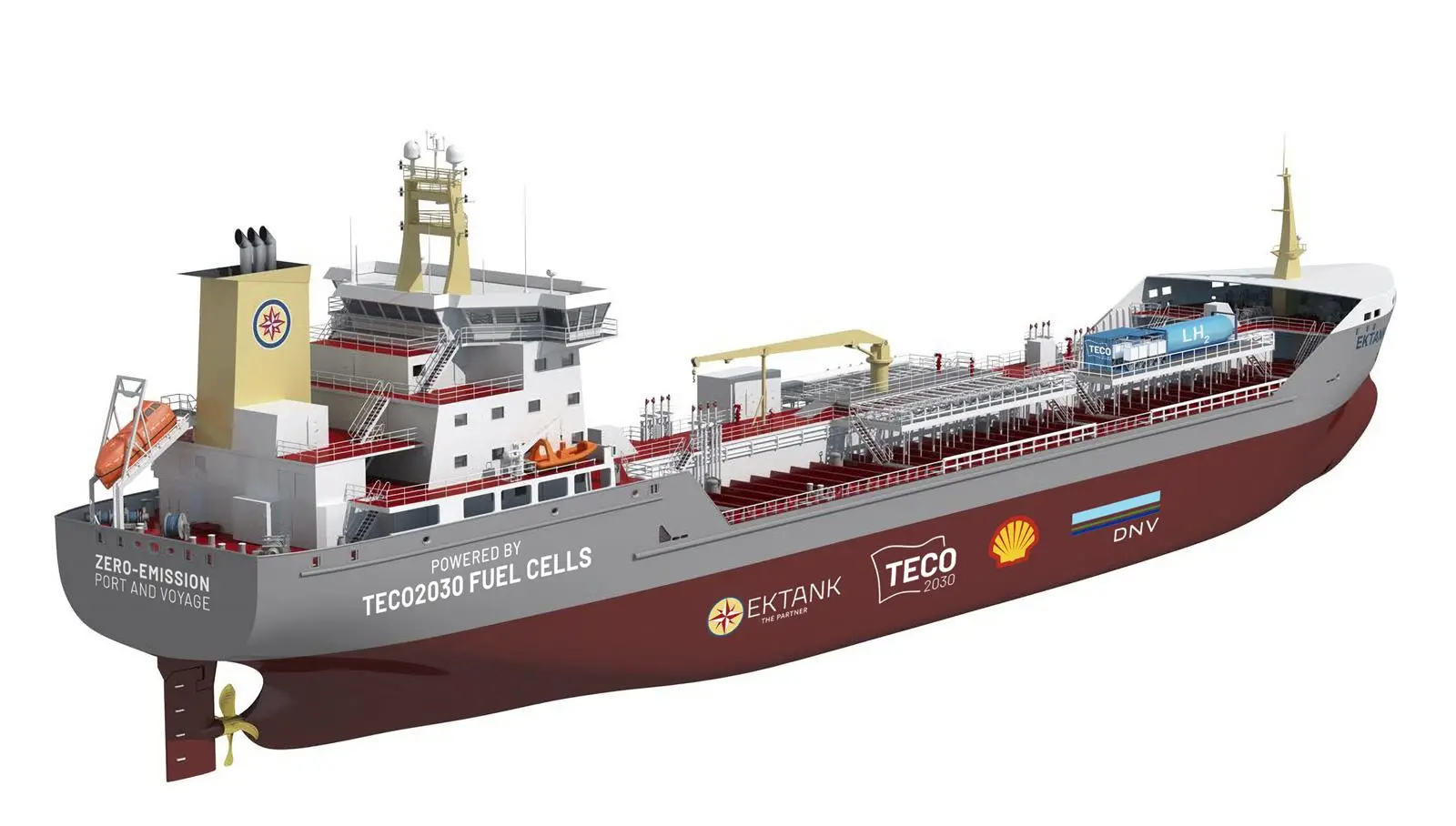
The hydrogen powered tanker will allow zero emission at berth, and up to 100% reduction of GHG emissions during voyages.
The companies anticipate that the concept could become a first mover in this maritime shipping segment and contribute to the developments of achieving the ambitious climate targets committed by the European Union. As part of the European Green Deal, the EU has committed to reducing GHG emissions by 55% by 2030, and a binding target of achieving climate neutrality by 2050. Under the ‘Fit for 55 package’ the EU is currently developing its climate, energy and transport-related legislation to align current laws with the 2030 and 2050 ambitions.
“With a cargo owner, shipowner, classification society, and a fuel cell provider, we will show the world what hydrogen is capable of doing for the maritime shipping industry. Remember it is all about eliminating emissions, and increasing value-adding activities,” says Tore Enger, Group CEO, TECO 2030.
In March 2022, TECO 2030 signed a letter of intent with Norwegian energy company Narvik Hydrogen to cooperate on relevant projects with the aim of developing a complete hydrogen value chain. For the projects they decide to cooperate on, Narvik Hydrogen will provide green hydrogen to be used as fuel for the fuel cells developed by TECO2030.
And in January 2022, TECO 2030 and Gen2 Energy signs a Memorandum of Understanding to cooperate on relevant projects where green hydrogen is needed for fuel cells either in ports, offshore fish farms or other heavy-duty customers. Further, Gen2 Energy will involve TECO 2030 Marine Fuel Cells in Gen2 Energy’s seaborn value chain, allowing hydrogen to be transported onboard vessels powered by hydrogen fuel cells.
The parties intend to work together for soft funding regarding maritime hydrogen applications and develop a complete hydrogen value chain, through the project “Hydrogen Hub Nordland”. Together, the parties will work to develop and establish a functional and effective value chain for hydrogen industry in northern Norway and enabling zero emission sailing along the Norwegian coastline.
Related Articles
 ALTERNATIVE FUELS & LUBRICANTS
 ALTERNATIVE FUELS & LUBRICANTS
 ALTERNATIVE FUELS & LUBRICANTS