



UECC signs up for biofuel tug services
The new partnership will result in a reduction of almost 25% in UECC’s seaborne Scope 3 emissions – covering indirect emissions associated with business operations across IUCC’s value chain. It is estimated that CO2 emissions from UECC’s towage operations at the ports of Esbjerg, Gothenburg and Malmo will be reduced by more than 300,000 kilograms over the term of the agreement with Svitzer.
UECC’s energy & sustainability manager Daniel Gent said: “With this agreement, UECC once again positions itself in front of the market, demonstrating that decarbonisation projects are scalable and available. This project aligns with our own supplier policy, which looks to holistically reduce the environmental impact of our business operation, far beyond regulatory requirements.”
UECC has been using biofuels on its PCTC Autosky over the past two years to cut annual carbon intensity by around 60% and promoting development of a wider bunkering network for this type of fuel that will be further supported by the pact with Svitzer.
Gent underlines there is an increasing commercial incentive to reduce the carbon footprint of ship operations due to upcoming regulatory measures that are set to spur biofuels demand.
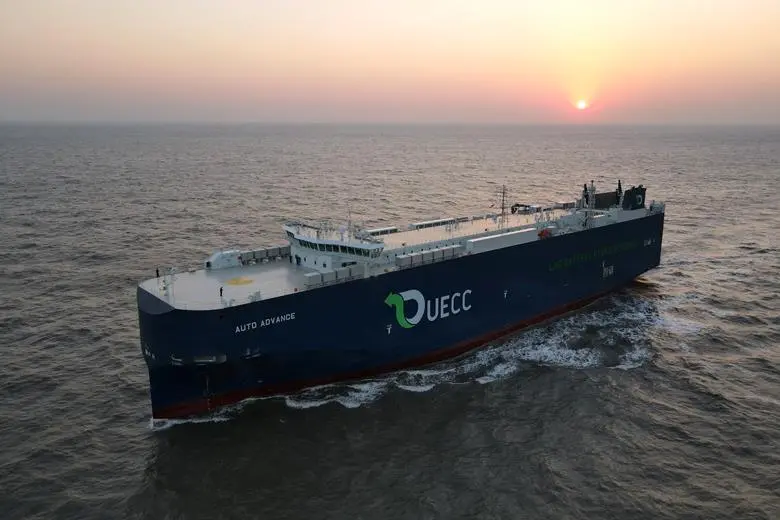
UECC will be among the first shipping companies to exceed the IMO’s 40% carbon intensity reduction target by 2030 through investments in a trio of newbuild multi-fuel LNG battery hybrid PCTCs, as well as the use of alternative fuels such as biodiesel and biogas on existing vessels.
The second of these newbuilds, Auto Achieve, was recently delivered from China’s Jiangnan Shipyard and will start trading this month, with the third vessel due for delivery in autumn this year.
Svitzer recently announced its ambitions to reduce CO2 emissions from its fleet by 50% within 2030 and achieve fully carbon-neutral towage operations in 2040, initially through conversion to biofuels.
Svitzer notes that shipowners will have to meet more stringent environmental performance standards with implementation of the IMO’s Carbon Intensity Indicator from 1 January 2023 and the Fuel EU Maritime regulation due to be phased in from 2025.
Related Articles
 ALTERNATIVE FUELS & LUBRICANTS
 ALTERNATIVE FUELS & LUBRICANTS
 ALTERNATIVE FUELS & LUBRICANTS