



The battle for biofuels heats up
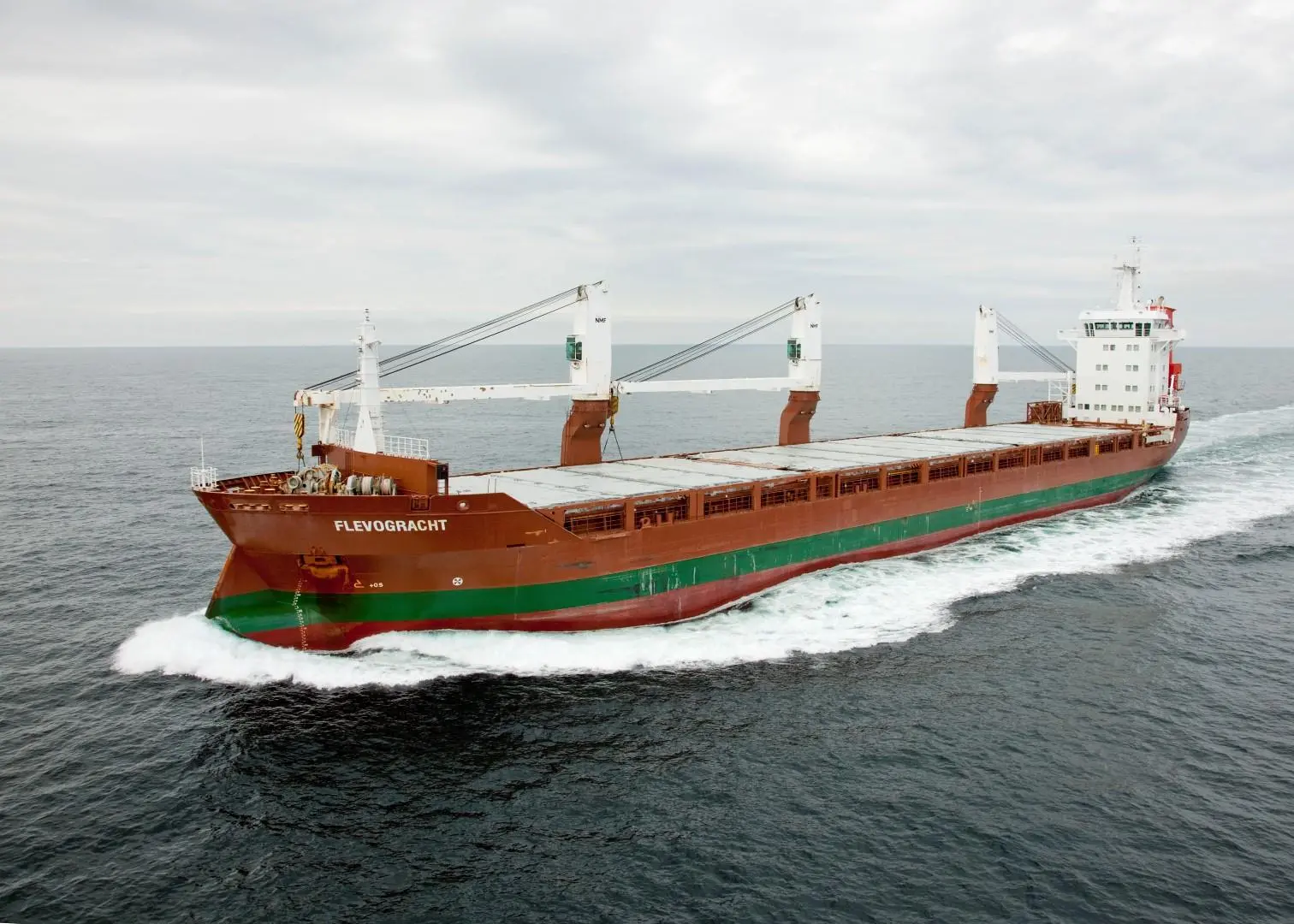
Biofuels are considered to be one of the most technologically ready new bunker fuels. Hyydrotreated vegetable oil (HVO) and fatty acid methyl ester (FAME) are currently available and being successfully used on a drop-in basis by a growing number of ship operators.
These fuels are commonly perceived to be a way of reducing carbon intensity in the short to medium term on the way to transitioning towards future fuels such as hydrogen. However, there is a regulatory and beyond-industry battle going on that could cut their useability in shipping short.
In July, the European Parliament barred the use of biofuel feedstocks, including intermediate crops and palm oil by-products, from Europe’s aviation green fuel mandate (ReFuelEU). This impacts FAME (biodiesel) which can be made from vegetable oils, such as palm oil, soybean oil, and rapeseed oil, and from animal fats and used cooking oil. HVO can be produced from the same feedstocks as FAME as well as residual crops and forestry waste.
On the table at the EU was a proposal that would have expanded the definition of sustainable fuels to include these products, but airlines and green groups pushed back against it. Animal fats, however, still remain included in the definition of what constitutes a green fuel in Europe.
Green group Transport & Environment (T&E) points out that animal fats, a by-product of the animal slaughter process, are used in other industries, which are already experiencing shortages. Palm oil is often the chosen substitute for animal fats, potentially leading to negative impacts on global land use and emissions, as well biodiversity. Aviation policy officer at T&E, Matteo Mirolo, takes the position that: “Sustainable aviation fuels should have no link whatsoever to deforestation, loss of biodiversity and increasing food prices.”
The EU decision could lead to a similar one being made in relation to biofuels for shipping, which would also face supply pressures from the automotive industry which has already taken up ethanol, HVO and FAME.
Unlike the aviation industry, though, shipping is fighting for biofuels, not against them, and one regulatory hurdle has now been removed.
Regulation 18.3 of Annex VI
Meeting IMO sulphur limits is normally not a challenge for biofuels, but the NOx Technical Code has slowed adoption. It has been necessary for ship operators to demonstrate that biofuels do not cause an engine to exceed the applicable NOx emission limit, something that needs to be verified for specific engines and biofuels. This has typically been achieved through laborious onboard emissions monitoring.
However, MEPC 78 approved a unified interpretation of Regulation 18.3 of MARPOL Annex VI in June 2022 that clarifies that fuels with a biofuel content up to 30% fall under the definition of marine fuel oil derived from petroleum refining (Regulation 18.3.1) and no further NOx testing is required. For higher biofuels proportions, it still needs to be verified that the engine is not altered beyond the approved parts and settings of the NOx Technical File (Regulation 18.3.2) or NOx testing is required.

Added to this relaxation of regulation is the success that engine and fuel line equipment manufacturers have had with biofuels. Kai Juoperi, chief expert, engine fluids, Wärtsilä Marine Power, says: “For biodiesel or HVO use, Wärtsilä doesn’t make any changes to engine settings. Thus, shipowners don’t need to worry about this matter at all. Biodiesel and HVO are drop-in-fuels which can be used as such or as a blend with fossil fuels in the existing engines without modifications.”
Biodiesel and HVO are currently the main biofuel types used by the company’s customers, and Wärtsilä is referring to the existing fuel standards, i.e. EN 14214 for biodiesel and EN 15940 for HVO. “All specified fuel properties mentioned in those standards are considered important, but since the quality of those fuel types is good, we don’t normally see issues in the marine or power plant engines being operated on those biofuels,” he says.
“Cold flow properties are not causing issues, since the engines are preheated and even a heater can be installed to fuel system, if so desired. However, it’s important to ensure that the fuel injection viscosity doesn’t become too low.
“Microbial contamination is normally a result of poor maintenance. It’s important to keep the fuel system clean and also regularly drain water from the fuel tanks since the interface between fuel and water is an excellent environment for microbial growth.
“Biofuels have very good ignition and combustion characteristics resulting in no issues in the engine performance. A flash point of HVO can, according to the EN 15940 standard, be min. 55oC which doesn’t fulfil SOLAS and Classification society requirements. Therefore, a fuel purchaser has to require that flash point of the delivered HVO batches is a minimum of 60oC which is a requirement HVO manufacturers are expected to be able to fulfil. Whereas for biodiesel the flash point is not an issue.”
Beware poor oxidation stability
Testing house VPS says that while tested biofuels have shown fuel quality characteristics to be generally of good standard so far, one of the key challenges is poor oxidation stability which causes the biofuel to biodegrade over time, potentially causing sludging of engines, fuel injectors and filters. VPS has seen differences in the performance of marine biofuels relating to this important characteristic, which can be measured by testing specific parameters. VPS advises testing all biofuels for ISO8217 parameters and an additional test slate to measure other parameters, to confirm the fuel quality prior to use. In the case of FAME blends, VPS recommends confirming prior to blending that the FAME meets ISO14214.
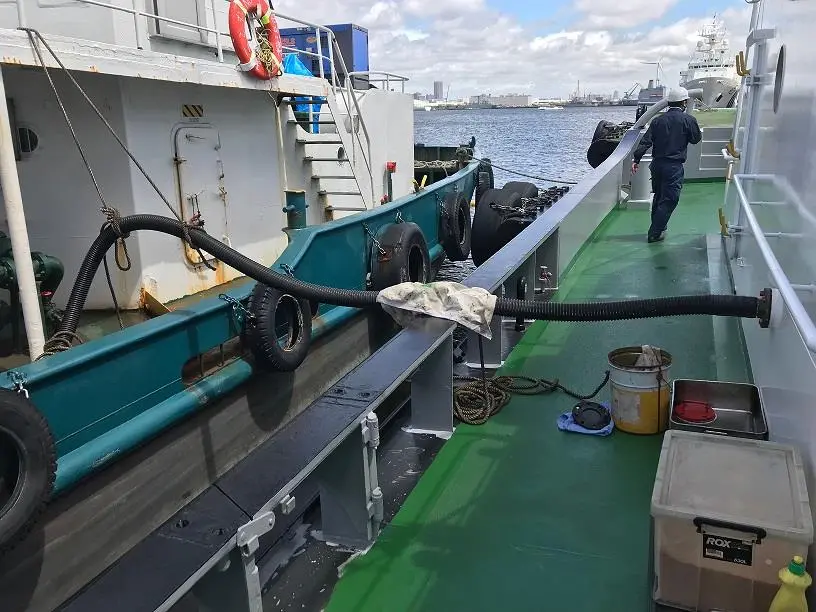
With the good performance shown in tests to date, shipowners and fuel suppliers are no expanding their onboard testing to 100% biofuels. For example, NYK and Shin-Nippon Kaiyosha have started testing Neste Renewable Diesel supplied by Itochu Enex in tugboats. The fuel is a 100% renewable fuel product manufactured from waste cooking oil and animal oil that would not be used by the food industry.
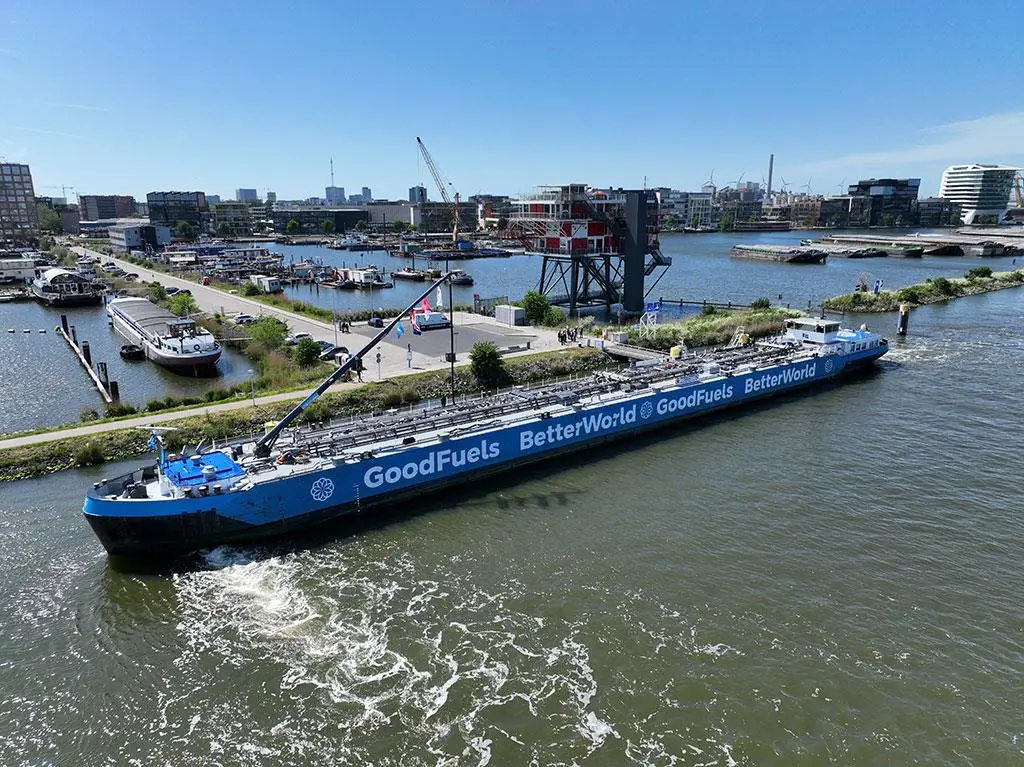
Spliethoff Group first trialled a blend of 50% FAME and 50% conventional HFO before testing 100% biofuel supplied by GoodFuels. Bart Hellings – Chief Operating Officer / Chief Technology Officer, GoodFuels, says the company is seeing an increase in the general volume of biofuels being delivered and an increase in the number of shipowners who are gaining experience using biofuels on their vessels. “This is significant, because it means the fuel has moved from being the preserve of pioneers, to a solution for owners and operators who want to get ahead of the curve for when regulations come into force.”
More vessel types are using biofuels, and there has been an emerging geographical expansion over the last two years as well, he says. It’s not just a European phenomenon. “We see demand growing around the world, which helped to justify our strategic decision to open an office in Singapore.”
GoodFuels focuses on sampling, testing and quality control. “If we do blend biofuel with fossil fuels, we will always test for compatibility of these blends before we make them, and again before we supply them to the client,” says Hellings. “Both our 100% biofuel products as well as our blends will never perform less well than fossil fuels and will often even perform better because we have strict feedstock and product selection criteria and a strict quality control approach.”
Maintaining trust is paramount. “This is an embryonic market, and regulations and standards are not fully in place yet. We need to build and rely on mutual trust, and successfully executing this approach is what has let us move from working with environmentally minded pioneers to a wider subset of progressive owners and operators.”
Biofuels can enable an 80-90% reduction in CO2 when measured on a well-to-wake basis, and strict environmental criteria are set. The feedstocks sourced to produce GoodFuels’ marine biofuels cannot compete with food production or cause deforestation. “GoodFuels only works with renewable feedstocks that are labelled as pure waste and residue and cannot be used for any higher quality application or recycling. This means that they are regarded as truly sustainable and approved by GoodFuels’ independent sustainability board.”
Fresh out of Singapore
It’s an issue that is at the heart of the US$18 million project led by the Global Centre for Maritime Decarbonisation (GCMD). The project’s 18 industry partners will establish an assurance framework for ensuring the supply chain integrity of current and future green marine fuels. The pilot project began in August 2022 and is expected to take 12 to 18 months to complete. The shipowners, charterers and operators participating represent approximately 2,300 vessels across the container, tanker and bulker segments, and are responsible for transporting 8.4 million TEUs or 80.6 million dwt globally. The vessels involved are all equipped with MAN ES’s two-stroke engines.
With 12 vessels bunkering at three ports across three continents, the learnings from the route-based pilots will support the green corridors framework that was put forth by the Clydebank Declaration at COP26 in October 2021, of which 24 states are signatories including Singapore, the Netherlands and the US where bunkering ports will participate.
Track and Trace
A first-of-its-kind in extent and complexity, the pilot aims to build on the experience gained from past biofuel trials. Participants will start with fuel blends involving existing biofuels, such as HVO and FAME blended with either very low sulphur fuel oil (VLSFO), high-sulphur fuel oil (HSFO) or marine gas oil (MGO). The blends will contain up to 30% biofuels.
Using BunkerTrace’s digital and synthetic DNA tracing products to track marine fuels from production to vessel propulsion, the pilot will validate the authenticity of sustainable biofuels through molecular verification tests conducted on fuel samples that are collected at numerous identified points along the supply chain. Hence, the pilot will address traceability of drop-in biofuels from production, distribution, transportation, storage, and bunkering to shipboard application, providing end-to-end supply chain transparency.
“A variety of biofuels and biofuel blends have already been successfully tested, but this comprehensive pilot can help address remaining uncertainties about how these fuels work in practice by getting extensive end-user operational experiences,” said Unni Einemo, Director of the International Bunker Industry Association (IBIA). “Biofuels have the potential to help the existing fleet meet IMO’s GHG reduction targets by taking lifecycle emissions into account, but one of the challenges will be certification of product origin as the sustainability of biofuels can vary significantly depending on production pathways.

“Biofuels can be blends coming from feedstock with different sustainability profiles, so it will be interesting to see if the DNA tracing will show mainly single-source origin products or biofuels of multiple origins. This could give us some really useful insights into the complexities of documenting the full supply chain of fuels, which will become increasingly important.”
Testing laboratories will evaluate the biofuels and biofuel blends, and this understanding will be shared, as GCMD also participates in the work of the Singapore Standards Council’s Chemical Standards Committee in developing national standards for the bunkering industry.
Testing these fuel blends across the container, tanker and bulker segments travelling on fixed and tramp routes and bunkering at the ports of Singapore, Rotterdam, and Houston under business-as-usual conditions will demonstrate the compatibility and stability of biofuels in actual operating environments, thereby strengthening the overall robustness of the assurance framework.
GCMD will use the project to trial the use of crude algae oil (CAO) as a marine fuel. CAO is a third-generation biofuel that promises substantially reduced carbon footprint, but unlike HVO and FAME, its utility has not been tested nor its supply chain established.
Pyrolysis and hydrothermal liquefaction
Shipping’s range of biofuels may end up being diverse, and the industry could also develop its own dedicated biofuels using processes such as pyrolysis and hydrothermal liquefaction, said Frederic Meyer, Strategy & Projects Director at TotalEnergies Marine Fuels at a recent conference. This would protect costs and ensure the most sustainable feedstock is used.
And competition from other industries for the supply of biofuels may not be as fierce as expected given EU, UK, China and Japan are considering banning the sale of passenger vehicles running on petrol and diesel next decade. The obvious alternative is to use electric powertrains instead, an option unlikely to be suitable for much of the shipping industry in that time frame.
It looks likely then that the future of shipping will remain tied to combustion engines and most likely a mix of biofuels.
Related Articles
 ALTERNATIVE FUELS & LUBRICANTS
 ALTERNATIVE FUELS & LUBRICANTS
 ALTERNATIVE FUELS & LUBRICANTS