



DNV awards AiP to digital twin ship system
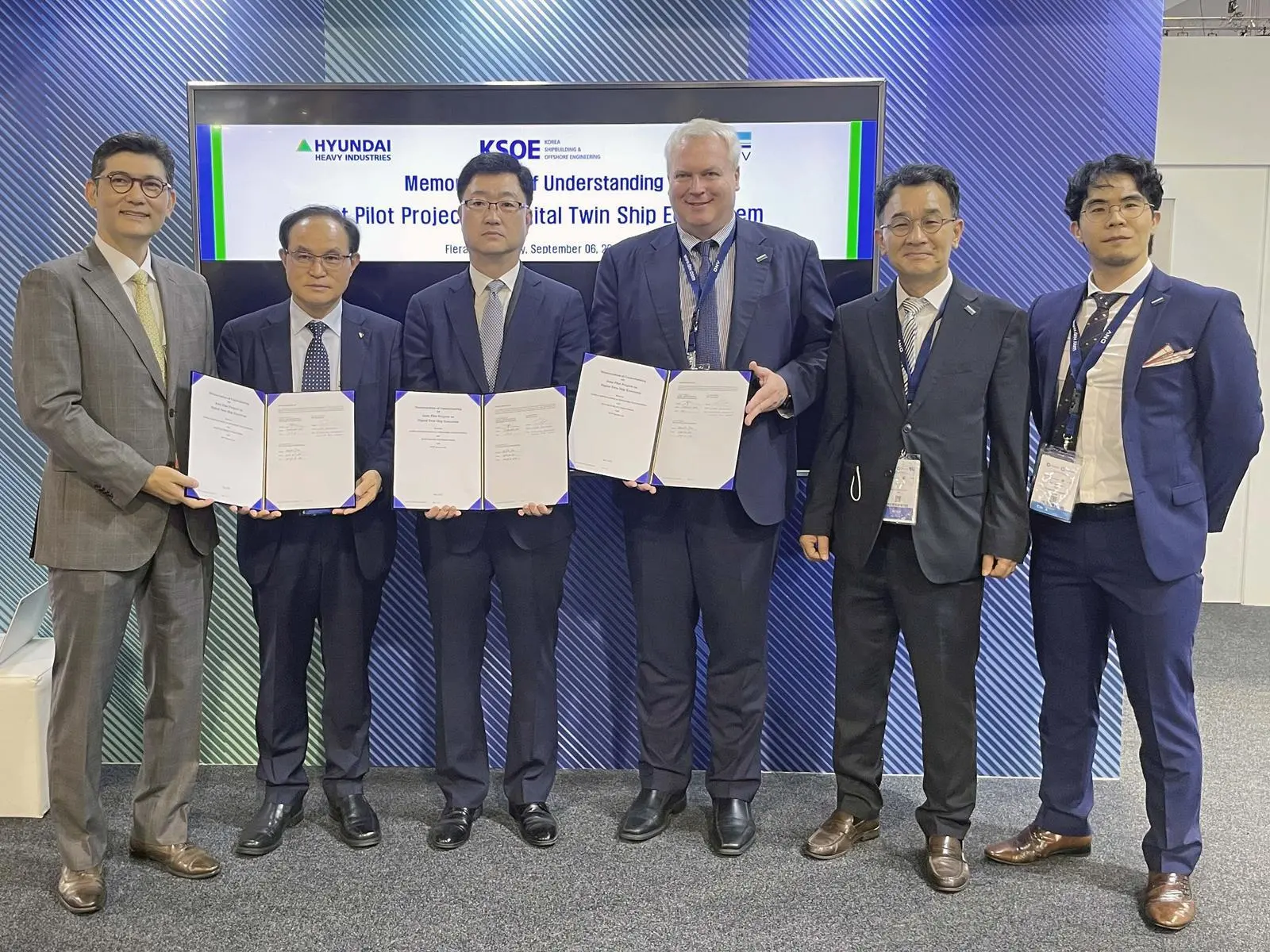
The software system, HiDTS, was developed specifically for 174,000cbm LNG carriers.
The AiP verifies that it meets the requirements of DNV’s Data-Driven Verification (DDV) class notation of Power Management System (PMS) with the Digital Twin (DT) qualifier. With the DDV class notation, the testing of the PMS system can be performed via a digital twin more conveniently and extensively without a surveyor having to attend physically. Also, using a digital twin enables test run activities and automatically harvests secure and reliable data on the PMS’s behaviour. The surveyor can then verify this data using a digital playback application.
The DDV class notation sets the requirements for gathering, treating, and delivering collected data to ensure data quality in a class assessment. This means that for the specified systems, the verified data can be used in the certification and classification of those systems in maritime and offshore vessels.
The notation enables the crew to perform secure and tamper-free data harvesting. Compared to traditional paper-based test reports, the body of evidence represents accurate and detailed documentation of test activities, which can be revisited for as long as the data is stored. In addition, the notation covers several verification methods, including digital survey appliances and self-verifying systems.
Korea Shipbuilding & Offshore Engineering (KSOE), Hyundai Heavy Industries (HHI) and DNV will now deepen their cooperation with a new MoU to assess the usability of digital twin and autonomous technologies which can be applied to large commercial marine vessels, including rules and regulations compliance.
“We have been accelerating commissioning technology using digital twin since the 2017 opening of our Hardware-in-the-Loop Simulation (HILS) Center. Virtual commissioning based on HILS technology is a good way to reduce the risk of errors and delays. We will further strive for advancing technologies that improve safety and cost savings,” said Sung Joon Kim, CTO at KSOE.
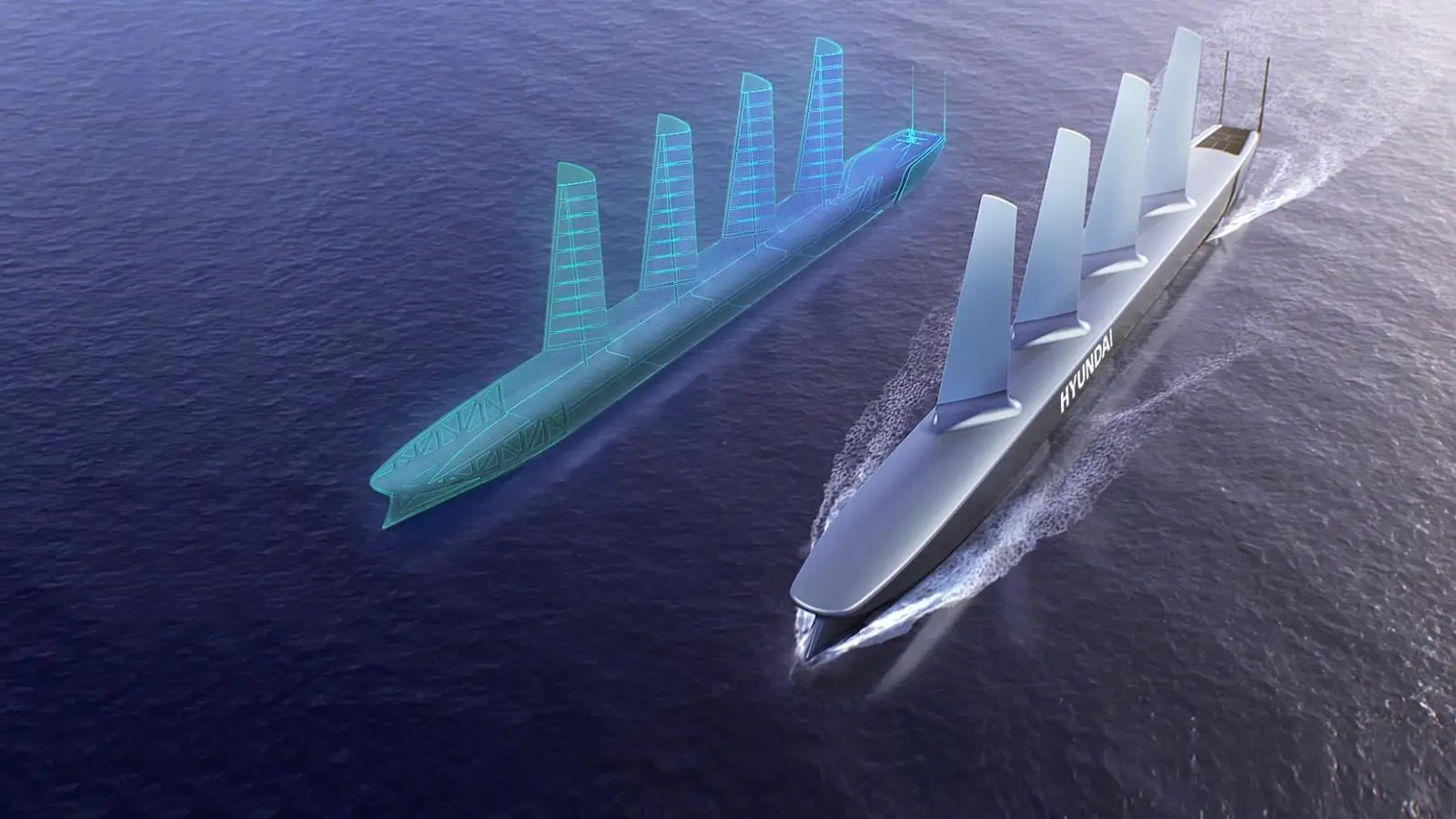
“It is a meaningful step forward for advanced future digital ships which surpass current smart ships. We believe our own digital twin technology will contribute to global decarbonization efforts as well as to the realization of autonomous ships. Furthermore, the cooperation with DNV will reduce time and cost to provide these high-tech ships to customers,” said Won Ho Joo, CTO at HHI.
Related Articles
 ENERGY SAVING DEVICES
 LNG
LNG
 ALTERNATIVE FUELS & LUBRICANTS