



Consortium explores CCUS in Singapore
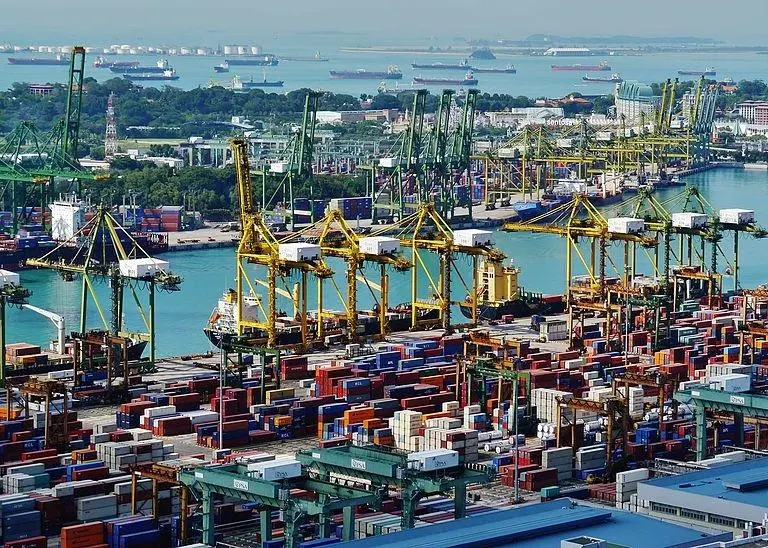
The consortium intends to research, test, and develop technological, logistical, and operational solutions for CCUS in Singapore. It will look to provide industry-wide CCUS integrated infrastructure, primarily to support the energy and chemicals sector, by capturing and aggregating CO2 from large industrial emitters at a centralised collection facility.
The CO2 could then be used to make plastics, fuels, and cement or transported through either pipelines or ships to suitable reservoirs in the Asia Pacific region for sequestration in deep underground geologic formations.
Chua Yong Hwee, Executive Director (New Energy), Keppel Infrastructure, said: “Hard-to- abate sectors need to leverage technology and innovation to transit towards net zero CO2 emissions. Keppel Infrastructure is well-positioned to support efforts to decarbonise key sectors, given our experience as a leading developer, technology solutions provider and operator of energy and environmental infrastructure in Singapore and the region.”
Singapore plans to capture at least two million tonnes of CO2 by 2030 as part of its efforts to make the Jurong Island oil refinery hub more sustainable, and in other developments Keppel Seghers the environmental technology and infrastructure unit of Keppel Infrastructure, and the National Environment Agency (NEA) agreed to jointly study the feasibility of carbon capture at Singapore’s Waste-to-Energy plants.
Globally, the International Energy Agency has estimated that annual carbon capture capacity needs to increase to 1.6 billion tonnes of CO2 by 2030 to meet the target of net-zero emissions by 2050. However, a recent study by the Institute for Energy Economics and Financial Analysis indicates that carbon capture projects may not cut global carbon dioxide (CO2) emissions. It claims that many carbon capture projects have underperformed or failed, and that captures CO2 may leak back into the atmosphere. Also, much of the CO2 that is captured is being used to extract more oil from oil fields, which contributes to more CO2 emissions.
Related Articles
 CARBON CAPTURE
 CARBON CAPTURE
 ALTERNATIVE FUELS & LUBRICANTS