



Stena Bulk to demonstrate shipboard carbon capture at scale
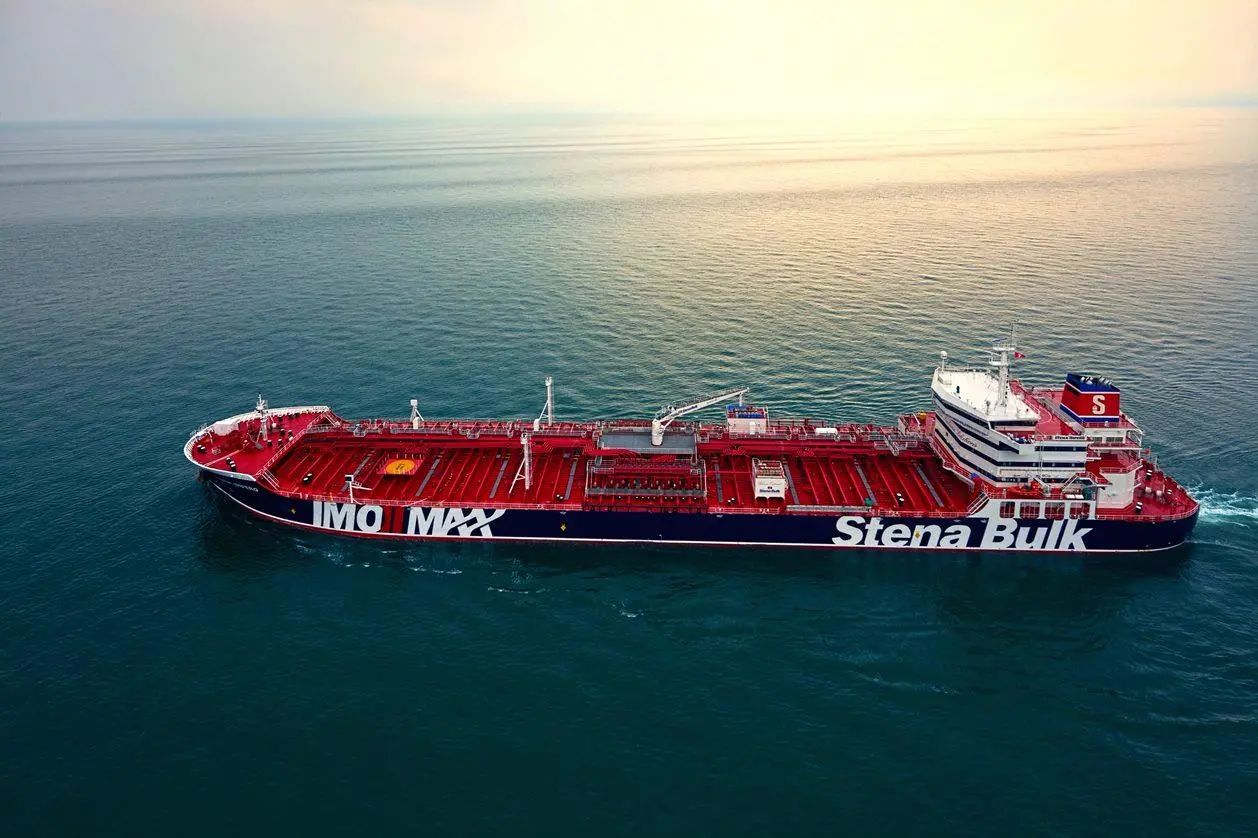
Together with Alfa Laval, ABS, Deltamarin and TNO, they will investigate onboard capture and storage, as well as offloading of captured CO2, claiming that project REMARCCABLE (Realising Maritime Carbon Capture to demonstrate the Ability to Lower Emissions) is the world’s first project aimed to demonstrate end-to-end shipboard carbon capture at scale.
In the largest project of its kind, targeting at least 30% absolute CO2 capture, or approximately 1,000 kg/hr of capture, the seven-member consortium will build and test a marine carbon capture system onboard a Stena Bulk medium range (MR) tanker to assess the operational challenges of running such a system on a ship at sea.
Project REMARCCABLE will use non-proprietary equipment and processes, so results can be shared broadly and publicly to maximise learning and encourage further technology development. The project also aims to establish a pathway to reduce the cost of CO2 capture to 150 €/tCO2 or lower to allow the technology to be commercially deployed in future.
Project REMARCCABLE comprises three phases and is inspired by a feasibility study that was carried out and completed by TNO on behalf of OGCI and Stena Bulk in November 2021.
The first phase involves conceptual design and front-end engineering design study (FEED) of the carbon capture system; this study is ongoing and is expected to be completed in the first quarter of 2023.
Following the successful completion of phase one, and once consortium partners provide their backing, a second phase encompassing the engineering, procurement, and construction (EPC) of a prototype shipboard carbon capture system, including onshore commissioning, will be initiated.
Phase three will focus on integrating the carbon capture system with the identified MR tanker and conducting sea trials. Concurrently, GCMD will be issuing an Invitation for Proposal (IFP) to study the challenges and address the needs to operationalise offloading of LCO2. The findings from the offloading study will inform the pilot in phase three of Project REMARCCABLE.
An MR tanker was chosen for the project as vessels of similar size are estimated to emit 17% of shipping’s total CO2 emissions. The initial demonstration will involve over 500 hours of capture of the exhaust from burning high-sulphur fuel oil (HSFO) or very-low sulphur fuel oil (VLSFO) and will include offloading of captured and liquefied CO2 at ports along the route of a 10-day deep-sea voyage. Following a successful test phase, Stena Bulk will retain the carbon capture system onboard.
With an offtaker for the captured CO2 identified, Project REMARCCABLE will cover onboard capture and storage, as well as utilisation and/or sequestration to account for CO2 emissions reduction from ship to shore. This will make it the only pilot demonstrating shipboard carbon capture across the full value chain.
The companies say that projections indicate that 85% of the fuel mix for two-stroke engines will remain fossil-fuel based by 2030 and 34% by 2050. Shipboard carbon capture can help reduce GHG emissions of current vessels, with the possibility of recycling captured CO2 to produce alternative fuels.
While carbon capture technologies have been successfully used by OGCI’s member companies to reduce CO2 emissions from power plants and industrial operations, their use in the shipping industry is still in development.
The success of Project REMARCCABLE has the potential to accelerate commercial deployment of shipboard carbon capture technology within the next five years, providing MR tankers and other vessels of similar size a mid-term solution to cut GHG emissions.
Related Articles
 CARBON CAPTURE
 CARBON CAPTURE
 ALTERNATIVE FUELS & LUBRICANTS