



Shell approval for MEG protective coating
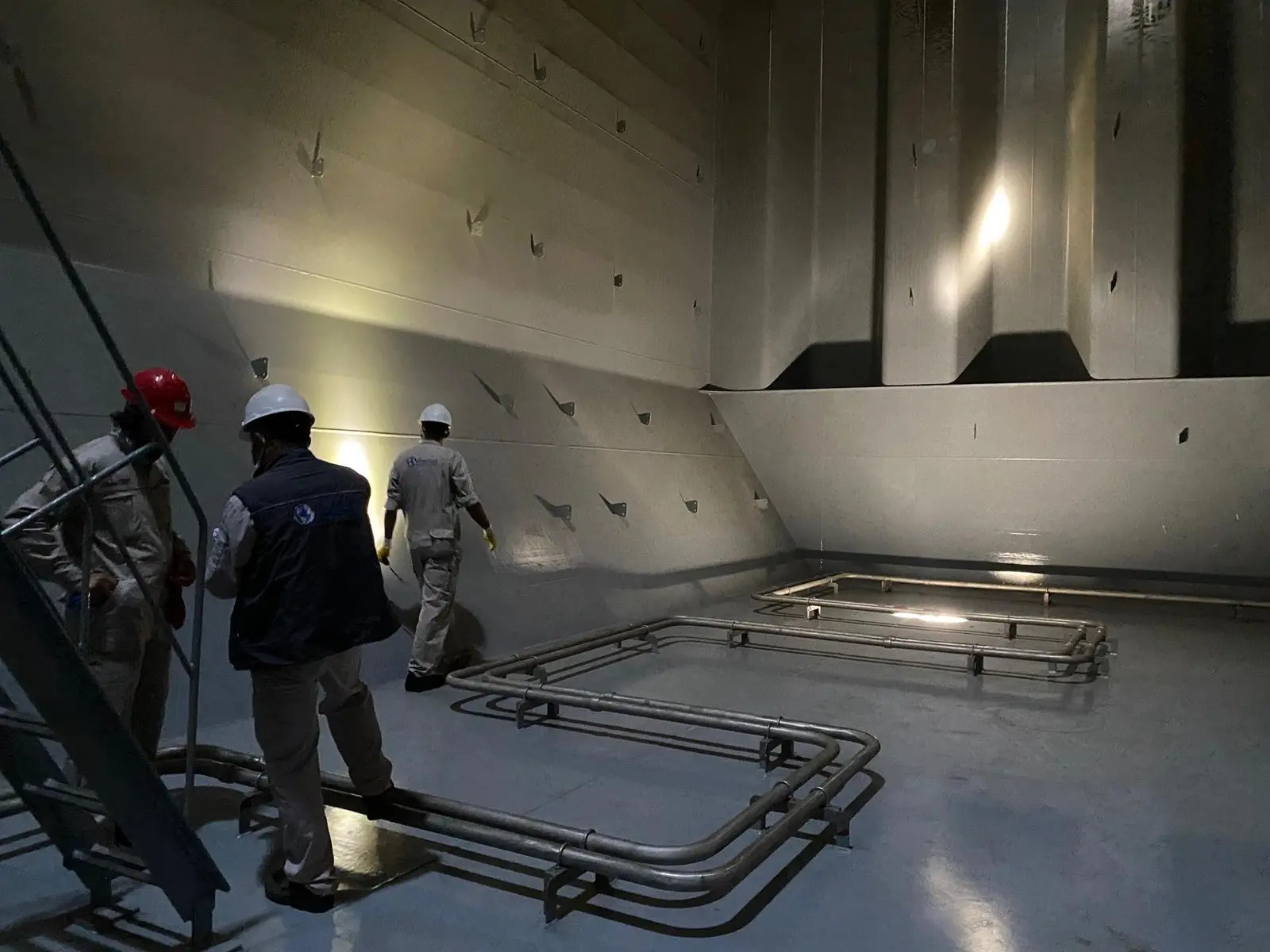
American manufacturer Advanced Polymer Coating’s (APC) MarineLINE ship tank coating system has become the first protective lining to be approved onto Shell’s Cargo Handling Sheet to transport monoethylene glycol (MEG).
“We are grateful to Shell for giving us this opportunity to demonstrate MarineLINE’s capabilities,” he said. “The testing, which was independently verified by the quality assurance company Intertek for Shell, showed it is MarineLINE’s low absorption characteristics that enable it to transport these two chemicals without cross contamination,” said Captain Onur Yildirim, marine manager, APC.
Rigorously tested
Captain Yildirim said the approval follows a rigorous nine-month study. He said the laboratory tests undertaken by chemists at APC and Shell proved that a coating can transport a cargo of benzene followed by a cargo MEG without cross contamination.
The testing showed it is MarineLINE’s low absorption characteristics that enable it to transport these two chemicals.
”We tested for benzene as it is a cargo that can absorb easily into tank linings. But the MarineLINE performed robustly and did not absorb the benzene which ensured the MEG cargo’s purity. This underlines why MarineLINE is unique in the coatings market for its ability to transport highly aggressive chemicals without absorption enabling operators to switch grades frequently,” said Captain Yildirim.
Previously, under Shell’s Cargo Handling Sheet, which are used for vessels chartered on behalf of Shell, tanker operators were not allowed to load MEG into lined tanks due to risk of contamination. As a result only tankers with stainless steel tanks could transport MEG.
Related Articles
 PROPULSION
 GENERAL NEWS
 HYDROGEN