



First Oceanbird Wing Sail retrofit on LCTC in 2024
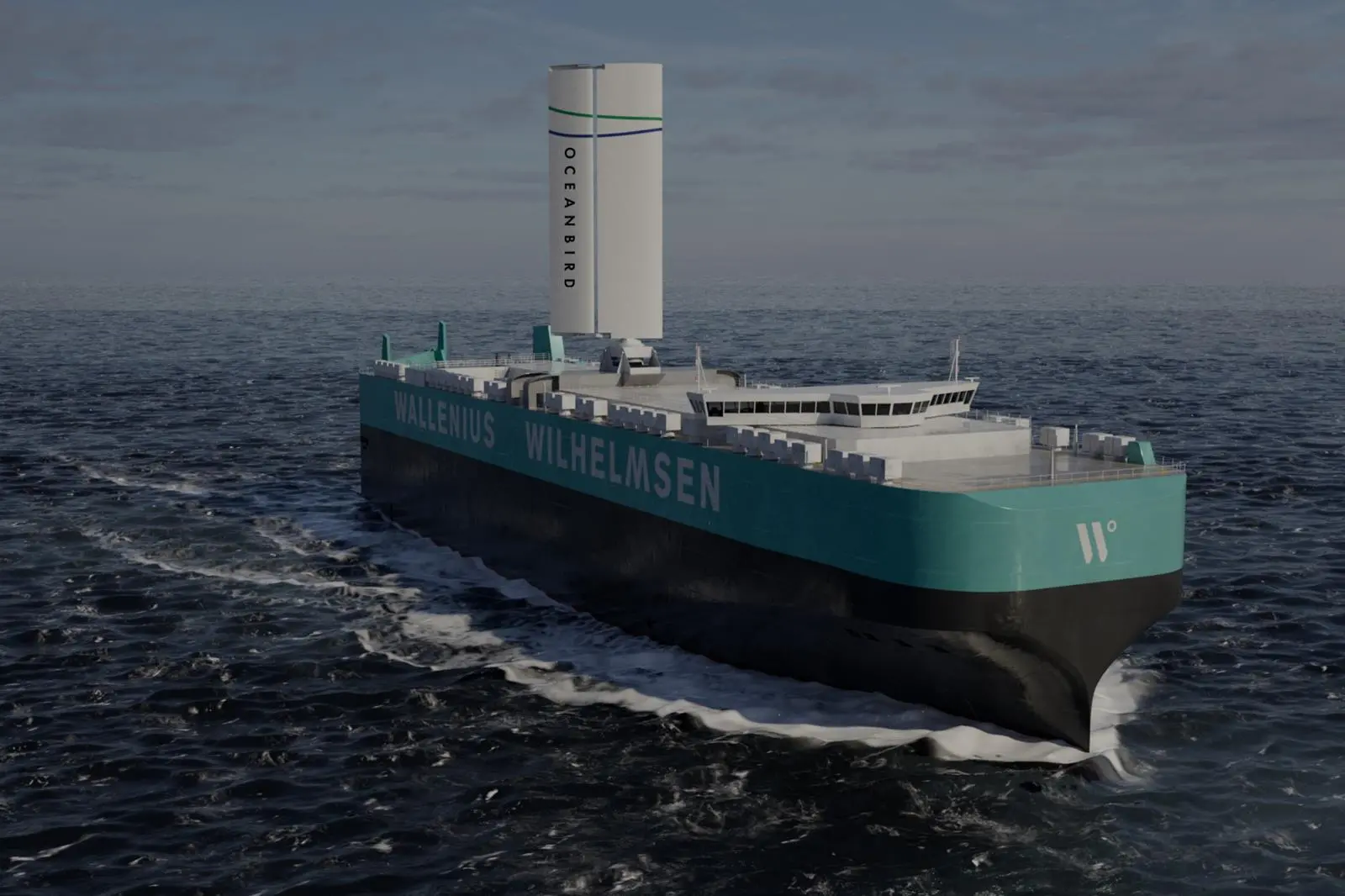
Speaking at a press event in London on 26 January, Oceanbird’s managing director, Niclas Dahl announced that he expected the wind-assisted propulsion solution to achieve fuel efficiency savings of 7-10% on favourable transatlantic routes.
The 150 ton, 40 metre high, 14 metre wide fixed wing incorporates a main sail and a flap, allowing the wing to optimise the aerodynamic forces. “The solution will be effective sailing into headwinds at angles of up to 10 degrees,” Emil Kotz, Technical Manager, Oceanbird told The Motorship.
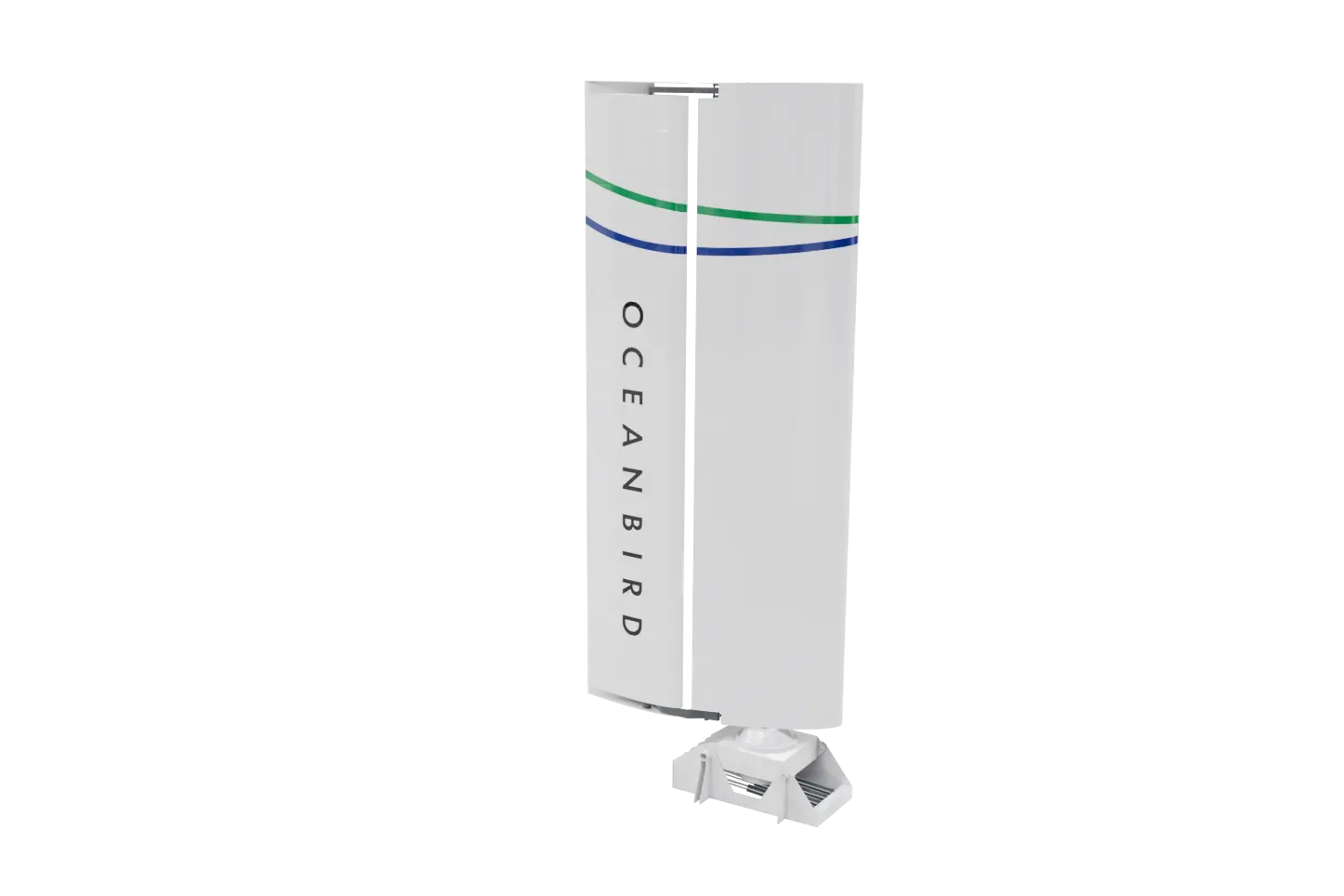
As a result, the design of the wing sail will be able to produce propulsive forces while operating in a variety of wind directions.
Before the first installation on the vessel is completed, the test rig will undergo testing at a test location in 2023.
“The optimisation of the management of the wing sail solution in operation will be one of the research areas during the stationary tests in 2023. The wing will be fully automated to always have an optimal angle of attack,” Kotz added.
In parallel with the terrestrial testing, Oceanbird is expected to work with classification society DNV to obtain type approval for the wing sail’s design.
The first retrofit installation of the wing sail is expected to act as a significant boost for Oceanbird towards bringing its Oceanbird wind power technology to market. The company is also likely to consider offering the solution, as the Wing Sail retrofit solution was expected to be equally applicable to other large vessels, such as tankers and bulkers.
A particular competitive advantage of the solution was expected to be the folding deployment system that was being integrated into the design of the wing sail, Kotz mentioned. This would make the solution potentially suitable for operators for whom air draft was an operational constraint, and would also allow the solution to be placed in a horizontal position during adverse weather conditions. The Motorship notes that this will also make the solution suitable for vessels in the bulker segment that require complex cargo operations.
The company announced in early January that a consortium of 11 partners had received a grant of EUR9 million from the EU’s Horizon fund, as a contribution towards the cost of launching the first wind-powered PCTC, Orcelle Wind. The consortium has a strong Swedish representation, and includes a number of research and academic partners that participated in a three year research project funded by the Swedish government that concluded in 2022.
Oceanbird’s managing director, Niclas Dahl, confirmed that the 220-metre 7,000 ceu Orcelle Wind PCTC project was also on track, and that the vessel was expected to be completed by 2026.
Related Articles
 ENERGY SAVING DEVICES
 ENERGY SAVING DEVICES
 AMMONIA