



Business models to influence tech choices: viewpoint

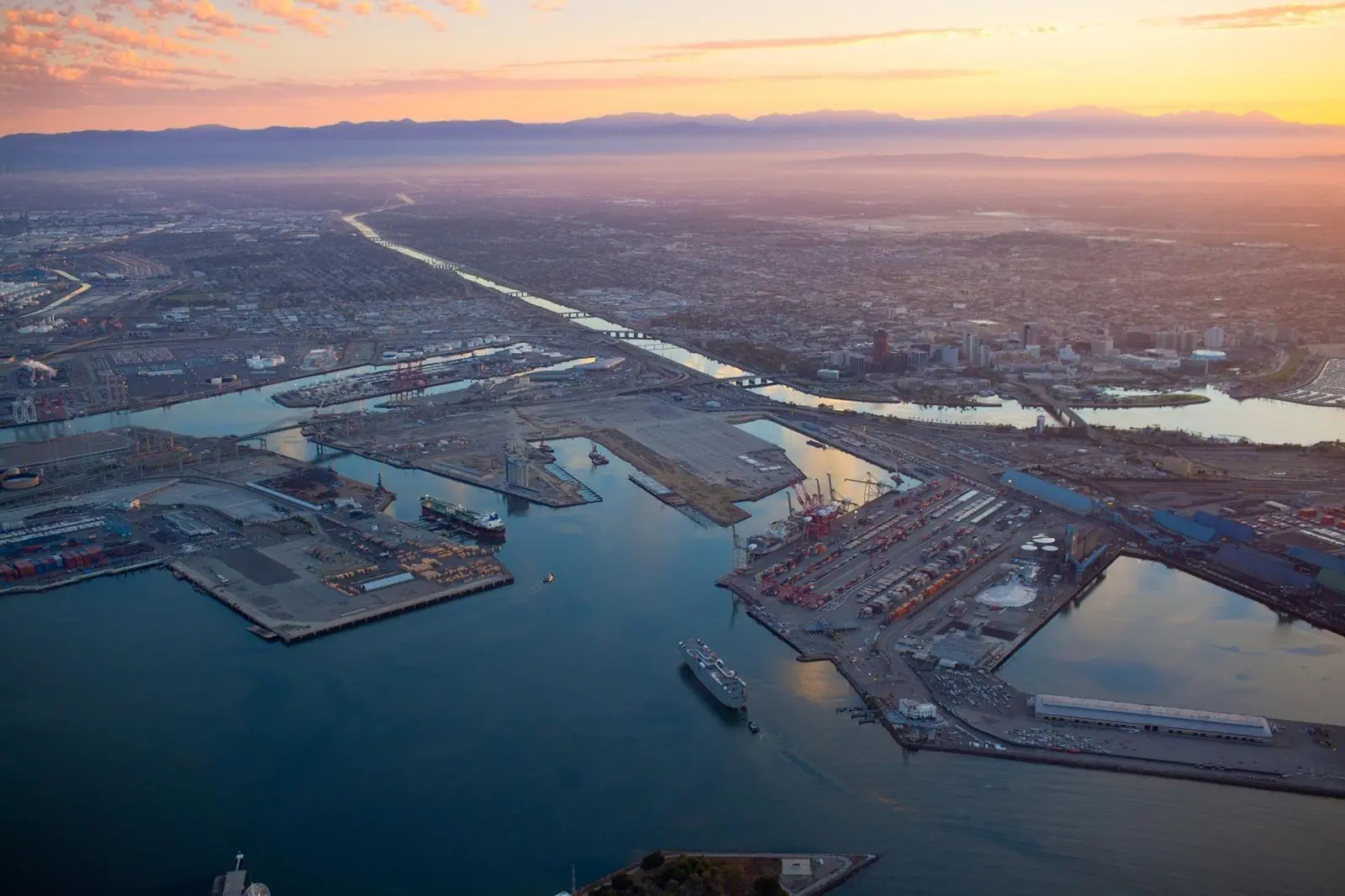
Shipowners should be under little illusion about the determination of regulators outside the maritime sector to require greater decarbonisation efforts from the industry. Emissions controls for the California Air Resources Board (CARB) at berth regulations will be extended to car carriers and tankers (calling at the Ports of Los Angeles and Long Beach) from January 2025, while we report that the EU has reached a preliminary agreement on extending the EU’s emissions trading system (ETS) to the maritime sector from 2024.
These regulations will require owners to invest to ensure compliance. Roger Strevens, VP of Sustainability at Wallenius Wilhelmsen noted that the ship owner and operator had examined the impact of such regulations, and identified that every vessel in its fleet would call at California within the course of a two year period.
While the immediate effect of the regulations on the tanker market may be less all-encompassing, it will need to be taken into account by tanker operators, particularly as the European Commission is understood to be considering cold-ironing requirements to the tanker market in a future development of the ETS rules. However, the differences between the liner models in the PCTC and the charter model typically used in the wet and dry segments means different calculations are being considered by ship owners in the tanker segment.
The charter model tends not to incentivise owners to invest in Capex-intensive energy efficiency measures, as the charterer typically pays for the fuel consumed during the charter. The problem of split incentives is by no means a new one for analysts and economists examining potential pathways for the energy transition. It is interesting to note that the comparatively high cost of converting dual-fuel engines to operate on some of the alternative fuels that have entered the fuel mix has been concentrated in the liner sector, aided by the comparatively attractive payback periods available for larger-bore engines operating on methanol. Shorter ownership tenures in the charter marker also need to be taken into consideration.
Unsurprisingly, there is considerable interest among ship owners and operators in the tanker market in introducing onboard carbon capture functionality to exhaust gas cleaning systems. There is a (mistaken in my view) tendency among observers to assume that liner operators are environmentally progressive, or that tanker operators have a different perspective. Instead, I would suggest it is an entirely rational response to economic incentives. As Russian commodity traders were wont to say (in happier times), “one’s perspective depends upon your position at the table”.
Of course the shipping market is also being affected by macro trends in other parts of the global economy. Some of these factors are also driving the evolution of the nascent carbon capture market, as we consider in this issue of The Motorship. This is an area where commercial appetite from customers, significant investment from suppliers and a fast-evolving wider commercial market are aligned.
Returning to the wider theme of the economic case for investment in emissions reduction technology, the challenges of encouraging commercial investment into the deep-sea fleet pale compared with that facing the domestic and short-sea markets. This issue’s Viewpoint reflects the perspective of Marine Capital’s ceo, Tony Martin, who noted that the decarbonisation of the UK’s domestic market might cost up to £75 billion. Such a sum can only be financed by attracting investment from the financial community, but the individual investment opportunities are too small to be ‘investible’. This echoes The Motorship’s long-standing concern about just how the cost of decarbonising the long tail of smaller, and often less financially secure, ship owners around the world will be managed.
Related Articles
 ALTERNATIVE FUELS & LUBRICANTS
 ALTERNATIVE FUELS & LUBRICANTS
 OPINION