



Positioning Nor-Shipping at the heart of the maritime economy
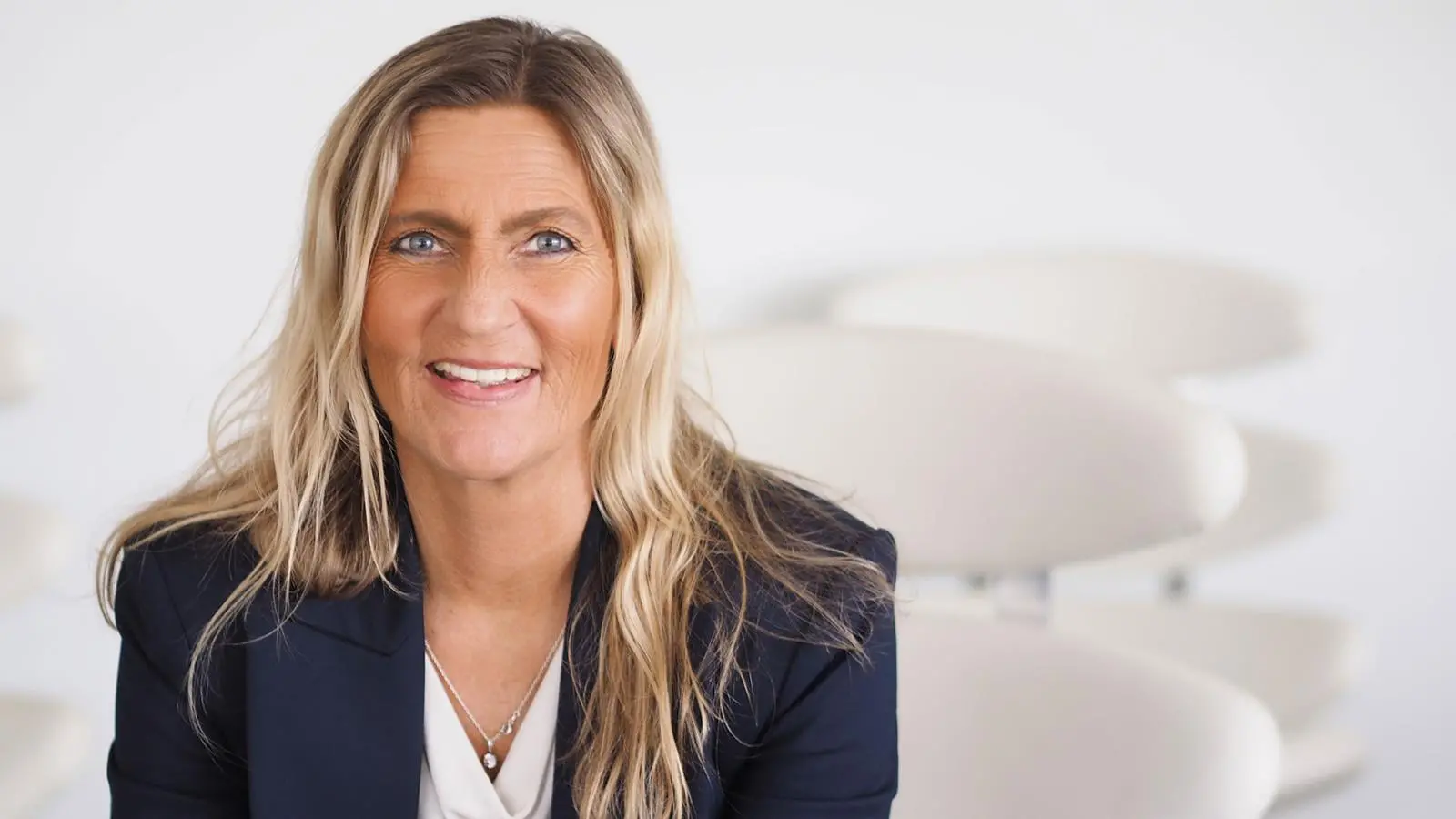
Sidsel Norvik, Director of Nor-Shipping, explained that recreating Nor-Shipping’s warm and welcoming environment was easier in June “when Oslo is at her best” after last year’s exceptional spring event.
Socialising at Aker Brygge on Oslo’s waterfront in the evening or at one of the many evening receptions is an important part of what makes Nor-Shipping special. “Everyone appreciates the opportunity to meet up with old friends, but making new friends and contacts is a very important part of the Nor-Shipping experience.”
But creating the appearance of effortlessness requires significant preparation, and Nor-Shipping is preparing to do that for over 50,000 visitors at this year’s event.
The event is expected to break the previous record for delegates and exhibitors set in 2013, with over 1,000 exhibitors expected to attend the event. Part of the increase reflects the return of exhibitors and delegates from Asia.
The increase also reflects the escalating importance of the maritime economy as part of the broader environmental transition, as well as Norway’s own role in pioneering developments in a number of areas, ranging from marine aquaculture, offshore wind generation, autonomous shipping developments through to the hydrogen sector.
Nor-Shipping is continuing to expand its series of dedicated thematic conferences looking at specific marine economy sub-sectors, adding an offshore aquaculture event and an offshore wind conference to its existing Ocean Leadership Conference, Martime Hydrogen Conference and Ship Autonomy and Sustainability events.
The offshore wind sector was likely to be boosted by Norway’s recent participation in the Ostend Declaration with EU partners and the UK, which targets over 300GW of offshore wind generation from the North Sea and Atlantic by 2050 in April.
The prominent role of Norway-based projects, such as the commissioning of the Yara Birkeland and the upcoming orders for a number of hydrogen-fuelled or hydrogen-ready vessels, such as Torghattan Nord’s passenger vessels, made Nor-Shipping a natural venue for companies to share experiences.
One of the strengths of Nor-Shipping is its ability to bring together high-level representatives from the maritime sector and from outside it, Sidsel noted. “We are seeing more and more interest in the maritime economy from sectors who might not have been traditional attendees in years gone by,” Norvik added.
These topics will also be explored in the Blue Talks series, which will look at a number of topical issues, including future fuels, carbon capture, green corridors and ship recycling.
Ocean Campus
But Nor-Shipping is not just about networking, fun and upcoming opportunities in the maritime economy. It is also meant to offer practical solutions to some of the recruitment and training challenges that are confronting the maritime sector.
“We want to meet this issue head-on; building bridges between companies, education establishments and a new breed of potential industry talent.” Norvik said.
This is the inspiration behind Ocean Campus, debuting at this year’s Nor-Shipping, taking place in Oslo and Lillestrøm between 6 and 9 June.
Ocean Campus is a dedicated island of exhibition booths showcasing some of the world’s leading maritime universities and colleges, including the World Maritime University (WMU), as well as the Norwegian University of Science and Technology (NTNU), BI Norwegian Business School, UiT Arctic University of Norway, MLA College, Oslo MET, Alba Graduate Business School and SINTEF Ocean.
The space will embody Nor-Shipping 2023’s main theme of #PartnerShip by encouraging these establishments to collaborate to support the development of a more sustainable shipping industry.
The participating schools’ representatives will form an Ocean Campus Committee, working together with industry experts to tailor a program for the main Ocean Campus day, which sees thousands of students and young people visiting Nor-Shipping to discover how they can chart a future in the ocean space.
“We need a robust talent pipeline if we’re to not only meet the demands of an industry in transition, but also capitalise on the huge commercial potential offered in sustainable ocean development,” Norvik concluded.
Related Articles
 INTERVIEWS
 CONVENTIONAL FUELS & OILS
 GENERAL NEWS