



Odfjell choses Alfa Laval’s air lubrication system
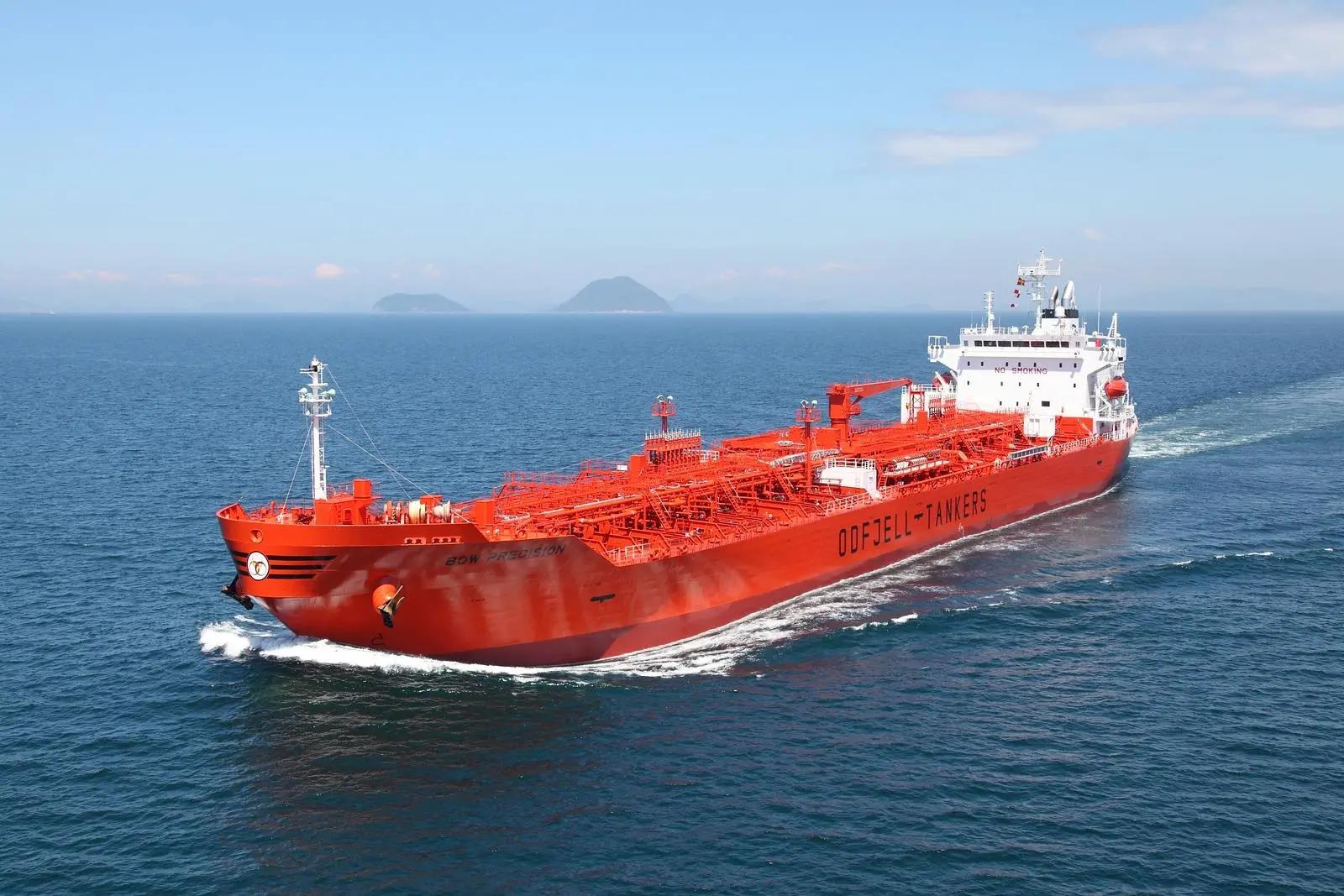
OceanGlide integrates fluidic technology into air lubrication to optimise energy saving. The class-approved system uses fluidic oscillators to generate an even layer of micro air bubbles across a vessel’s entire flat bottom, reportedly reducing friction and drag, thereby lower fuel consumption and emissions.
Odfjell has installed more than 130 energy-saving devices across its fleet since 2014. “In Q1 2023 we reported a historical low carbon intensity – more than 50% below the IMO baseline for our fleet,” said Erik Hjortland, vice president technology at Odfjell.
“Our decarbonisation efforts do not stop with this achievement – now the time has come to start deploying more enhanced technologies.
“We believe fluidic air lubrication technology is a natural next step for us, and we look forward to deploying the OceanGlide system to further reduce our carbon intensity,” he added.
Alfa Laval promotes OceanGlide’s ability to regulate power consumption through the use of oscillation bands. The independent steering of each band is said to allow a more controlled and streamlined flow of air bubbles.
“The unique configuration of bands into sections for a regulated flow of air bubbles is a distinguishing feature of the OceanGlide system,” said Hjortland.
“This set-up allows for precise control and optimisation of power consumption, and we look forward to documenting its energy-saving effect on our chemical tankers.”
The system requires no structural modifications or vessel recertification, which makes it ideal for retrofitting as well as for new builds. The fluidic bands, designed with a low profile and no moving parts, can be configured underneath the ship at any shipyard.
Air lubrication technology is recognised by the International Maritime Organization as an ‘Innovative Energy Efficiency Technology’ to lower carbon emissions. The technology supports compliance with Energy Efficiency Existing Ship Index, Energy Efficiency Design Index and Carbon Intensity Indicator requirements. The technology also minimises CO2 emissions, helping to limit CO2 tax.
Related Articles
 ENERGY SAVING DEVICES
 ENERGY SAVING DEVICES
 AMMONIA