



Malaysian Group Looks To Ammonia
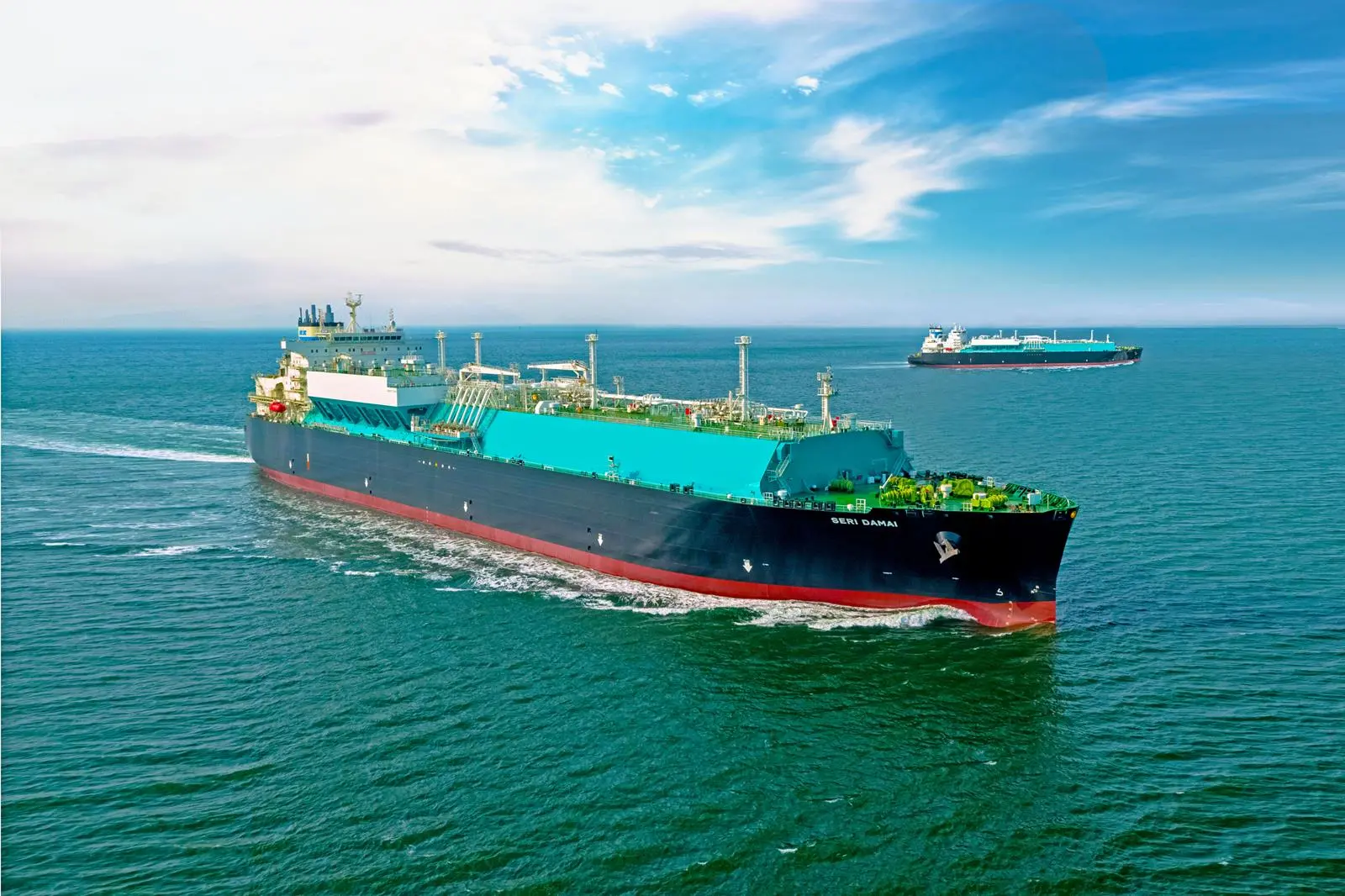
The alliances follow other industry pacts fostered by MISC as part of its long-term plan to realise decarbonisation, by identifying practical and sustainable transition pathways to zero-emission shipping.
Under the new, strategic collaborations with WinGD, a central feature relates to the training of mariners to safely manage vessels built with new technologies and ammonia-capable engines. The initiatives involve MISC’s wholly-owned, Singapore-headquartered energy logistics and tanker company AET, and maritime education institution Akademi Laut Malaysia (ALM), which is run by a MISC subsidiary, the Malaysian Maritime Academy (MMASB).
Moreover, the joint work to be conducted by ALAM and DNV will encompass various domains, including research and development (R&D) and the enhancement of current syllabuses for training maritime professionals at all levels, geared towards the practical challenges in adopting low- and zero-carbon pathways.
The tie-up with DNV is viewed as of fundamental importance, since the sharing of the industry’s best practices will facilitate upskilling or re-skilling of the current workforce for the new operating environment, and help attract new talent with the requisite competences.
WinGD director of operations Dr Rudolf Holtbecker said “The success of the energy transition in shipping will take much more than technology and fuel flexibility. The crew on board these vessels need to be equipped with the knowledge and confidence required to ensure safe and efficient operation.”
“The main engine technology will be familiar as our fuel flexible portfolio is based on our well-proven core technology. By partnering with AET and ALAM, we can establish a solid foundation of knowledge and hands-on experience for crew to confidently operate these new vessels with safety and efficiency built in,” he added.
Last September, AET inked a memorandum of understanding with energy corporation PTT of Thailand to cover the development and construction of two zero-emission Aframax tankers powered by ‘green’ ammonia. Shipyard selection has been entrusted to AET, and the project calls for the dual-fuel vessels to be delivered under long-term charters to PTT commencing in the final quarter of 2025 and first quarter of 2026, respectively.
AET had earlier entered into another MOU presaging joint work with Lloyd’s Register (LR) and Samsung Heavy Industries on a project for two zero-emission VLCCs capable of regular operation on ‘green’ ammonia. The three organisations are founding members of The Castor Initiative, a multinational coalition intent on making zero-emission shipping a reality. Besides the MISC Group, LR and shipbuilder Samsung, Castor includes MAN Energy Solutions, the Maritime & Port Authority of Singapore, Jurong Port, and Yara International.
Castor members are focusing not only on the ships and associated technology, but also on ‘green’ shipping corridors with the requisite fuel availability and bunkering facilities, and on training and education of seafarers to ensure safe and efficient operation of ammonia-fuelled crude carriers.
Related Articles
 2-STROKE & 4-STROKE
 2-STROKE & 4-STROKE
 2-STROKE & 4-STROKE