



Wide operating range demonstrated for ammonia combustion concepts
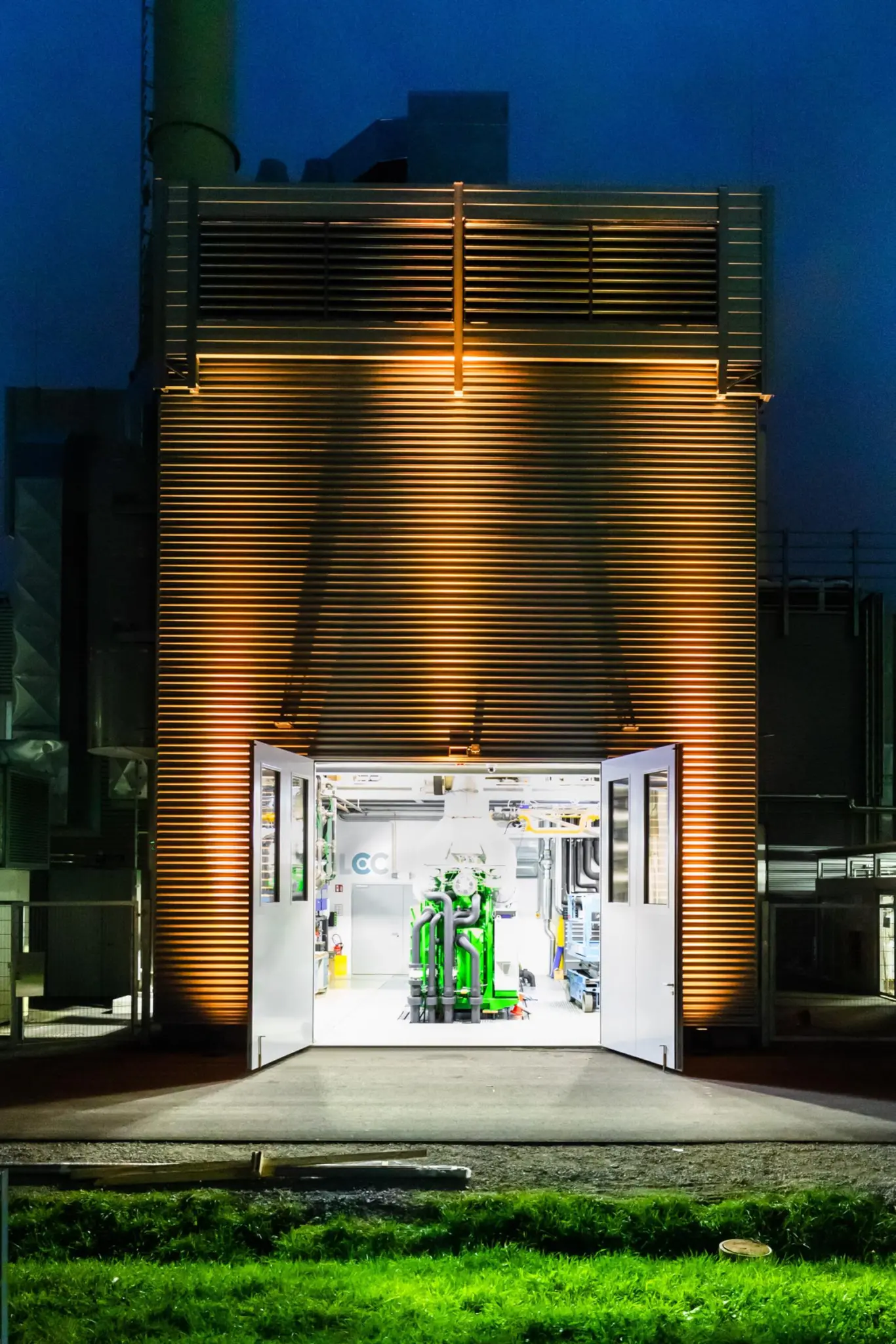
The research team evaluated ammonia substitution rates, performance and engine-out emissions as part of a broader program of tests also involving ammonia-hydrogen combustion. Tests were conducted on a high-speed 4-stroke single cylinder research engine. For the ammonia-diesel tests, a centrally mounted wide-range diesel injector was used in an open combustion chamber with early intake valve closing before bottom dead centre.
Key to the concept tests is to overcome ammonia’s low flame speed and high ignition energy needs which are challenging for existing dual-fuel engine concepts. Additionally, the risk of N2O emissions means that new exhaust gas catalyst technology may be required for SCR to be effective.
The combustion tests demonstrated a wide operating range (4-25 bar brake mean effective pressure). Diesel fractions needed to be kept at 20% or lower to achieve significant reductions of greenhouse gas emissions.
In the evaluation of ammonia -hydrogen combustion, the researchers used spark ignition and pre-combustion mixing. This research involved assessing performance and emissions at fixed engine speed at brake mean effective pressure of 25 bar. A second set of tests then involved varied engine loads with hydrogen content set at 15%.
Unlike the diesel tests, in this case the ignition delay time did not increase with lower load. Rather the combustion phasing was nearly constant. N2O emissions and ammonia slip showed little variation over the load range tested and were significantly lower than the ammonia-diesel combustion results. The researchers conclude this is likely due to the homogenous mixing of the hydrogen leading to faster and more complete ammonia combustion than could be achieved by the diesel pilot injection. Additionally, the earlier combustion phasing and resulting lower exhaust gas temperature might have reduced N2O emissions.
The researchers suggest that port fuel injection of ammonia can help reduce scavenging losses during valve overlap and reduced crevice volumes can potentially reduce both ammonia slip and N2O emission levels.
Related Articles
 AMMONIA
 AMMONIA
 AMMONIA