



Methane slip reduction potential of Wärtsilä engine solutions
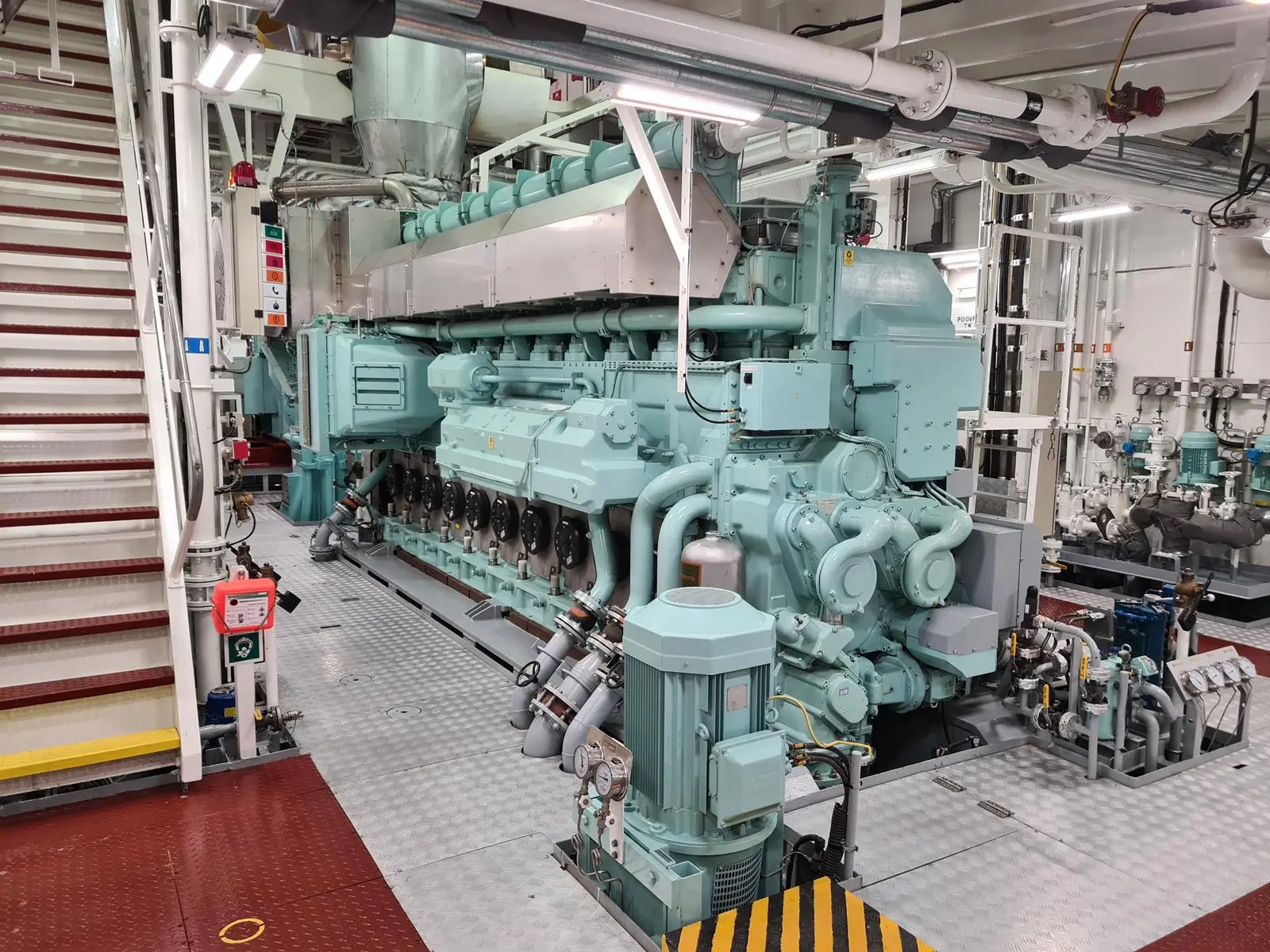
Two combustion optimisation solutions have been successfully tested onboard Furetank’s Vinga series tankers.
One of them is a Greenhouse Gas (GHG) reduction package, developed by Wärtsilä for dual fuel engines. The GHG package actively controls the engine while working in demanding conditions like manoeuvring, harsh sea conditions or varying fuel quality. This way, combustion is optimised and unburned gas emissions minimized.
The other solution is the Low Load Optimisation package, reducing the methane slip at low engine loads, for example during harbour operations like loading and unloading. This package actively balances the loading of each engine cylinder, optimising the overall total engine efficiency even at a low engine load.
Furetank notes that the tests at sea appear to confirm the laboratory results. The methane slip was reduced by 45-50%.
“These are great results, far exceeding what we had expected or technically believed. The tests show a significant impact in absolute terms. We believe many shipping companies will be interested in these solutions. And this is not the end of the road, there is more to be done,” says Göran Österdahl, sales director of marine power at Wärtsilä.
Furetank has decided to specify the functionality for the Vinga sister vessels that are currently being built at the China Merchants Jinling Shipyard in Yangzhou, and will retrofit the solutions on all the earlier ships in the series.
“This is a very successful collaboration, as Furetank has asked us for solutions and offered to perform tests in real-life conditions. We are in a phase of intense research and development on future fuels, making it invaluable for us to find test-willing partners. Our entire industry will need to establish many operator/product developer collaborations. Otherwise progress will be too slow,” says Göran Österdahl.
Related Articles
 2-STROKE & 4-STROKE
 2-STROKE & 4-STROKE
 2-STROKE & 4-STROKE