



Establishing an alternative fuels training hub
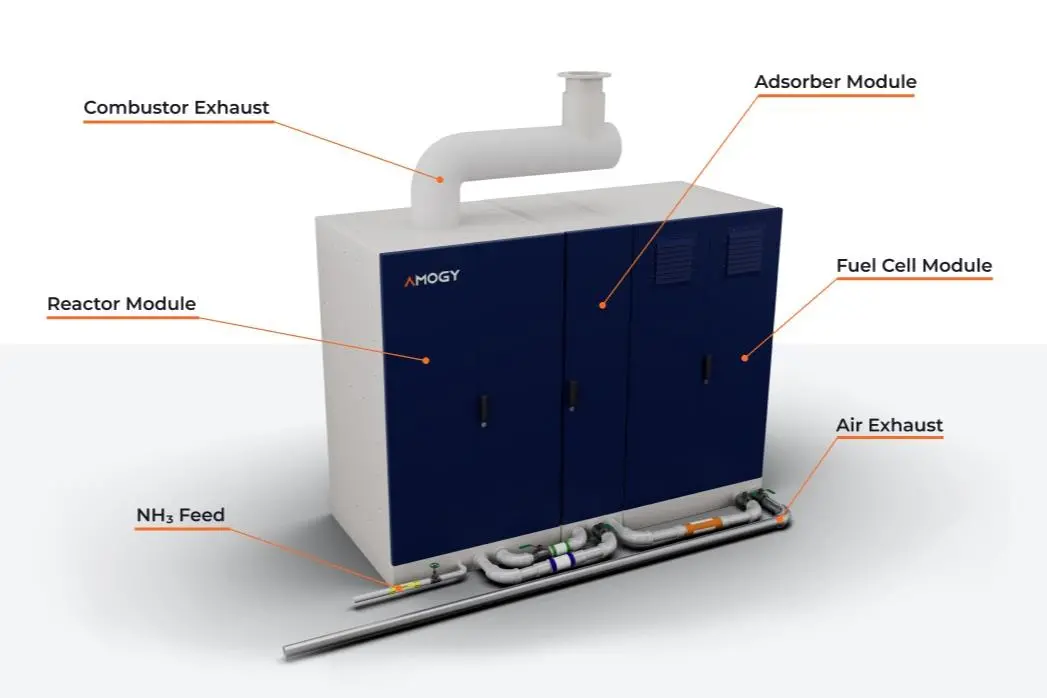
A Letter of Intent (LOI) was signed between Amogy, a provider of ammonia-to-power solutions, the MPA and 22 partners, including international organisations, engine makers, classification societies, trade associations and institutes of higher learning at Singapore Maritime Week 2024.
“We are thrilled to embark on this exciting and important project in partnership with the Maritime and Port Authority of Singapore and other esteemed collaborators,” said Seonghoon Woo, CEO at Amogy.
“This initiative showcases Singapore’s leadership in driving sustainable maritime solutions and underscores our commitment to advancing ammonia as a clean energy source for maritime shipping and equipping the global maritime workforce with the necessary skills to navigate the future of shipping.”
Training recommendation
The establishment of a training facility follows a recommendation put forth by the Tripartite Advisory Panel, formed in early 2023. This panel aims to identify emerging and future skills and competencies needed to build the maritime workforce of the future.
This METF will be a decentralised facility based in Singapore, utilising the various partners’ assets and training technologies to train global seafarers in the use, manning, and operation of vessels powered by zero or near-zero emission technologies.
With hundreds of crew changes conducted daily in Singapore, the METF’s establishment is strategically positioned to support vessel operators and ship management companies with their crew training needs as part of their crew change arrangements.
This approach is expected to result in significant time and training cost savings for the shipping community. When fully operational, the METF is anticipated to benefit around 10,000 maritime personnel, including seafarers, frow now to the 2030s.
Amogy provides carbon-free energy solutions to decarbonise hard-to-abate sectors such as maritime, power generation and heavy industry.
Its ammonia cracking technology is a mature and scalable method for splitting liquid ammonia, generating electrical power in combination with hydrogen fuel cells at five times the energy density of lithium batteries.
Related Articles
 ALTERNATIVE FUELS & LUBRICANTS
 ALTERNATIVE FUELS & LUBRICANTS
 ALTERNATIVE FUELS & LUBRICANTS