



Greening Germany’s bunkering sector
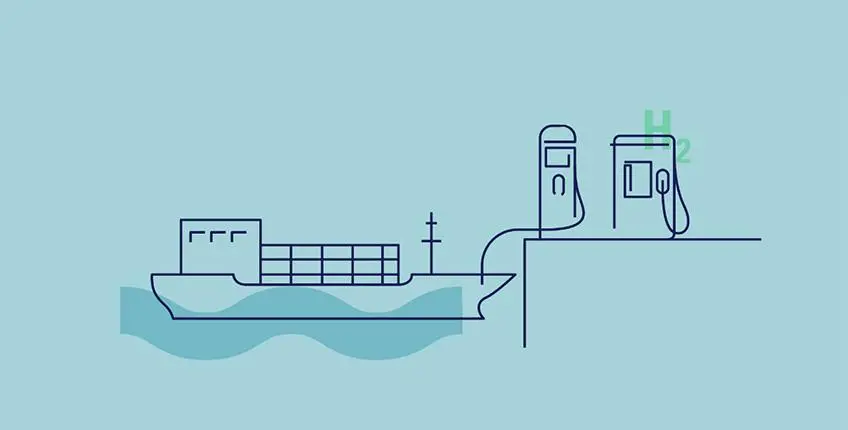
Commissioned by NOW and conducted by Ramboll, the ‘‘Refuelling infrastructure for low-carbon and renewable marine fuels in Germany’ study aims to answer questions around ships arrivals, technologies and bunker requirements in sea and inland ports.
“The pressure on the shipping industry to make its contribution towards tackling climate change is growing,” said Kurt-Christoph von Knobelsdorff, chief executive of NOW.
“The study provides guidance for the development of corresponding bunkering infrastructures in Germany. The development of a robust bunker market for climate-friendly marine fuels can become an attractive service offering for German ports in international competition.”
To support the increasing use of low and zero-carbon fuels, bunker suppliers must adapt their refuelling processes and infrastructures.
To help determine strategies to expand bunkering of renewable fuels, the study looked at:
- The status quo of port calls and bunker volumes – Bunker volumes of conventional fossil fuels used in maritime shipping in Germany have declined since 2016 whilst demand in inland shipping has remained constant since 2007.
- Development of future fuel options – Over 90% of bunker volume in 2050 is expected to be used for LNG, methanol, ammonia and hydrogen.
- Bunker volume scenarios – The study looked at the energy density of greener fuels compared with fossil fuels.
- Bunker ships and bunker facilities – The analysis shows need for new bunker ships. By 2050, 13 small, five large and four very large bunker vessels will be needed in the North Sea alone to supply the expected ship calls at German seaports, while 22 small, two medium and three large bunker vessels will be needed in the Baltic Sea.
Related Articles
 ALTERNATIVE FUELS & LUBRICANTS
 ALTERNATIVE FUELS & LUBRICANTS
 ALTERNATIVE FUELS & LUBRICANTS