



EXCLUSIVE: ABB’s holistic approach to sustainability and digitalisation
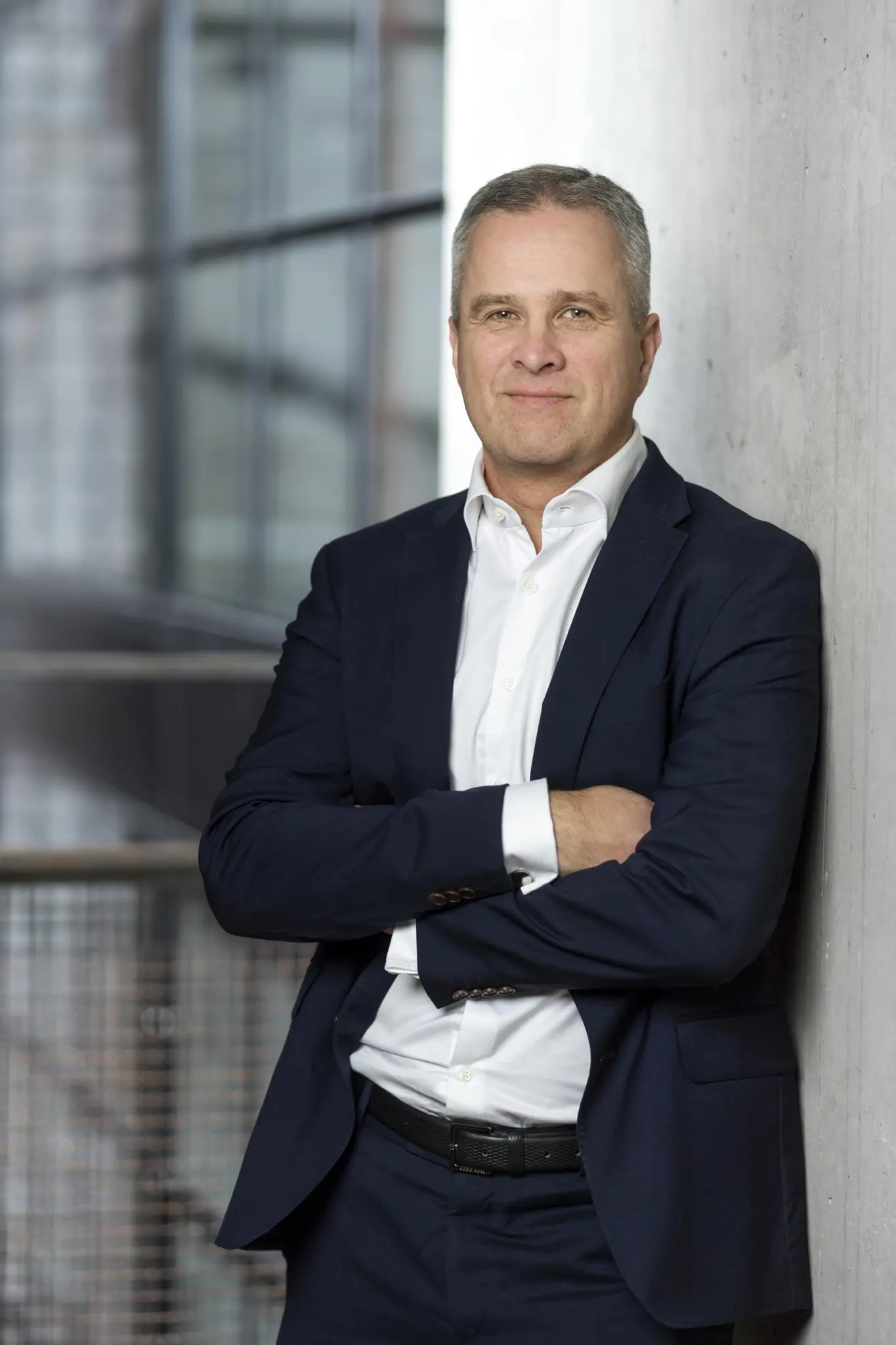
“We target to be carbon neutral in our own operations by 2030. Which means, for example, switching all of our facilities, factories, to green electricity,” Koskela states. This commitment to sustainability is part of ABB’s larger vision to reduce its carbon footprint and help the wider industry decarbonise. The company has set an ambitious target to achieve 600 megatons of CO2 savings for the 2022 to 2030 period. By driving down its own emissions and supporting customers in their decarbonisation efforts, ABB aims to make a substantial impact on global emissions.
“We see sustainability and decarbonisation as a business opportunity. We can do much more to help our customers to decarbonise,” Koskela explains. One of the ways ABB is doing this is through strategic partnerships and collaborations.
“One good example [of collaboration] is our fairly new initiative with Wallenius Marine,” Koskela says, referencing the companies’ joint effort on OVERSEA, a fleet centre as a service. This collaboration aims to help ship owners, managers, and operators reduce fuel consumption, lower emissions, cut operational costs, and enhance overall vessel reliability and safety.
“ABB brings the digital technology knowledge and Wallenius Marine brings their experience of decades of ship management.” This partnership delivers a more holistic solution for fleet operators, helping them manage and optimise their vessels more effectively.
The collaboration demonstrates the potential for partnerships in the maritime sector to drive innovation. By leveraging their respective strengths, ABB and Wallenius Marine can offer comprehensive services that address the complex challenges of modern fleet management, including the need for energy efficiency and decarbonisation.
The shift to future fuels and electrification
One of the biggest changes on the horizon for the maritime industry is the adoption of alternative fuels. “Future fuels are already known. It will be something based on Hydrogen, whether it’s Ammonia, Methanol, or some biofuel,” says Koskela. However, while these fuels are technologically feasible, there are still major hurdles to overcome. “The bigger issue of course is to have them available on a global scale. And to make them also affordable,” he adds.
The availability and cost of future fuels are tied closely to regulation. Currently, the regulatory framework for emissions reduction is fragmented, with most progress occurring at the regional level, particularly in the EU. “Regulation is still lacking a global framework. Now we need the IMO to come up with something that not only targets the short-term with measures, but also the incentives to use them [alternative fuels].” A cohesive global strategy, Koskela argues, is critical to making the widespread use of alternative fuels a reality.
In addition to alternative fuels, electrification will play a significant role in decarbonising the maritime industry. “Future fuel is one thing. But we think that there’s also electrification, which plays a role in parallel with the deployment of the new fuels,” Koskela notes. This dual approach of future fuels and electrification will be key to reducing emissions while maintaining operational efficiency. With new fuels expected to be more expensive, Koskela emphasises, “This means that energy efficiency will be even more important. And what we provide with all our solutions is energy-efficiency.”
The digitalisation of maritime operations
As the industry evolves, digitalisation is becoming an essential tool for improving both operational efficiency and sustainability. ABB has been a leader in this space, and Koskela explains how the company’s digitalisation efforts are driving transformation. “We can divide our sort of digitalisation efforts into two areas. One that is focusing on our own products providing the insights and troubleshooting related to all we have delivered, like propulsion or power systems. The second area is focusing on the vessel and voyage optimisation.”
A key part of ABB’s digital strategy is illustrated by the recent acquisition of DTN’s shipping business. This acquisition complements ABB’s existing digital solutions, such as the ABB Octopus advisory software. “We are not starting from scratch. We already have our ABB Octopus advisory software business, which has been successful and deployed across the business. We see synergies between the old and new software.” By integrating DTN’s weather routing software with its own systems, ABB is enhancing its ability to optimise vessel operations.
The development of application programming interfaces (APIs) is another area where ABB is making strides. “We are working on APIs, which means that other companies, other software providers could utilise this weather routing software,” Koskela explains. This open approach allows for broader collaboration across the industry, further enhancing the efficiency and sustainability of maritime operations.
Other large listed marine companies such as Alfa Laval and ABB spin-off Accelleron are also on the hunt for digital offerings to bolt-on and Koskela notes that many smaller companies are struggling to compete. “The market is quickly consolidating. There are still many relatively small companies that have not been able to become a competitive player in the market.” This consolidation presents both challenges and opportunities for larger players like ABB. By acquiring innovative technologies and integrating them into its broader framework, ABB can continue to lead the digitalisation of the maritime industry.
Looking to the future: retrofitting and newbuilds
As the industry prepares for the widespread adoption of future fuels and electrification, shipowners will need to invest in both retrofitting existing vessels and building new ships that are “future fuel ready.” “Shipowners will need to enable newbuilds to be [future] fuel ready and we’ll see an acceleration of retrofitting,” Koskela predicts. This shift will require significant investment, but it is essential for meeting the industry’s long-term sustainability goals.
The maritime market is at a critical juncture, facing unprecedented challenges and opportunities. Companies like ABB are leading the charge, combining sustainability with digital innovation to create a more efficient, eco-friendly future for the industry. Through strategic partnerships, advanced digital tools, and a focus on energy efficiency, ABB is helping to shape the future of maritime operations—one that balances profitability with environmental responsibility
Related Articles
 ALTERNATIVE FUELS & LUBRICANTS
 ALTERNATIVE FUELS & LUBRICANTS
 ALTERNATIVE FUELS & LUBRICANTS