



New survey looks at how seafarers view ammonia
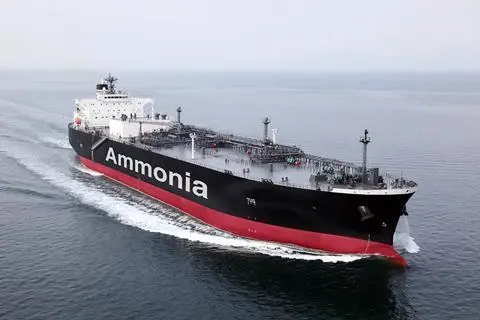
The survey, which collected responses from over 2,000 maritime professionals, highlights the industry’s willingness to embrace ammonia, despite its toxic nature and the challenges it presents. More than half of the respondents (58.6%) indicated a willingness to sail on or work with ammonia-fuelled vessels, with seafarers and ashore personnel expressing similar levels of support (59% and 57%, respectively). However, about a quarter of respondents were unsure, and 12% outright opposed working with ammonia-powered ships.
A key finding of the survey is that the maritime community’s acceptance of ammonia as a fuel is closely tied to comprehensive training and certification. Respondents stressed the need for in-depth knowledge of ammonia’s safety risks, including its toxic effects on humans, environmental impact, and emergency response protocols. Many expressed concerns about the adequacy of current safety measures, with a particular focus on the need for enhanced leak detection, firefighting procedures, and safer fuel systems.
The survey also revealed that while many seafarers understand ammonia’s risks, there is a knowledge gap in handling ammonia as a fuel. This underscores the importance of future training programs, which will need to cover not only safety procedures but also new engine operations, fuel management, and regulatory compliance.
In addition to training, respondents highlighted the importance of improving ship and fuel system designs to ensure safety when using ammonia. Many raised concerns about the readiness of regulations, noting that stringent safety standards must be in place before ammonia becomes a mainstream marine fuel. Seafarers called for safer, more reliable onboard fuel systems, emphasizing that investments in technology will be key to reducing the risks associated with ammonia.
The survey also touched on the financial implications of adopting ammonia as fuel, with some seafarers advocating for additional compensation due to the increased complexity and potential hazards of handling ammonia.
Next steps
While the survey demonstrates a strong willingness to work with ammonia-fuelled vessels, the industry must address several critical challenges to ensure a smooth transition. Comprehensive training, safer ship designs, and regulatory readiness will be essential to gaining widespread acceptance.
MMMCZCS is already taking steps to address these concerns, including projects focused on updating training standards under the STCW Code and exploring safer ship designs. The survey results will help shape future regulations and guidelines, ensuring the maritime community is fully prepared to work with ammonia as a sustainable fuel.
Ammonia is expected to become a viable marine fuel by 2025-2026, and with the right investments in safety and training, it could play a key role in helping the maritime industry achieve its ambitious decarbonisation goals.
Related Articles
 ALTERNATIVE FUELS & LUBRICANTS
 ALTERNATIVE FUELS & LUBRICANTS
 ALTERNATIVE FUELS & LUBRICANTS