



Wärtsilä’s Juha Kytölä on reducing methane slip
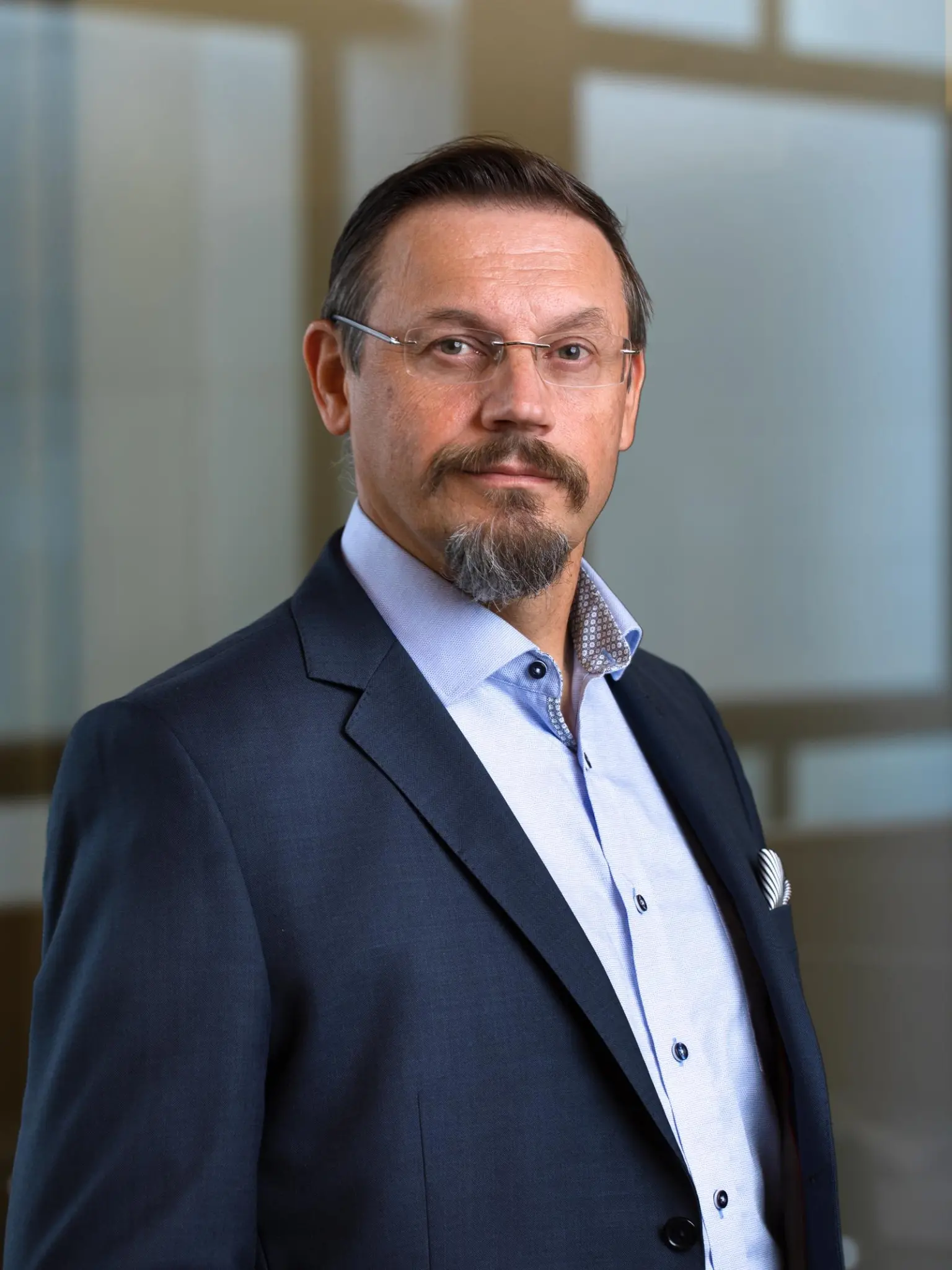
Kytölä won the Chief Technology Officer (CTO) of the Year award in 2023, a collaboration between the Technology Industries of Finland and Spinverse to honour leaders who exemplify technological excellence and strategic vision. Kytölä’s recognition highlights not only his individual expertise but also Wärtsilä’s commitment to innovation in advancing clean energy solutions.
In this Q&A, The Motorship delves into Kytölä’s insights on Wärtsilä’s NextDF technology and the development of its latest dual-fuel engine, as well as the broader trends shaping the future of maritime sustainability.
This interview has been lightly edited for clarity.
The Motorship: Wärtsilä’s new 25DF engine is the latest innovation aimed at reducing methane slip by your company. Where’s the focus on methane slip reduction coming from?
Juha Kytölä: “The focus on methane slip comes from all segments in the shipping market. All look very seriously at the environmental implications. The drive also comes from legislative development, for example the EU and IMO. Regulations like those are pushing engine manufacturers to innovate, and for good reason—methane is a potent greenhouse gas that has a much higher global warming potential than CO₂, so reducing it makes a real impact.
TMS: Are there any other reasons why ship owners would want to target methane slip?
JK: Methane slip is bad for the environment but also for the operating expenditure of a ship (Opex). Why would you put fuel into an engine which is not utilised when you’ve paid for that fuel?
TMS: Can catalytic converters be used to address methane slip?
JK: “Typically on the catalyst side, before CO2 became a focus, there was a lot of attention on nitrogen oxides. Catalysts were brought into the engines in order to neutralise the NOx because NOx provides what we call a local emission. Catalytic technology has progressed since then, and now there are efforts to adapt it for total hydrocarbons, including methane. However, methane is a challenging substance to neutralise with catalytic converters, and as of now, there are no commercial solutions in the market yet for methane catalytic converters. It’s a work in progress but we are conducting research and there are some other players in the market also doing the same. We are involved in EU consortiums where we are doing research on this and conducting practical tests onboard.”
TMS: How has Wärtsilä approached methane slip reduction without using catalytic converters?
JK: “So far the biggest success Wärtsilä has had with reducing methane emissions has really been on combustion efficiency by making sure that we are utilising all the fuel in the engine. This means we’re advancing combustion technology to burn fuel as fully as possible. With our NextDF technology, we can now achieve low methane emissions across the engine’s full range.”
TMS: Can you explain a bit more about how the NextDF technology maintains low methane emissions at various loads?
JS: “We’ve been developing the technology so that the combustion efficiency has been brought on low and partial loads. This means that we distribute the fuel well in the combustion chamber and we concentrate it into the place where the combustion really takes place. This is so we avoid the fuel being on the periphery in the cylinders. This optimized fuel distribution means that each cylinder fires completely, which drastically reduces the chance of unburned methane escaping. We’re able to achieve this without techniques like skip firing, where only some cylinders are igniting. With our new NextDF technology we don’t need that. We get efficient concentration on each cylinder, so we can run smoothly with all the cylinders.”
TMS: With the regulatory environment focusing on overall greenhouse gas impact, how do you see this methane reduction aligning with upcoming standards?
JS: “There starts to be a requirement that methane emissions are also counted as a part of the total CO₂ equivalent impact, or the greenhouse gas impact. Under FuelEU Maritime regulations, for example, there’s an expected limitation, of around three percentage of the fuel which is coming out as a format of methane emissions. An engine builder that can demonstrate lower emissions – for example, our NextDF technology can bring methane slip down as low as 1.1 percent in a wide load range – can support operators with reducing the environmental impact of a ship, or multiple ships. This could even provide a commercial benefit with the regulation allowing vessels to capture value from overcompliance through banking or pooling compliance surplus between reporting periods.”
TMS: How does liquefied natural gas (LNG) factor into the future of shipping fuels in your view?
JK: “It’s an absolutely good measure to move away from liquid fossil fuels because those contain a lot of carbon. LNG has a higher hydrogen-to-carbon ratio compared to liquid fossil fuels, meaning it produces fewer carbon emissions. For the goal of net zero emissions, LNG is an excellent starting point, but the development does not stop there. Ship engines that use LNG can later transition to biofuels, such as biogas, without needing major retrofits. That’s because the same engines initially installed can easily help the ship start to decarbonize by bunkering as a part of the fuel or fully biofuel, which is biogas. Because of this flexibility, the same equipment can then be used for bio based gas, liquified or even synthetic fuel in the future. So no additional investment needed there.
It’s a step to the right direction and will definitely support the transition to net zero.”
Related Articles
 INTERVIEWS
 CONVENTIONAL FUELS & OILS
 GENERAL NEWS