



MERC urges efficiency for GHG reduction
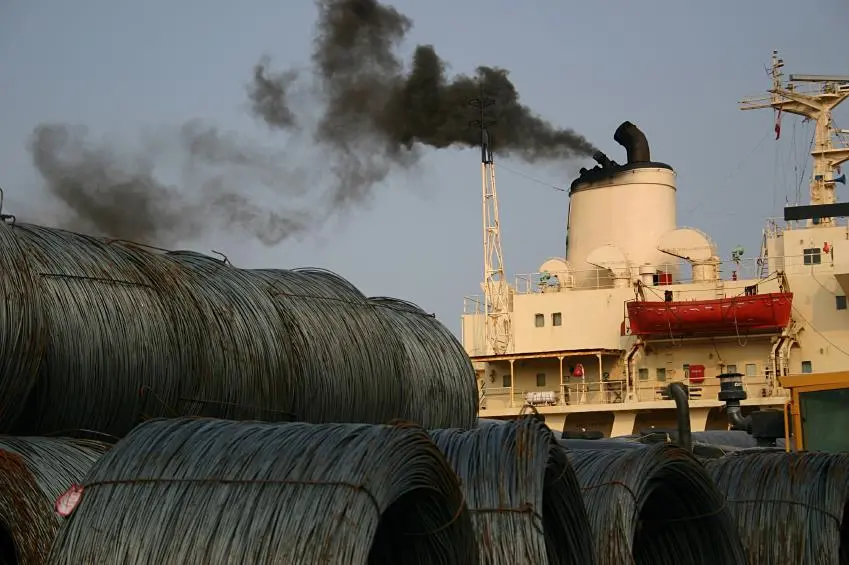
The publication, ‘IMO Mid-Term GHG Reduction Measures as a Driver for Efficiency’ outlines how efficiency improvements can reduce the need for alternative low-GHG fuels, lowering the overall cost of the energy transition.
Set to be approved in April 2025 and enforced by 2027, the IMO’s mid-term measures introduce a GHG pricing mechanism and a fuel standard aimed at progressively reducing marine fuel’s GHG intensity.
However, most new low-carbon fuels are incompatible with existing vessels and the maritime industry will compete with other sectors for available fuels, says MERC. As a result, improving efficiency within the current fleet is crucial for reducing GHG emissions while supporting global trade.
“While alternative fuels will play a vital role in shipping’s decarbonisation journey, efficiency improvements will be critical for the existing fleet,” said Stelios Korkodilos, director of the MERC.
“Most new low-carbon fuels aren’t suitable for existing vessels, and the maritime sector will compete with aviation and road transport for limited supplies of drop-in alternatives.”
MERC, a non-profit established by Lloyd’s Register’s Maritime Decarbonisation Hub and five Greek shipowners, focuses on addressing the immediate decarbonisation challenges of the existing fleet.
Through applied research and innovation, MERC aims to overcome barriers and promote the uptake of efficiency-enhancing technologies and solutions.
Related Articles
 ALTERNATIVE FUELS & LUBRICANTS
 ALTERNATIVE FUELS & LUBRICANTS
 ALTERNATIVE FUELS & LUBRICANTS