



Alternative fuel retrofits face challenges
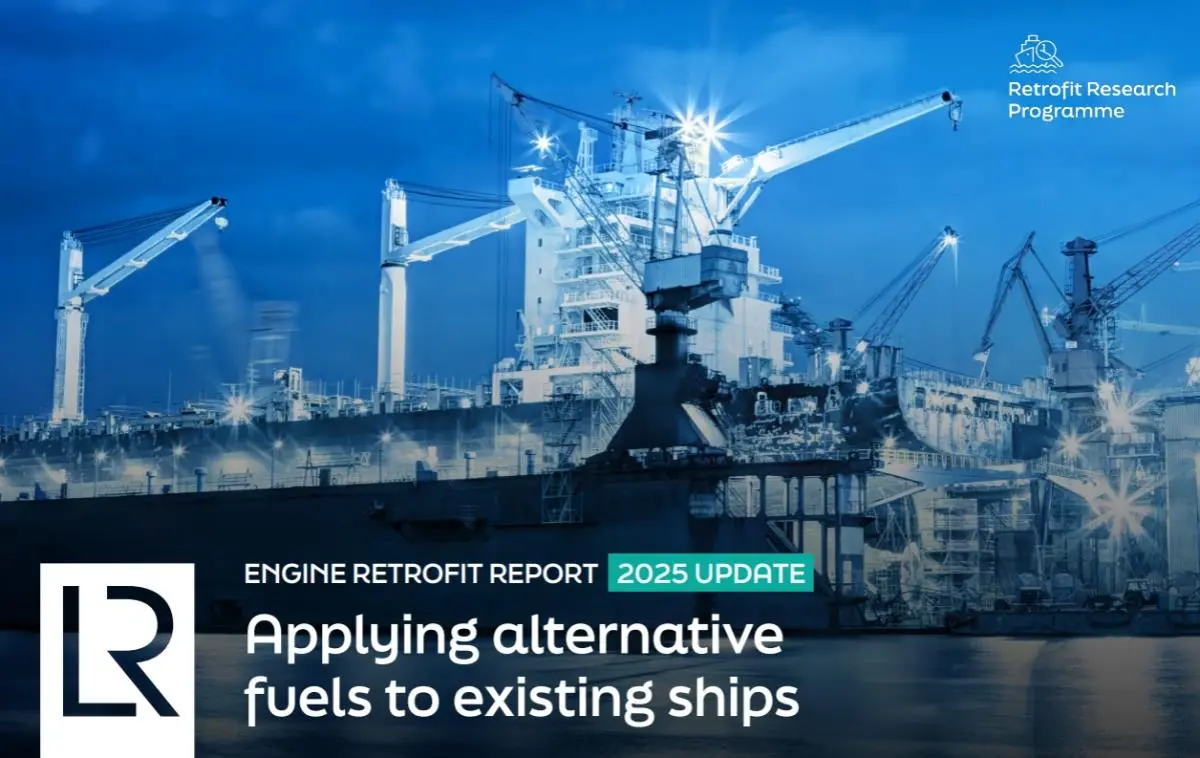
Since the publication of LR’s initial report in 2023, the industry has witnessed the successful completion of the first methanol fuel conversions since 2015 and an expanding number of shipyards with retrofit capabilities. The 2025 update warns of challenges ahead.
“The technology and shipyard capacity to retrofit vessels is improving, but without decisive action to scale up alternative fuel supply chains, shipowners will face increasing compliance costs and operational uncertainty,” said Claudene Sharp-Patel, LR’s global technical director.
While regulatory frameworks, like the EU’s FuelEU Maritime and Emissions Trading System, are pushing for lower carbon emissions, the demand for alternative fuels remains low and the absence of sufficient incentives for fuel producers continues to hinder progress.
“We need greater regulatory clarity and investment to bridge the gap between ambition and action,” said Sharp-Patel.
A surprising trend in 2024 was the resurgence of LNG retrofits as shipowners looked for immediate carbon reductions to meet regulatory requirements. More than 305 LNG-fuelled ships were ordered last year, surpassing methanol and ammonia alternatives.
However, while LNG provides a short-term solution for compliance, the report highlights the need for more substantial emissions reductions in the long run. Challenges such as methane emissions and the limited availability of bio- and e-LNG persist.
The report also emphasises the importance of improving supply chain readiness, as lead times for retrofit projects could exceed 18 months without better coordination among engine manufacturers, fuel system suppliers and shipyards.
Additionally, the report notes that current retrofit capacity of approximately 465 vessel conversions annually is far below the projected need for over 1,000 conversions per year.
Related Articles
 ALTERNATIVE FUELS & LUBRICANTS
 ALTERNATIVE FUELS & LUBRICANTS
 ALTERNATIVE FUELS & LUBRICANTS