



LR Decarb Hub’s guidance on crew safety with ammonia
However, its adoption comes with new safety considerations, especially for crews who have never encountered ammonia onboard. The Lloyd’s Register (LR) Decarbonisation Hub, through a multi-stakeholder effort, is stepping in with structured guidance to bridge the knowledge gap.
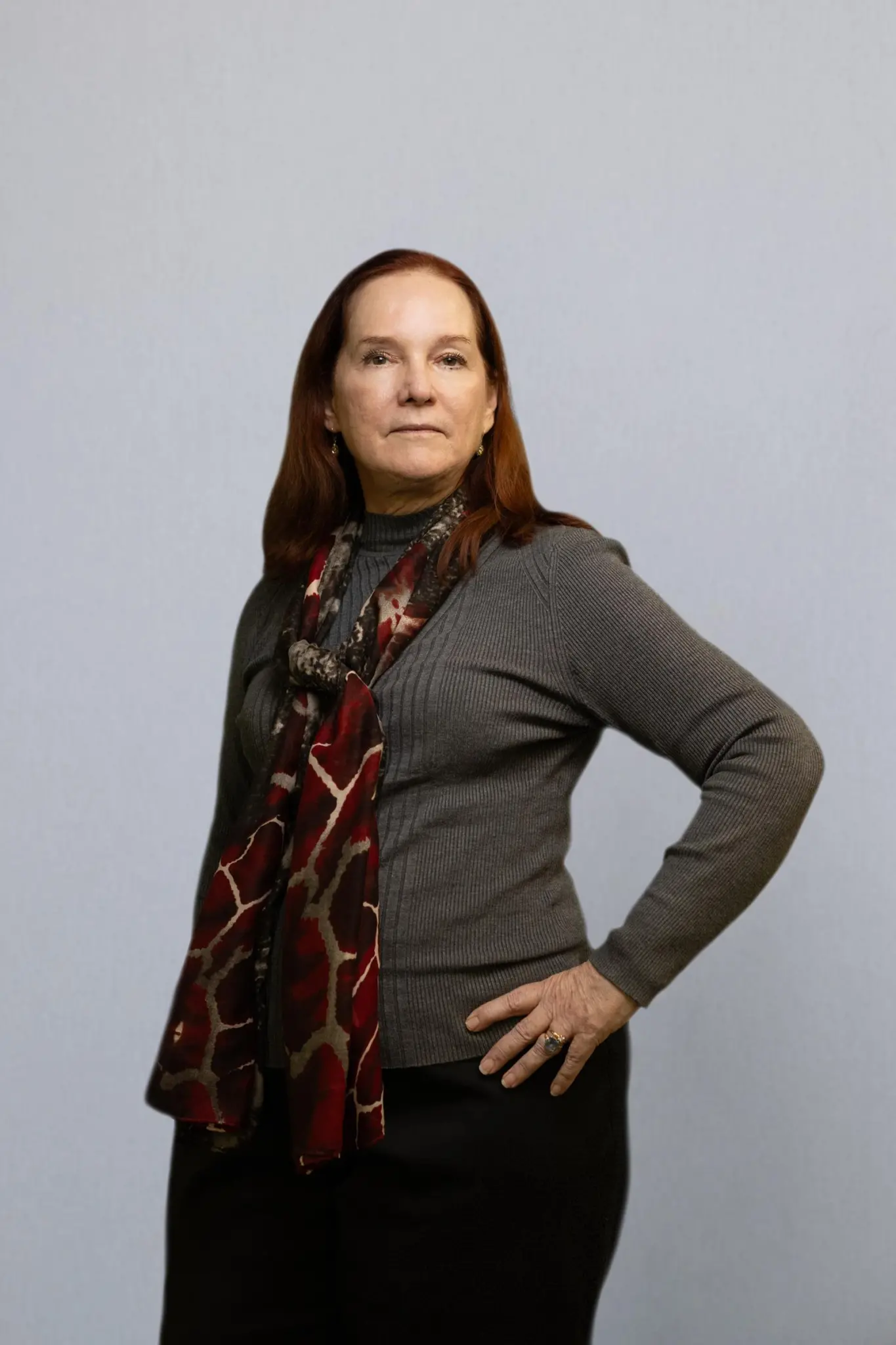
Ammonia is not a newcomer to the marine sector. It has been safely transported as cargo on chemical tankers for decades. “The industry already has experience with carrying ammonia as a cargo,” said Denise McCafferty (pictured) of LR Decarb Hub. “So those people that work on those tanker ships…already have some training.” But carrying ammonia as cargo is not the same as using it as fuel, particularly as new vessel types—like bulk carriers and container ships—enter the fray.
That shift raises complex safety challenges. “Now that it’s going to be used as fuel, you’ll have ships that have never carried ammonia before needing to manage it onboard,” McCafferty said. That’s where the Decarb Hub’s recent guidance comes in.
LR Decarb Hub has developed a three-document framework to support the transition. The first document establishes the state of the industry today, their thoughts on ammonia and the needed changes to use ammonia as fuel tomorrow. It addresses the various players in the value chain and how the project findings can help to allay their concerns. The second documents address minimum competency standards, rooted in the existing International Code of Safety for Ships using Gases or other Low-flashpoint Fuels (IGF Code). It helps establish baseline training and certification requirements.
The third document, however, goes a step further. Known internally as the “Scenarios” report, it explores beyond standard training into emergency response, design implications, and real-world operational scenarios. “It goes through all—there’s pages and pages—on emergency response,” McCafferty said. “If ammonia does become a fire, you treat it differently.” This includes considerations like tank placement (often on deck for bulkers and tankers), fire hazards from leaks or dropped objects, and different firefighting approaches due to ammonia’s low flammability.
The guidance is the result of a consortium led by the Maersk Mc-Kinney Møller Center for Zero Carbon Shipping, with LR Decarb Hub acting as technical lead. Contributors span across the supply chain, from manufacturers like CF Industries to training organisations such as the Ammonia Safety and Training Institute (ASTI). “They helped us quite a bit,” McCafferty noted, especially with emergency protocols and firefighting expertise.
Crucially, the effort recognises the importance of both shipboard and shore-side readiness. “It’s not just the ship that has to know about this,” McCafferty emphasised. “Even the crane operator has to know what to do if there’s a leak.”
A fuel of the future?
Despite concerns over production costs—some estimates as high as €8,000 per ton—many in the industry, including the International Energy Agency, see ammonia as a key fuel for 2050 and beyond. “The industry is anticipating the use of ammonia as a fuel,” McCafferty affirmed, though she emphasised that its environmental impact depends on how it’s produced. Only green ammonia—made using renewable energy—fully delivers on the promise of reduced emissions.
Still, regardless of colour, the shift is underway, and LR Decarb Hub’s guidance aims to ensure it happens safely and responsibly.
Related Articles
 AMMONIA
 AMMONIA
 AMMONIA