



World’s first floating NH3-to-H2 cracker launches
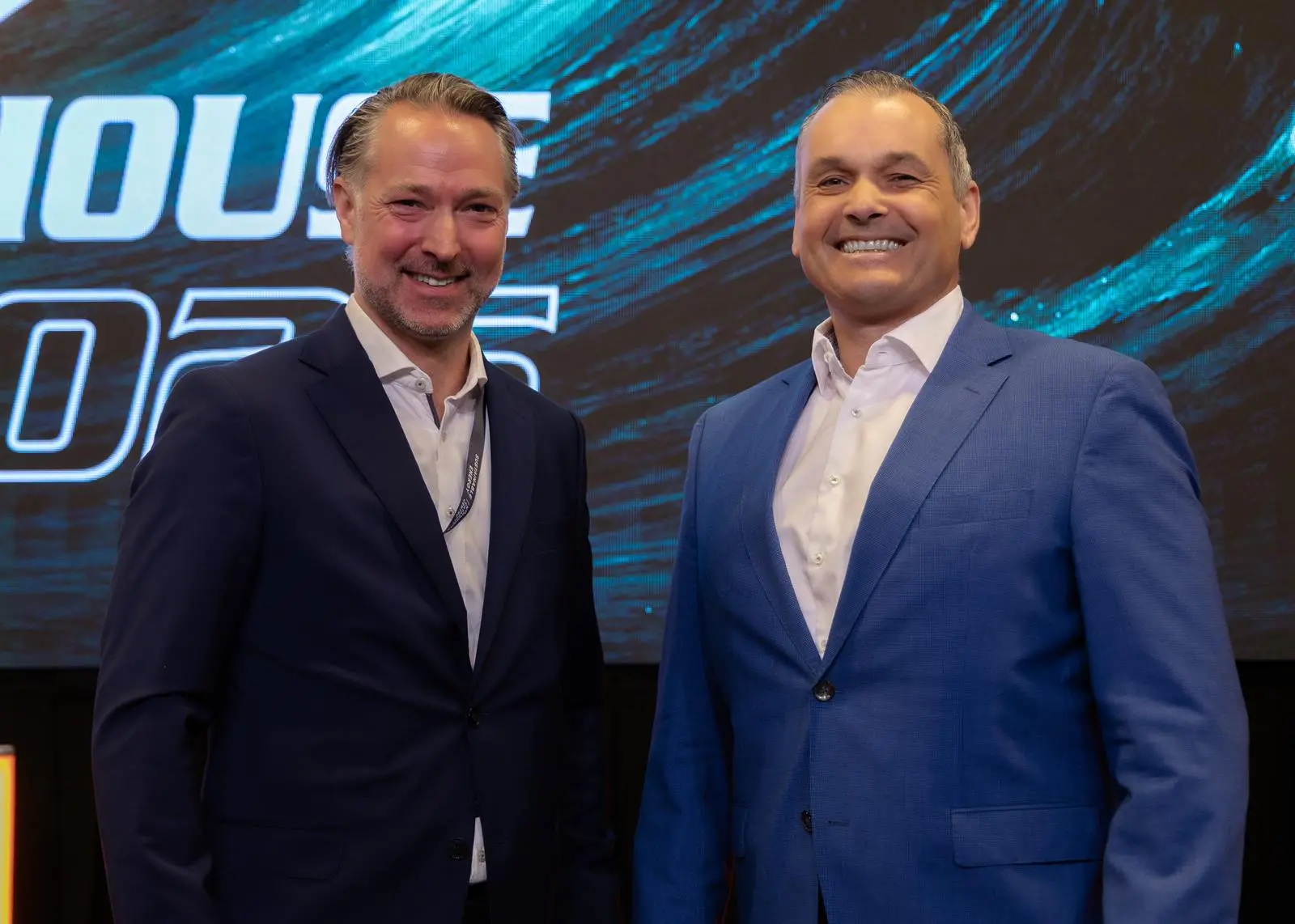
The project, part of Norway’s Green Platform programme, represents a significant milestone in global efforts to enable industrial-scale hydrogen production and accelerate the energy transition.
“This pioneering development of the floating ammonia-to-hydrogen cracker represents a significant leap forward in our quest for sustainable energy solutions,” said Kjell Ove Ulstein, sales & marketing director, Wärtsilä Gas Solutions.
“Together with Höegh Evi and our partners, we are not only addressing the challenges of hydrogen storage and transportation but also paving the way for a more resilient and flexible energy infrastructure.”
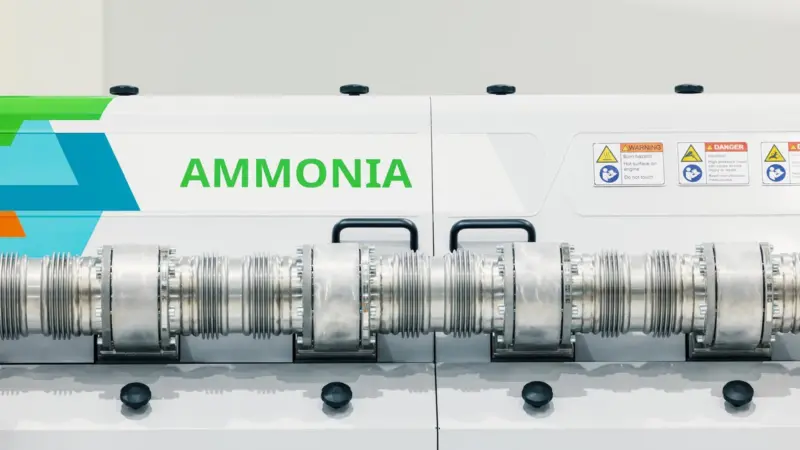
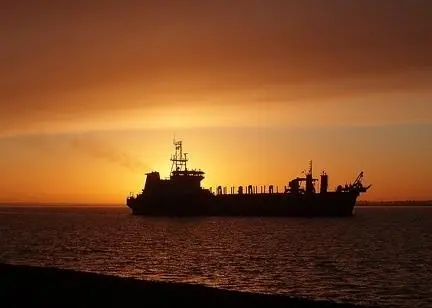
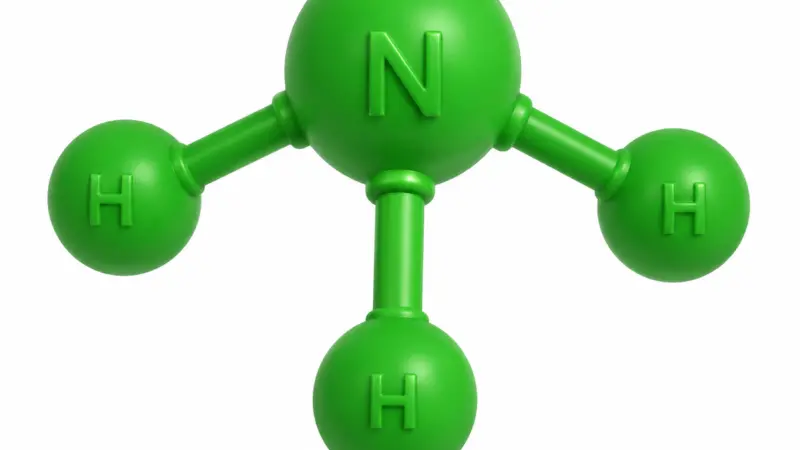
Announced in April 2023, the new technology enables floating terminals to convert transported ammonia into hydrogen, addressing one of the key challenges in hydrogen adoption – its storage and transport. Ammonia, easier to handle and ship than hydrogen, is converted back to hydrogen at the destination for grid integration.
With a modular and scalable design, the cracker can be installed on hybrid floating storage and regasification units or on dedicated floating hydrogen terminals. It offers a send-out capacity of up to 210,000 tonnes of hydrogen annually, with ammonia storage ranging from 10,000m³ to 120,000m³.
“Our floating terminals and cracking technology can unlock the full potential of global value chains for green hydrogen, providing European industry with a reliable supply of clean energy within this decade,” said Erik Nyheim, chief executive of Höegh Evi.
Constructed at Sustainable Energy’s Norwegian Catapult Center in Stord, the project has received €5.9 million in government funding. Partners include IFE, the University of South-East Norway, Sustainable Energy and BASF SE.
Related Articles
 AMMONIA
 AMMONIA
 AMMONIA