



Closed-loop cleaning key to compliance
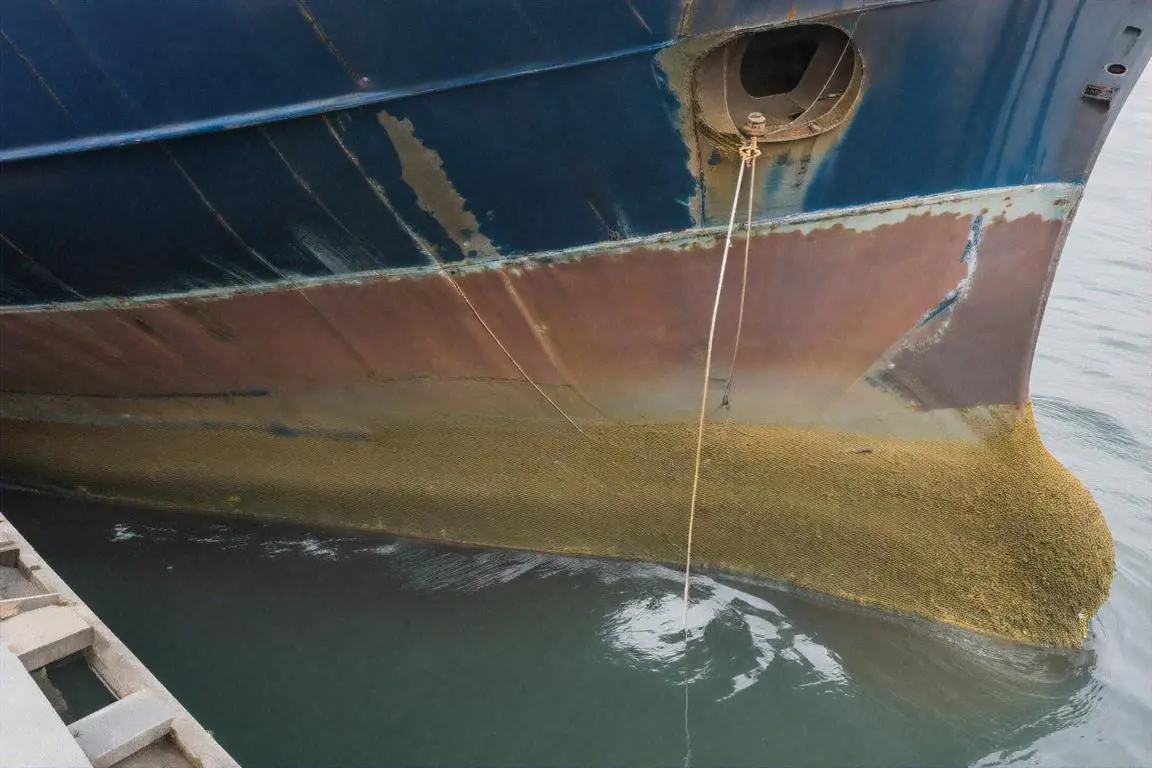
Invasive organisms like Didemnum vexillum – nicknamed ‘sea vomit’ – demonstrate the significant ecological damage caused by unmanaged biofouling.
Unlike ballast water, hull biofouling remains largely unregulated, despite its impacts on vessel efficiency, fuel consumption and marine biodiversity. In-water hull cleaning can worsen pollution by releasing toxic substances and microplastics from antifouling coatings. It is estimated that marine coatings release over 210,000 tonnes of microplastics annually in the EU alone.
Traditional cleaning methods further increase this risk, releasing pollutants and invasive species into local waters, putting ports and ecosystems at risk. Ports like those in New Zealand have already imposed strict biofouling controls, causing costly delays and disruptions for non-compliant vessels.
Momentum is now building for global regulation. A proposal led by Norway and supported by several countries has been accepted by the IMO’s Marine Environment Protection Committee, launching the process toward a binding global instrument for biofouling management.
Closed-loop hull cleaning, which captures and disposes of biological waste safely on land, is emerging as the best practice. It prevents contamination, supports regulatory compliance and enhances vessel performance by reducing drag and emissions.
ECOsubsea’s closed-loop solution has demonstrated rapid return on investment and environmental benefits, particularly as decarbonisation goals tighten. With the IMO now moving toward global standards, the shipping industry is being urged to act proactively.
Related Articles
 ENERGY SAVING DEVICES
 ENERGY SAVING DEVICES
 AMMONIA