



Beldam Crossley achieves certification for hatch seal
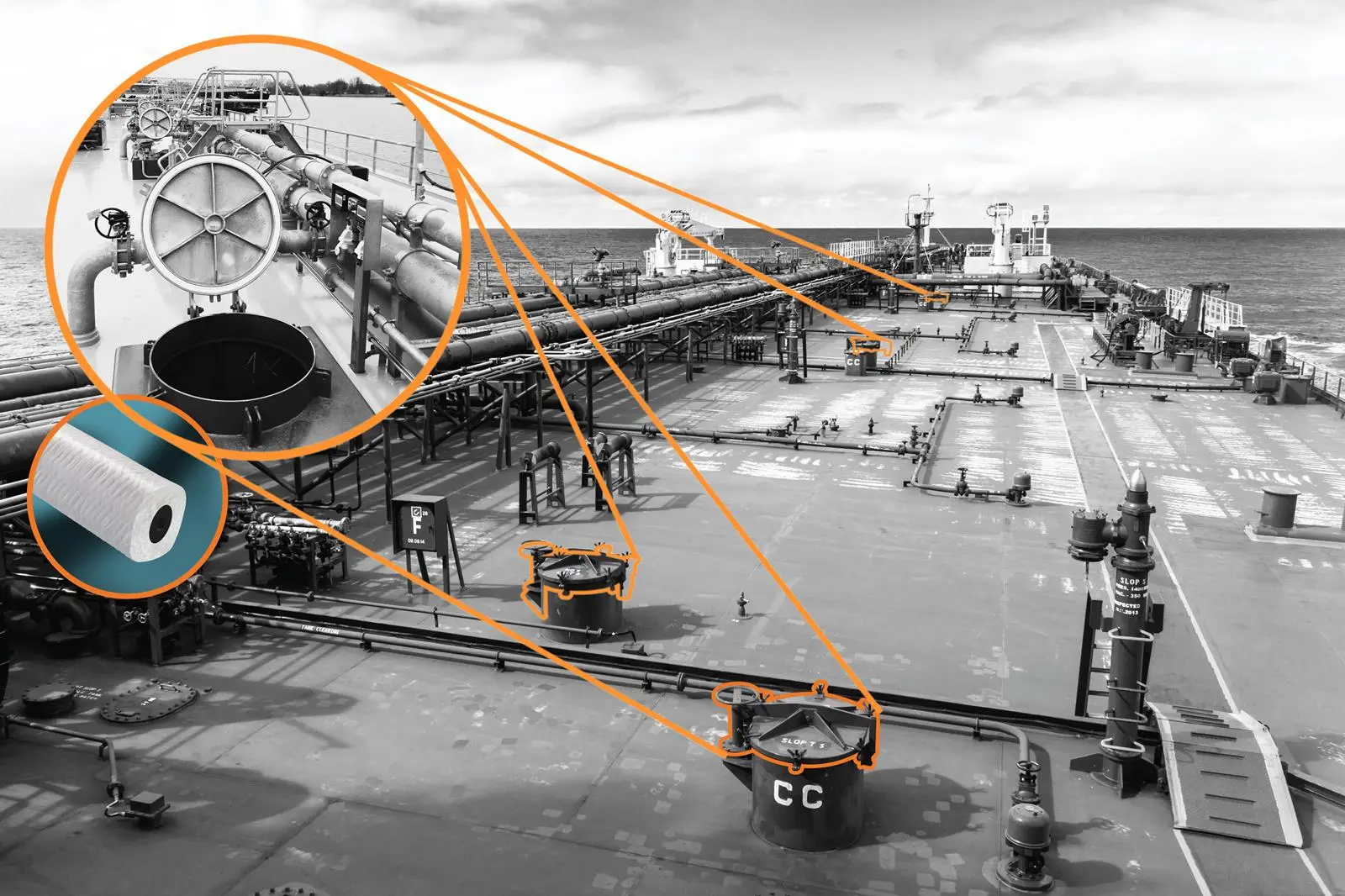
The Lidpack® 3801L is engineered for demanding marine environments, offering robust sealing performance for vessels carrying hazardous cargoes such as methanol, benzene, and crude oil. As the global fleet of chemical tankers exceeds 40,000 vessels, the demand for leak-free, chemically resistant sealing solutions has intensified.
Certified by DNV, Lloyd’s Register, and the United States Coast Guard, the Lidpack® range – which includes both the 3800 and 3801L variants – features a multi-layered structure. This includes an elastomeric core, Polypropylene cushioning, spirally wrapped PTFE tape for enhanced chemical resistance, and braided PTFE yarn to provide strength and abrasion resistance. Outer layers of unsintered PTFE ensure complete impermeability, resulting in a seal that has demonstrated zero leakage in operational use.
The hatch seal’s performance has led to widespread adoption across the Turkish shipping sector, with major operators in Istanbul reportedly switching to Beldam Crossley products within 18 months. The decision to adopt the Lidpack® range is driven by regulatory compliance concerns and the desire to avoid costly consequences of failed pressure tests, including port delays and fines that can be extremely expensive.
“Leaks not only endanger marine ecosystems and crew, but also lead to significant financial penalties. A failed pressure test can result in fines of up to 10% of the cargo value, not to mention costly delays,” said Lee O’Connor, marine sales executive at Beldam Crossley.
So far in 2024, the company has reportedly resolved hatch sealing issues across six international fleets, and continues to offer retrofit services to ensure vessels maintain compliance with tightening environmental and safety regulations.
In addition to mitigating leakage of hazardous substances, the seal also prevents ingress of sea and rainwater into cargo holds, a persistent issue for operators seeking to avoid cargo contamination.
Related Articles
 PROPULSION
 GENERAL NEWS
 HYDROGEN